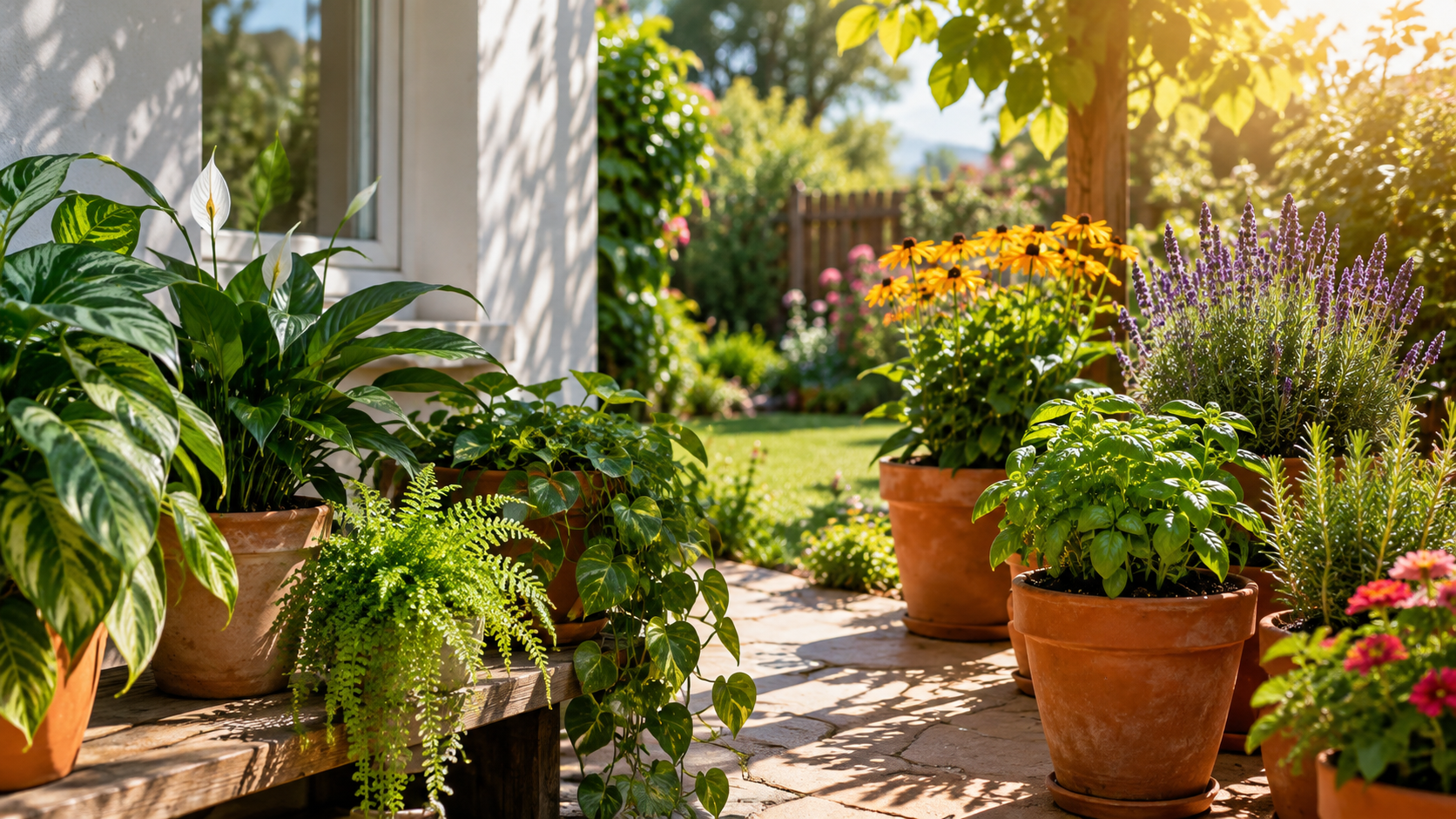
Choosing the right place for a plant can make the difference between healthy growth and a plant that struggles with yellowing leaves, weak stems, or scorched foliage. A balcony that receives gentle morning sunshine may be perfect for one species, while a hot afternoon patio may suit another much better.
The key is understanding that morning and afternoon sunlight differ in intensity, temperature, and the amount of moisture plants lose throughout the day. However, neither option is automatically best for every plant. The ideal location depends on the species, your local climate, the season, and how much direct sunlight the area receives.
In this guide, you will learn how to identify the best location for your plants, recognize signs of excessive or insufficient light, and make practical adjustments to improve your garden.
What Is the Difference Between Morning and Afternoon Sun?
Morning sunlight generally arrives when the air and surrounding surfaces are cooler. Afternoon sunlight, particularly during the hottest part of the day, often combines stronger heating with increased evaporation from soil and containers.
These differences matter because plants need light for photosynthesis, the process through which they produce sugars for growth. Yet excessive heat and water loss can stress plants that are not adapted to intense exposure. The Royal Horticultural Society explains that light intensity, season, and garden orientation all influence plant growth.
RHS Advice
+1
Morning sunlight: gentler conditions for many plants
Morning sun is especially useful for plants that benefit from direct light but struggle with intense afternoon heat. An east-facing window, balcony, or garden bed commonly receives sunshine early in the day and becomes shaded later.
Potential advantages include:
- Lower temperatures during the first hours of sunlight.
- Less intense heating of pots and surrounding surfaces.
- Reduced risk of heat stress for some plants that prefer partial shade.
- A useful balance of direct sunlight and afternoon protection.
However, morning sun is not necessarily sufficient for every species. Vegetables grown for fruit, sun-loving flowers, and many herbs may require longer periods of direct light than a short morning exposure provides.
Afternoon sunlight: useful for sun-loving plants
Afternoon sun can be valuable when a plant needs abundant light to flower, develop fruit, or maintain compact growth. West-facing gardens and windows often receive direct sunlight later in the day.
Nevertheless, these locations may become particularly hot in warm climates. Walls, concrete, paving, and glass can absorb or reflect heat, creating conditions that are more stressful than the sunlight alone would suggest.
Afternoon exposure is often suitable for established sun-loving plants, but sensitive foliage may need protection during heat waves. Plants growing in small pots are especially vulnerable because their growing medium can dry out quickly.
Which Plants Prefer Morning Sun?
The best candidates are generally plants that appreciate bright conditions but benefit from protection against intense heat. Their exact needs vary by species and variety, so use the following examples as starting points rather than universal rules.
Ferns and other shade-adapted foliage plants
Many ferns grow best in bright, indirect light or partial shade. Some tolerate gentle morning sunshine, especially when their growing medium remains appropriately moist, but prolonged exposure to hot direct sunlight can damage delicate fronds.
Look for a bright spot that receives limited early sun and remains protected during the hottest hours. Avoid assuming that every fern has identical requirements.
Peace lilies and similar indoor plants
Peace lilies usually prefer bright, indirect light rather than prolonged direct sunshine. A room with an east-facing window can provide useful natural light, but the plant may still need to sit slightly away from the glass if direct rays reach its leaves.
Other tropical foliage plants can have similar preferences, although their individual needs differ. Before moving a houseplant into direct sunlight, check its species requirements.
Lettuce and other leafy vegetables
Lettuce, spinach, and several other leafy crops can tolerate some light shade. In hot weather, morning sunlight followed by afternoon shade may help reduce heat stress and premature bolting in suitable varieties.
These crops still need enough light to grow well. A location that receives almost no direct sunlight may produce weak growth, even if the leaves appear protected from heat.
Plants with delicate or shade-adapted foliage
Plants grown primarily for decorative leaves often need less direct sunlight than species selected for abundant flowering or fruit production. Some tolerate gentle morning sun, while others grow best with filtered light throughout the day.
Observe the plant’s natural requirements rather than relying exclusively on the appearance of its leaves.
Which Plants Can Benefit From Afternoon Sun?
Plants adapted to sunny conditions may perform well in afternoon sunlight, provided that temperatures, watering, and soil conditions remain suitable.
Tomatoes, peppers, and fruiting vegetables
Tomatoes and peppers generally benefit from abundant sunlight. A sunny position can support flowering and fruit development, although extreme heat may interfere with pollination and fruit set in some varieties.
In hot climates, a location with morning sun and some protection from intense afternoon heat may be more suitable than an exposed west-facing patio. If growing vegetables in containers, monitor soil moisture closely and ensure that excess water can drain freely.
Rosemary and other sun-loving herbs
Rosemary generally prefers a sunny location and well-drained soil. It can be a good choice for a warm, bright balcony or garden bed, provided the roots do not remain waterlogged.
Basil also benefits from good light and warmth, but its tolerance of intense afternoon exposure depends on the climate, variety, and water availability. In very hot conditions, partial afternoon shade may help prevent stress.
Lavender and many sun-loving flowers
Lavender typically thrives in sunny locations with excellent drainage. Insufficient sunlight can contribute to weak growth and reduced flowering.
Many flowering annuals also perform best with several hours of direct sunshine. However, not all flowering plants tolerate intense heat equally well, so check the recommended growing conditions before choosing a location.
How Many Hours of Sunlight Does a Plant Need?
Instead of asking only whether a location receives morning or afternoon sun, consider the total amount of direct sunlight the plant receives.
The Royal Horticultural Society uses the following general categories for garden light conditions at midsummer.
RHS Advice
+1
| Light category | Approximate direct sunlight | Typical considerations |
|---|---|---|
| Full sun | More than 6 hours | Suitable for many sun-loving plants |
| Partial shade | Around 3–6 hours | Useful for plants that tolerate mixed sun and shade |
| Moderate shade | Around 2–3 hours | Better for shade-tolerant species |
| Deep shade | Less than 2 hours | Limits the choices of plants that can thrive |
These are general gardening guidelines, not universal requirements. Some plants need more specific conditions, and the intensity of sunlight changes with the season and location.
For example, four hours of cool morning sunshine are not necessarily equivalent to four hours of intense afternoon exposure. A plant may tolerate the first situation but struggle in the second.
How to Find the Best Location for Your Plants
You do not need expensive equipment to assess your garden. A simple observation routine can reveal which areas receive the most useful light.
Step 1: Observe the area throughout the day
Choose a clear day and inspect your balcony, garden, or windowsill in the morning, around midday, and in the afternoon.
Record when direct sunlight first reaches the area and when it disappears. Repeat the observations on another day if clouds or changing weather make the results uncertain.
Remember that an area can be bright without receiving direct sunlight. Bright, indirect light may be ideal for plants that are sensitive to direct rays.
Step 2: Check nearby structures
Buildings, trees, fences, and roof overhangs can change the amount of sunlight that reaches a plant.
An east-facing wall commonly receives morning sunlight, while a west-facing wall often receives afternoon sunshine. In many locations, south-facing areas receive more sunlight overall, but the exact pattern depends on your hemisphere, season, and surroundings.
Walls and paving can also retain heat. A plant beside a hot wall may experience greater stress than one receiving the same amount of sunlight in an open, well-ventilated area.
RHS
+1
Step 3: Identify the plant’s requirements
Check the plant label or a reliable horticultural reference for its light preferences. Look for terms such as full sun, partial shade, bright indirect light, or shade tolerant.
Also consider the plant’s stage of growth. Young seedlings and recently purchased plants may need gradual acclimatization before receiving several hours of direct sunlight.
Step 4: Consider the container and soil
Plants growing in small pots often dry out faster than plants growing in the ground. Dark containers and pots placed on hot paving may also warm up quickly.
Check whether the container has drainage holes and whether the growing medium retains enough moisture for the species. A sunny location is not automatically unsuitable, but it may require closer monitoring.
Step 5: Make gradual changes
If a plant appears to need more or less light, change its position gradually rather than moving it abruptly from deep shade into intense sunshine.
Allow time for the plant to adjust, then monitor its leaves, growth, and soil moisture. Make further changes only when the evidence suggests they are needed.
Signs That Your Plant Is Getting Too Much or Too Little Sun
Leaves can provide useful clues, but no single symptom proves that sunlight is the problem. Watering issues, pests, nutrient deficiencies, and root damage can produce similar changes.
Signs of excessive sunlight or heat
Watch for:
- Pale, bleached, tan, or brown patches on exposed leaves.
- Dry, crispy edges after periods of intense heat.
- Sudden wilting during hot afternoons.
- Growing medium that dries unusually quickly.
If these symptoms appear, check the soil and the plant’s light requirements. Move a sensitive plant into filtered light or provide afternoon shade if appropriate. Do not assume that every wilted plant needs more water; waterlogged roots can also cause wilting.
Signs of insufficient light
Possible indicators include:
- Long, weak stems reaching toward a window.
- Pale foliage or unusually slow growth.
- Fewer flowers than expected.
- Reduced fruit production in plants that need abundant light.
If light appears insufficient, move the plant to a brighter location gradually. Avoid increasing sunlight and fertilizer at the same time, because changing several conditions makes it harder to identify what the plant actually needs.
Common Mistakes When Choosing Sunlight for Plants
Even well-intentioned gardeners can choose the wrong location by focusing on just one factor.
- Assuming every plant loves full sun: Many tropical foliage plants and shade-adapted species need protection from direct rays.
- Confusing brightness with direct sunlight: A bright room can still provide limited direct sunshine.
- Ignoring seasonal changes: A location that is sunny in summer may become much darker in winter.
- Watering automatically when leaves wilt: Heat, dry soil, and damaged roots can cause similar symptoms. Check the growing medium before watering.
- Moving plants too abruptly: Sudden exposure to intense light can scorch leaves, particularly when a plant has been growing in shade.
- Ignoring reflected heat: Walls, glass, and paving can make an otherwise suitable location excessively hot.
Frequently Asked Questions
Is morning sun better than afternoon sun?
Morning sun is often preferable for plants sensitive to heat because temperatures are generally lower. However, sun-loving plants may benefit from afternoon exposure when they receive adequate water and the heat is not excessive.
Can plants grow with only morning sunlight?
Yes. Many plants grow well with morning sunlight, provided the duration and intensity meet their needs. Shade-tolerant foliage plants and some leafy vegetables are suitable candidates, while certain flowering and fruiting plants may need more light.
Is afternoon sun bad for indoor plants?
Not necessarily, but strong sunlight through glass can heat leaves and damage sensitive houseplants. Bright, indirect light is preferable for many tropical indoor species. Check the needs of the particular plant before placing it next to a sunny window.
How can I tell if my plant needs more sunlight?
Weak, elongated stems, reduced flowering, and slow growth can indicate insufficient light. However, these symptoms can have other causes, so check watering, root health, and the plant’s normal growth pattern before moving it.
Choose the Light That Matches Your Plant
The best location is the one that provides the right balance of light, temperature, and moisture for the species you are growing. Morning sun is often a practical choice for sensitive foliage and plants that benefit from cooler conditions, while afternoon sun can suit many sun-loving herbs, flowers, and vegetables.
Start by observing how sunlight moves through your space, checking each plant’s requirements, and making gradual adjustments. Give the plant time to respond before changing its position again. With careful observation, you can make better use of the sunlight available in your home, balcony, or garden.