How to Reuse Old Plant Pots Safely: Cleaning and Proper Preparation
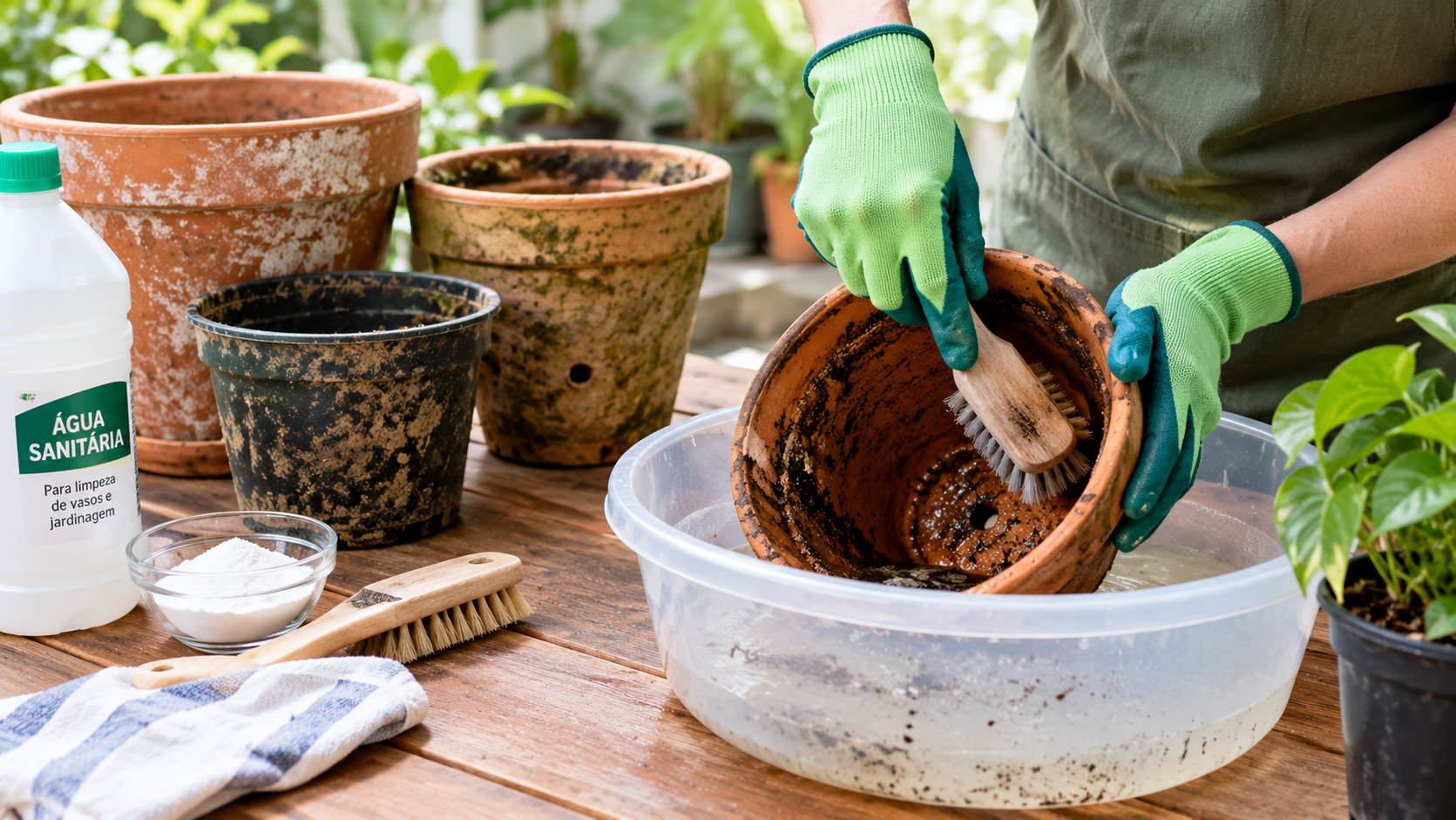
Old plant pots can be valuable resources for anyone who enjoys gardening. Instead of throwing away containers after repotting a plant, you can often clean and reuse them for new plants, seedlings, herbs, or decorative arrangements. However, a pot that looks clean may still contain dried soil, mineral deposits, algae, or residues from a previously … Read more
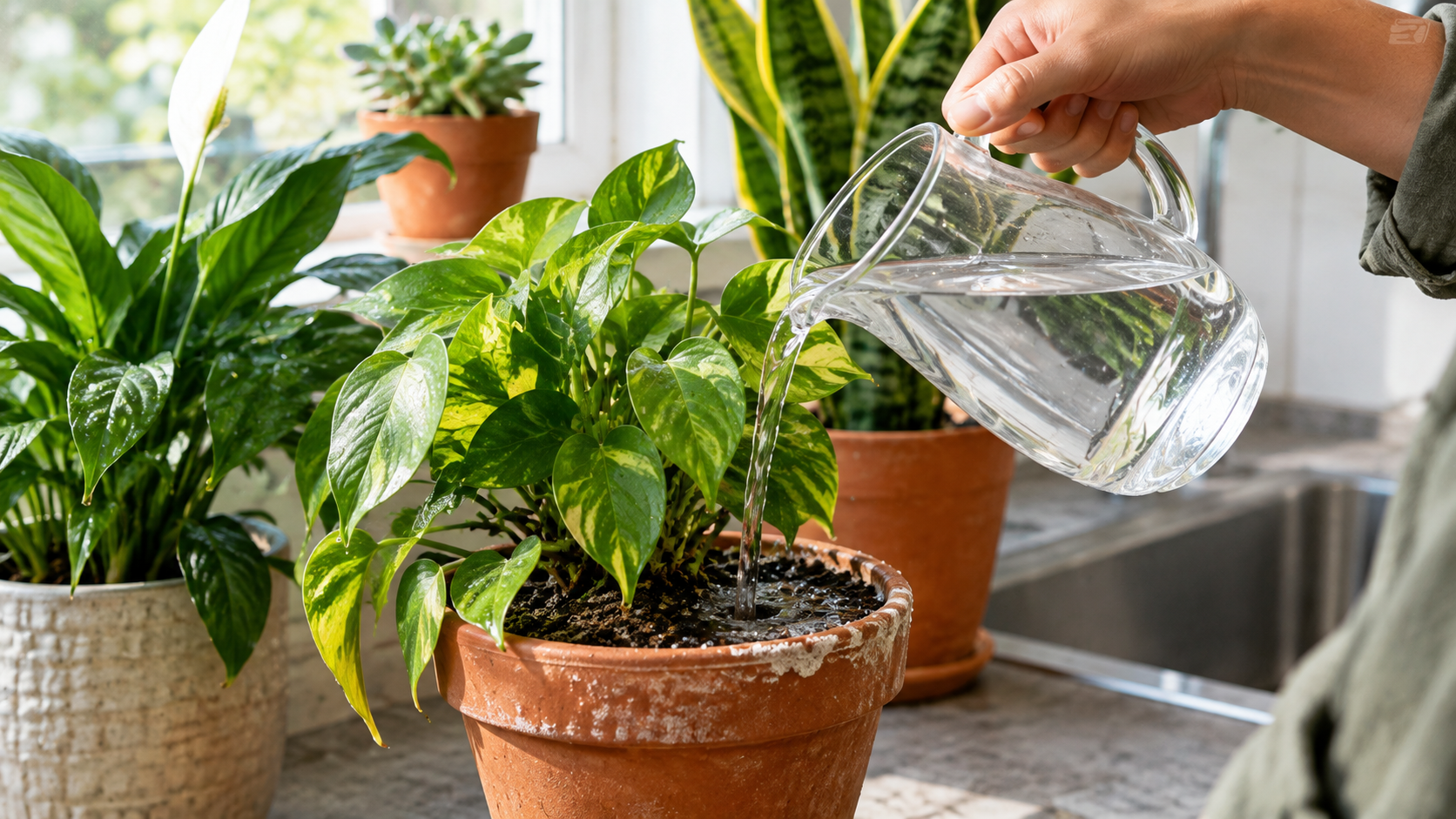
Seasonal Plant Care Calendar: What to Do in Every Season

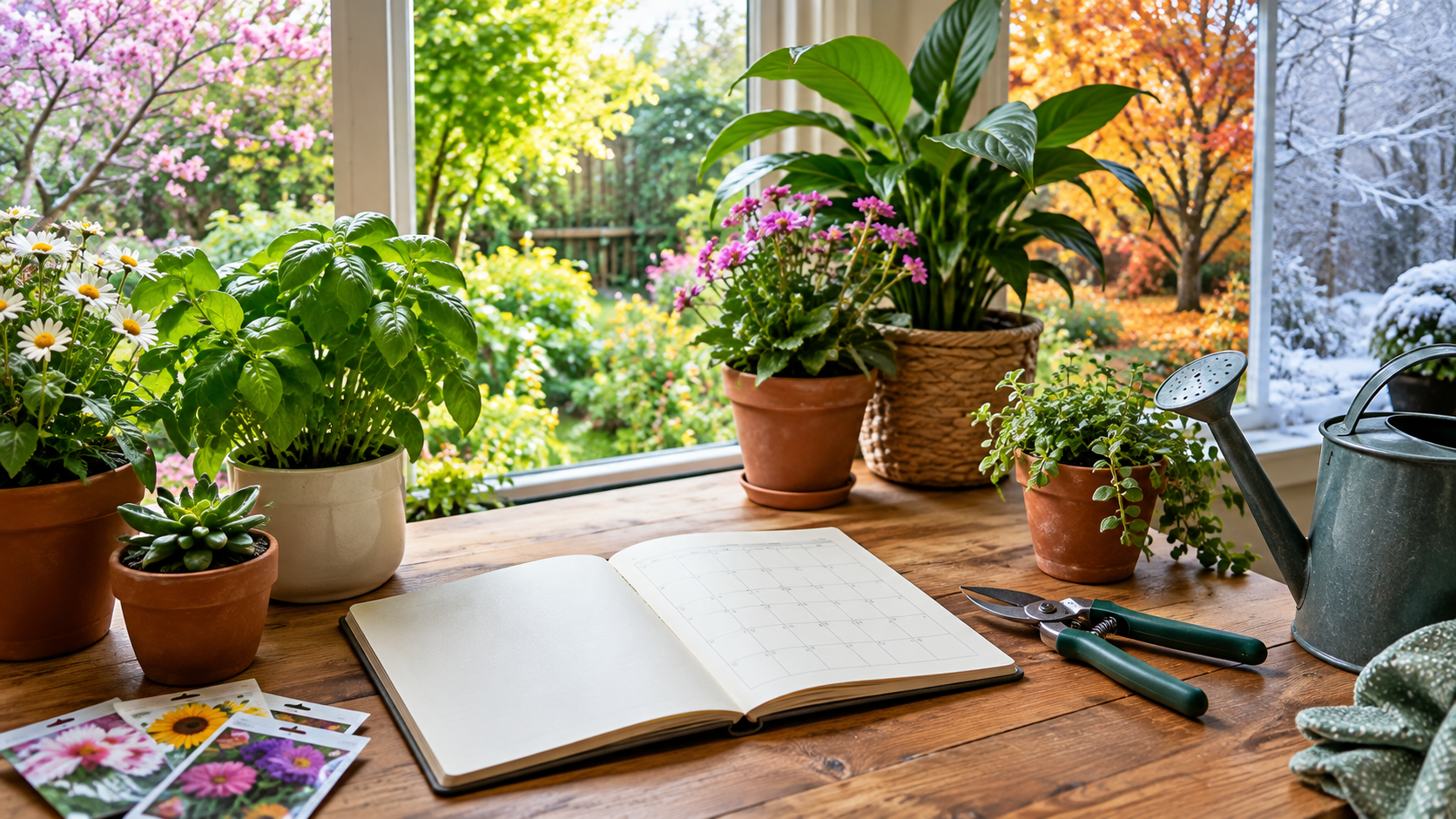
A plant that thrives in spring may need a very different routine in winter. Light levels change, temperatures rise or fall, soil dries at different speeds, and many plants naturally slow their growth during certain months. Following the same watering, pruning, and fertilizing schedule all year can therefore create problems rather than prevent them. A … Read more

Why Fertilizing a Stressed Plant May Not Solve the Problem

When a plant starts turning yellow, drooping, or losing leaves, adding fertilizer can feel like the quickest way to help it recover. After all, plants need nutrients to grow. But if the roots are damaged, the soil stays waterlogged, or the plant receives too little light, extra fertilizer may do little to improve its condition—and … Read more

What to Check Before Changing Your Watering SourceTap Water for Plants

If your houseplants develop brown leaf tips, white deposits on the soil, or slower growth, you may start wondering whether tap water is the problem. Switching to rainwater, filtered water, or distilled water can seem like an easy solution, but not every plant needs a different water source. Tap water is suitable for most houseplants. … Read more

Why Are My Plant Leaves Curling? Causes and How to Fix Them

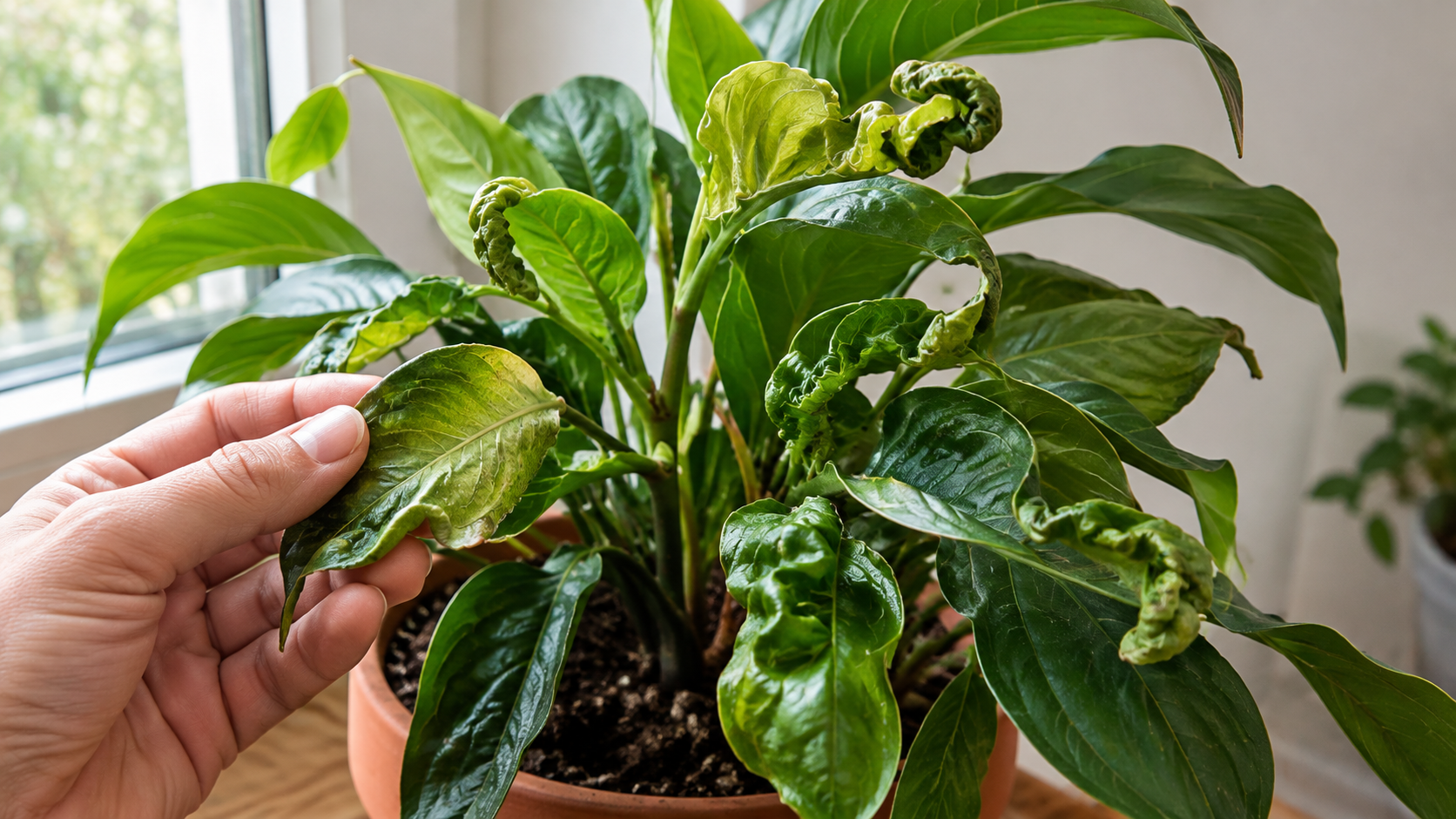
When a plant develops curled, twisted, wrinkled, or unusually shaped leaves, the first instinct is often to water it, add fertilizer, or move it to a different location. However, these symptoms can have several different causes, and the wrong treatment may make the problem worse. Curled or deformed leaves can result from watering problems, environmental … Read more

How to Identify Mealybugs on Plants and Reduce Infestations with Proper Care

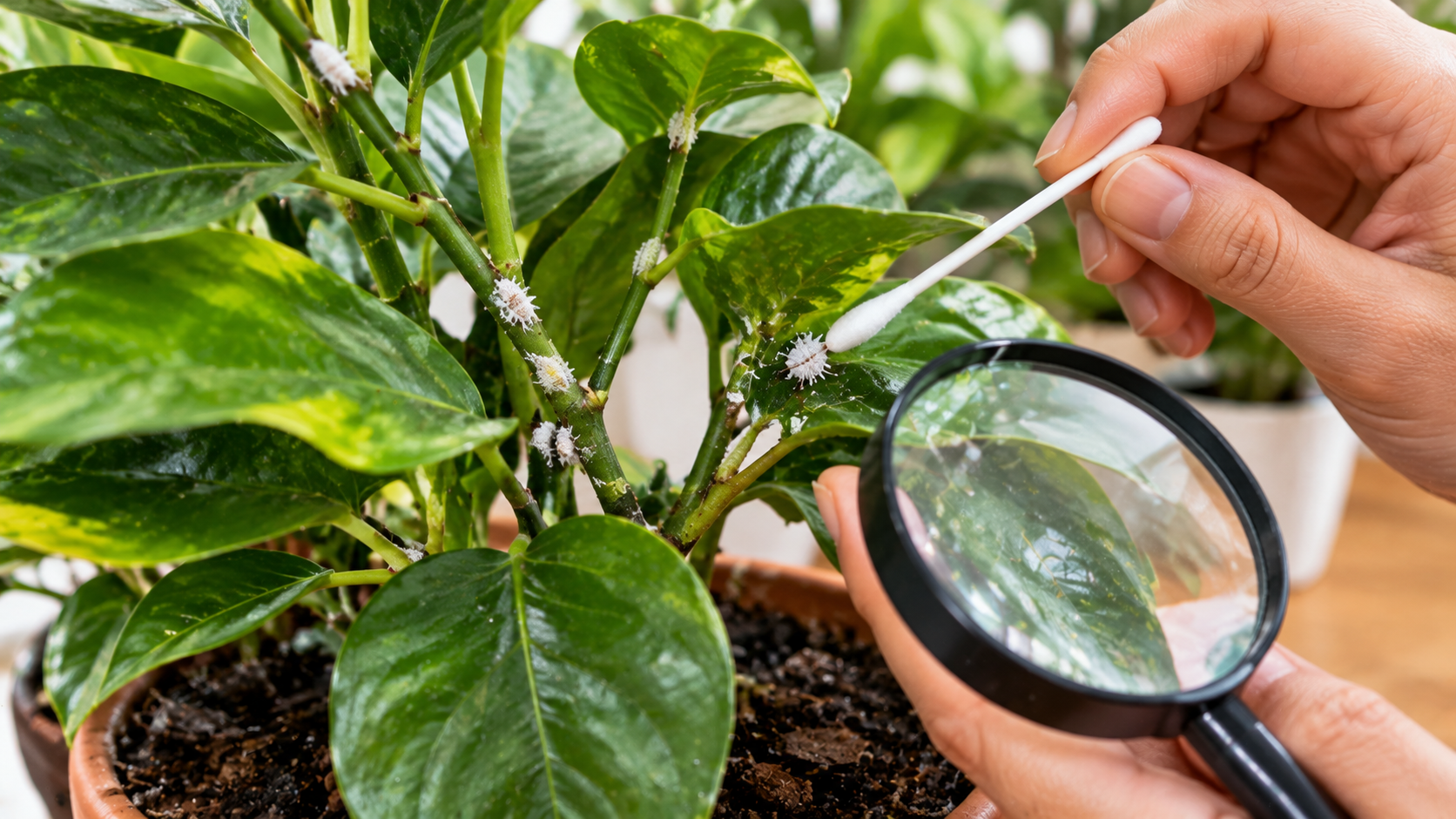
White, cotton-like patches on a plant’s stems or leaves can be an early warning sign of mealybugs. These small sap-feeding insects often hide in places that are easy to overlook, such as leaf joints, folded new growth, and the undersides of leaves. If left unchecked, they can weaken a plant, slow its growth, and spread … Read more

How to Inspect Your Plants Weekly to Spot Pests Early

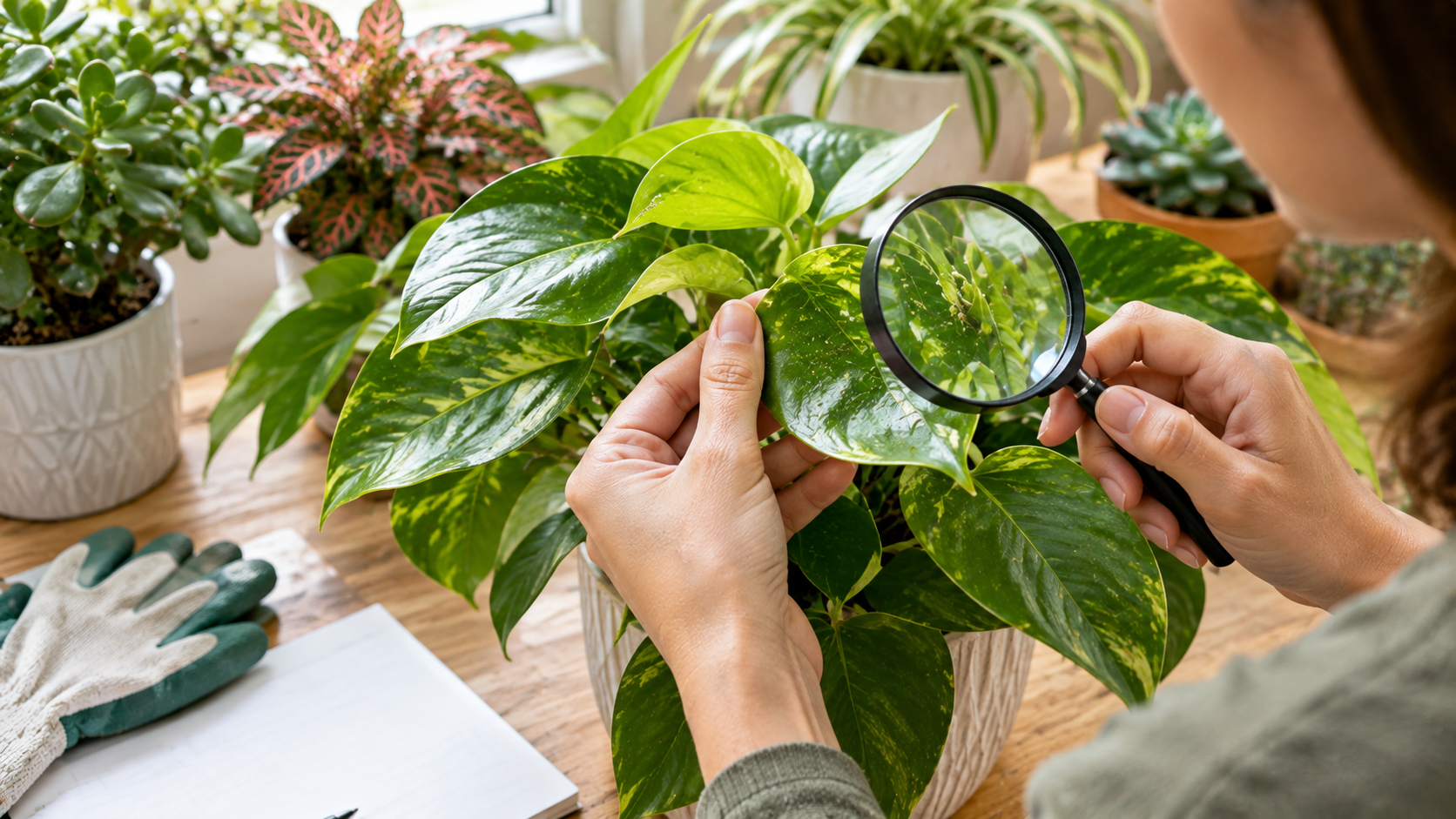
A plant can look healthy from a distance while tiny pests hide beneath its leaves, around new shoots, or where stems meet the soil. By the time leaves become badly damaged or begin to fall, an infestation may already have spread to nearby plants. A simple weekly inspection helps you notice early warning signs and … Read more

How to Remove a Plant from Its Pot Without Unnecessarily Damaging the Roots

Removing a plant from its pot can be stressful when the roots are tightly packed, the soil is dry, or the container is difficult to handle. Pulling too hard on the stem or forcing the root ball through a narrow opening can break delicate roots and damage the plant. Fortunately, most potted plants can be … Read more

How to Care for Plants While Away for a Week Without Wasting Water

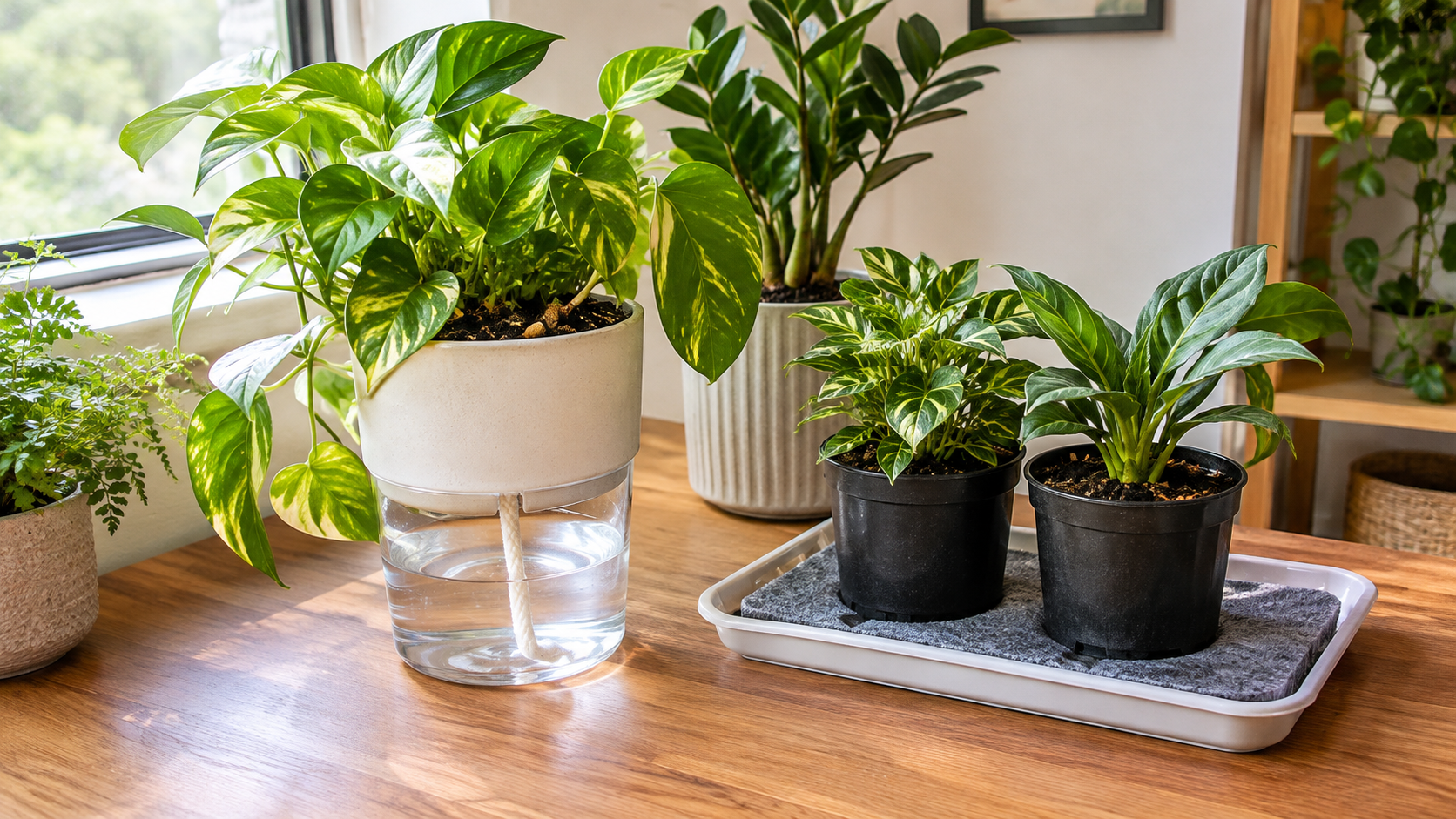
Leaving home for a week can raise an important question for plant lovers: how can you keep your plants healthy without leaving taps running, overwatering pots, or returning to dry, wilted leaves? The answer depends on the type of plant, the weather, the amount of sunlight it receives, and how quickly its soil loses moisture. … Read more

How to Care for a ZZ Plant in Low Natural Light

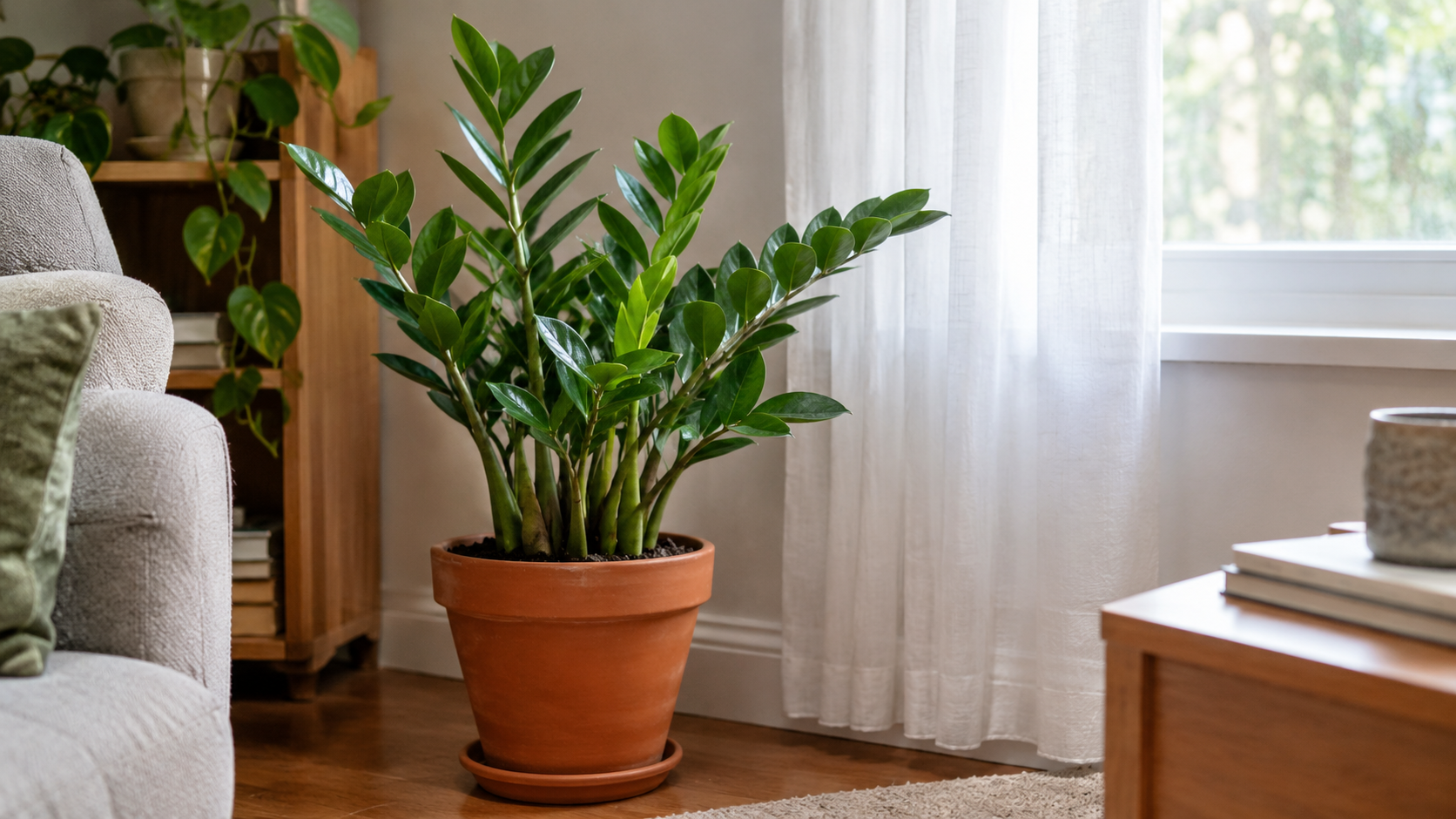
A room with small windows, a shaded corner, or an office far from direct sunlight can make growing houseplants challenging. Fortunately, the ZZ plant (Zamioculcas zamiifolia) is one of the most adaptable indoor plants for these conditions. Its glossy green leaves, upright growth, and water-storing underground rhizomes allow it to tolerate lower light levels and … Read more

Morning Sun or Afternoon Sun: How to Choose the Best Spot for Each Plant

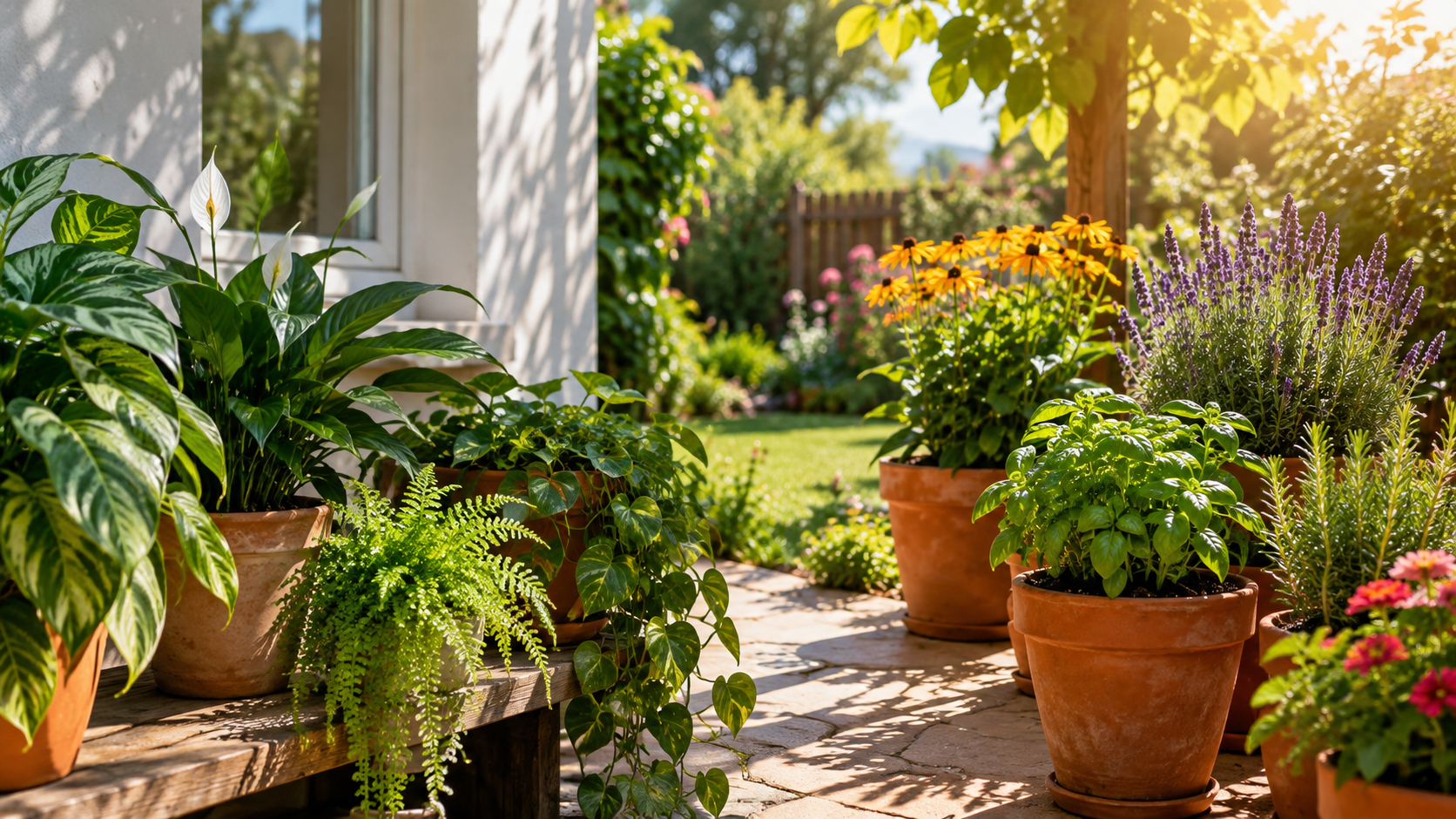
Choosing the right place for a plant can make the difference between healthy growth and a plant that struggles with yellowing leaves, weak stems, or scorched foliage. A balcony that receives gentle morning sunshine may be perfect for one species, while a hot afternoon patio may suit another much better. The key is understanding that … Read more

Dark Spots on Plant Leaves: How to Recognize the Signs and Prevent the Problem from Spreading

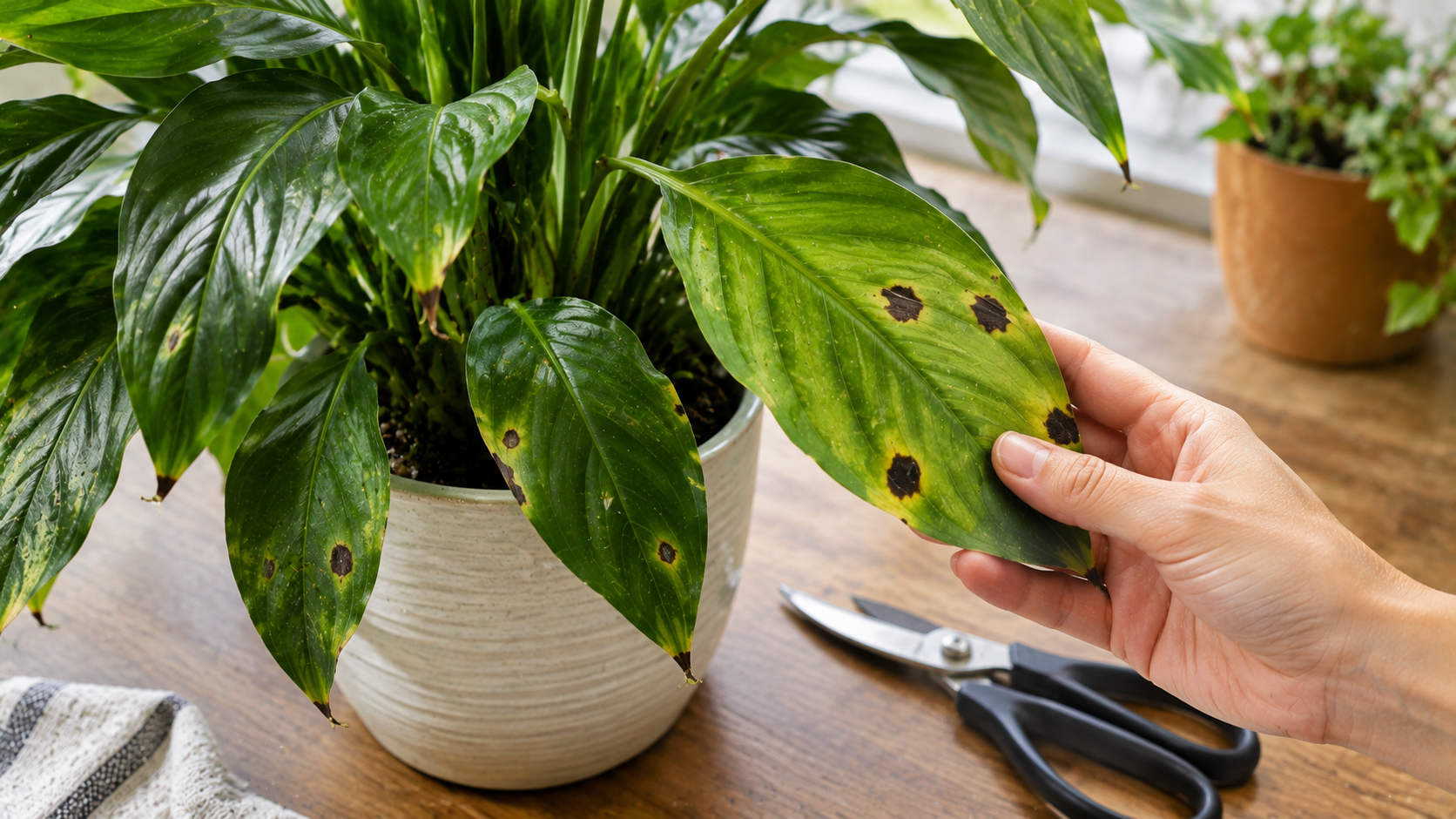
n be worrying, especially when they begin to appear on several leaves within a short period. A small brown mark might result from sunburn, irregular watering, physical damage, or a developing leaf disease. Because these problems can look similar at first, the most useful step is to observe the pattern of the spots before changing … Read more

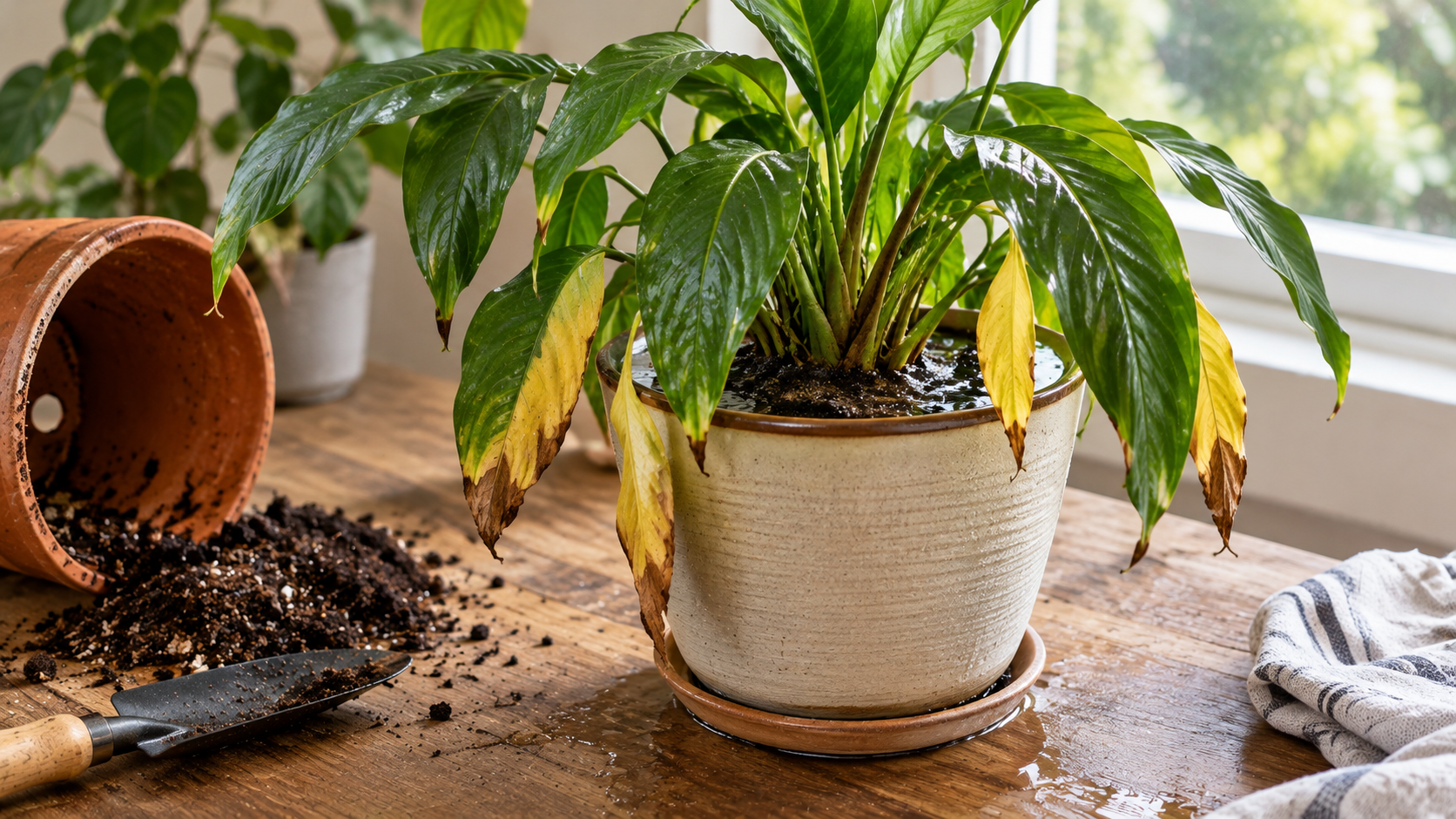
How to Save a Plant That Has Been Sitting in Waterlogged Soil for Too Long

A plant that has spent several days in soggy soil may start showing yellow leaves, drooping stems, or a generally unhealthy appearance. You might assume it needs more water because it looks wilted, but adding more moisture can make the problem worse. When soil remains saturated for too long, the roots may not receive enough … Read more

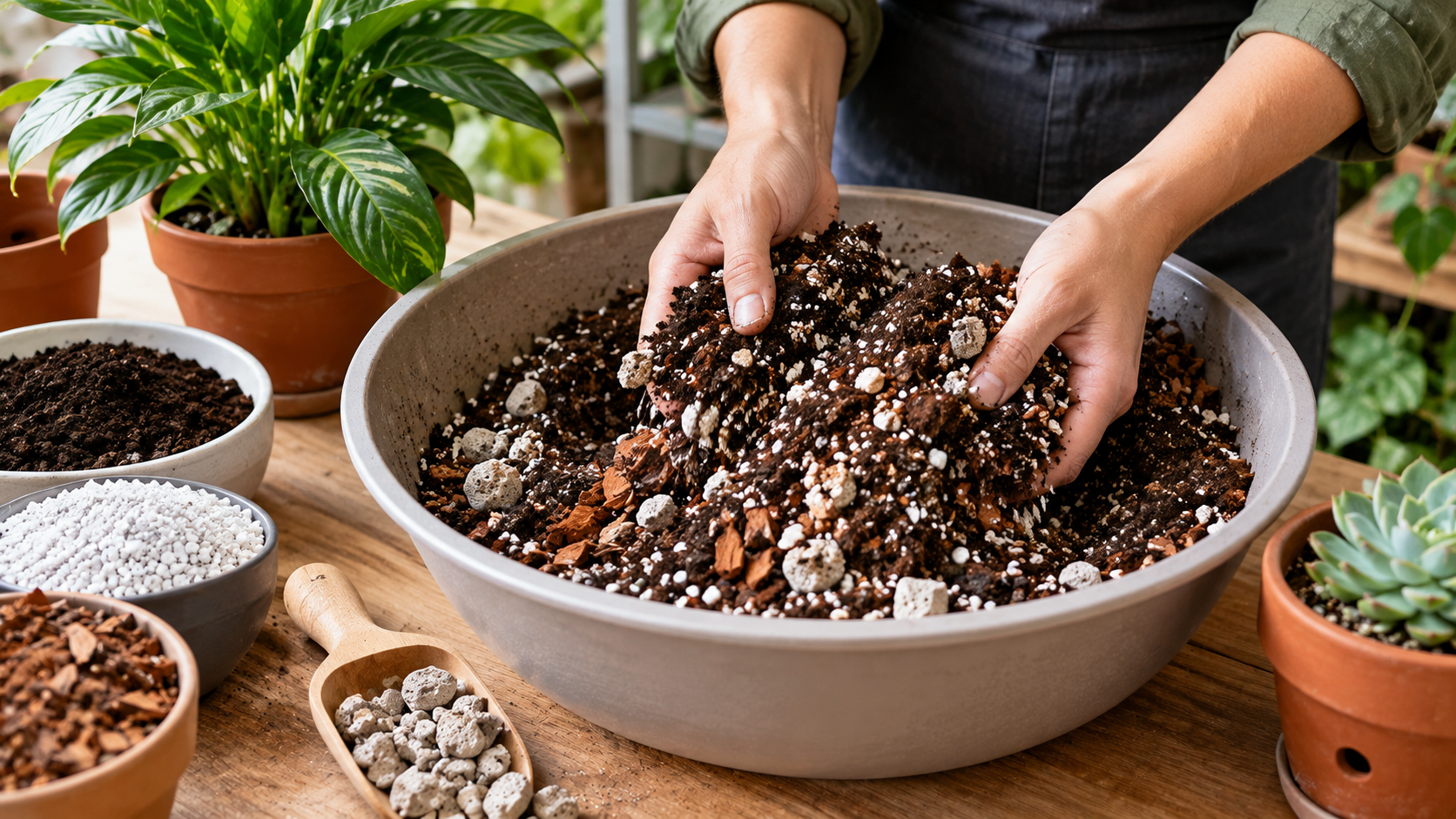
How to Make a Lightweight Potting Mix for Plants That Dislike Waterlogged Soil

If your houseplants frequently develop yellow leaves, wilt despite regular watering, or sit in damp soil for days, the problem may be related to the potting mix. Some growing media retain too much water, leaving roots with insufficient oxygen and increasing the risk of root damage. Preparing a lightweight potting mix can help create a … Read more