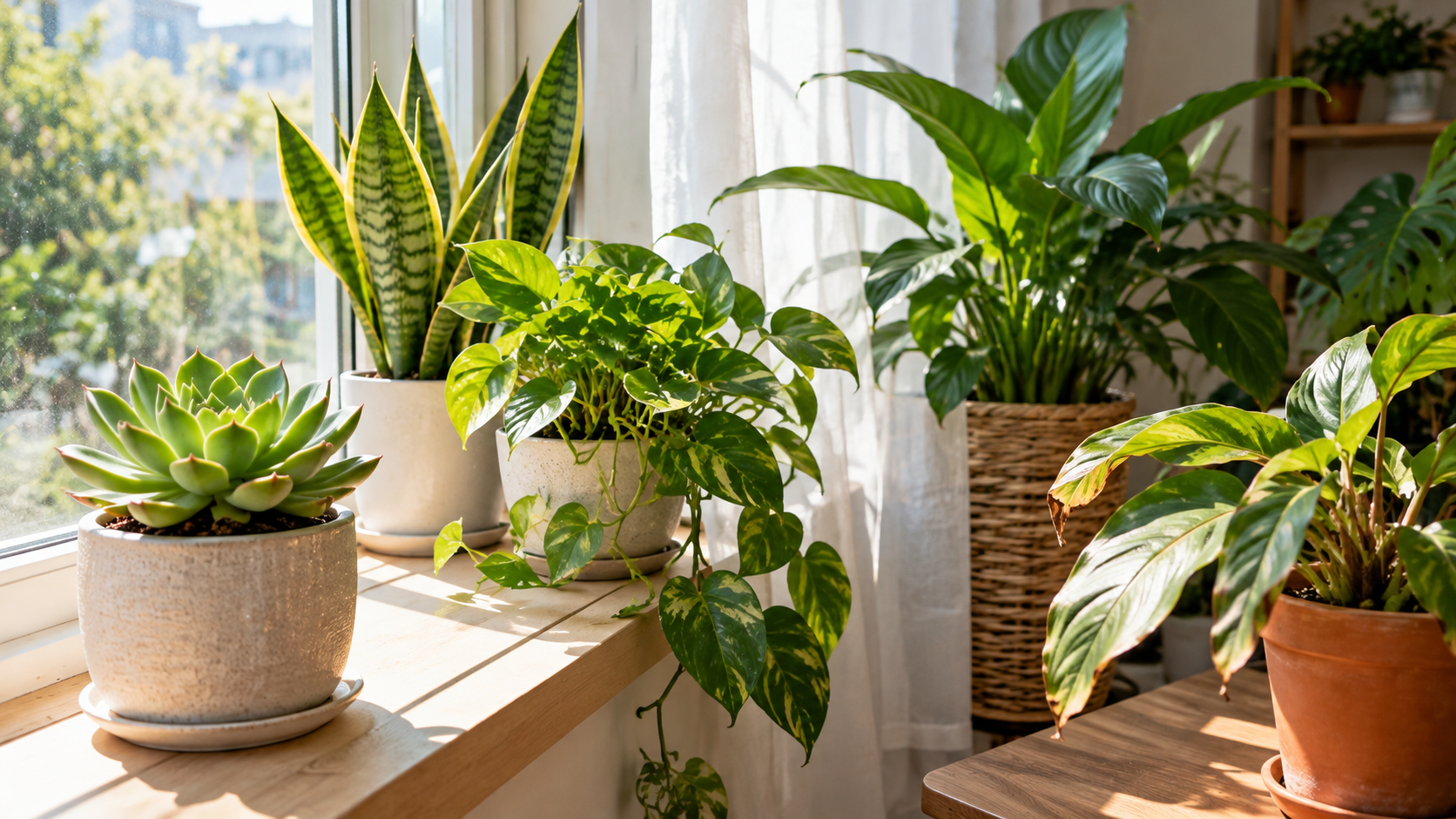
Houseplants in a Small Apartment: How to Arrange Pots Without Harming Your Plants
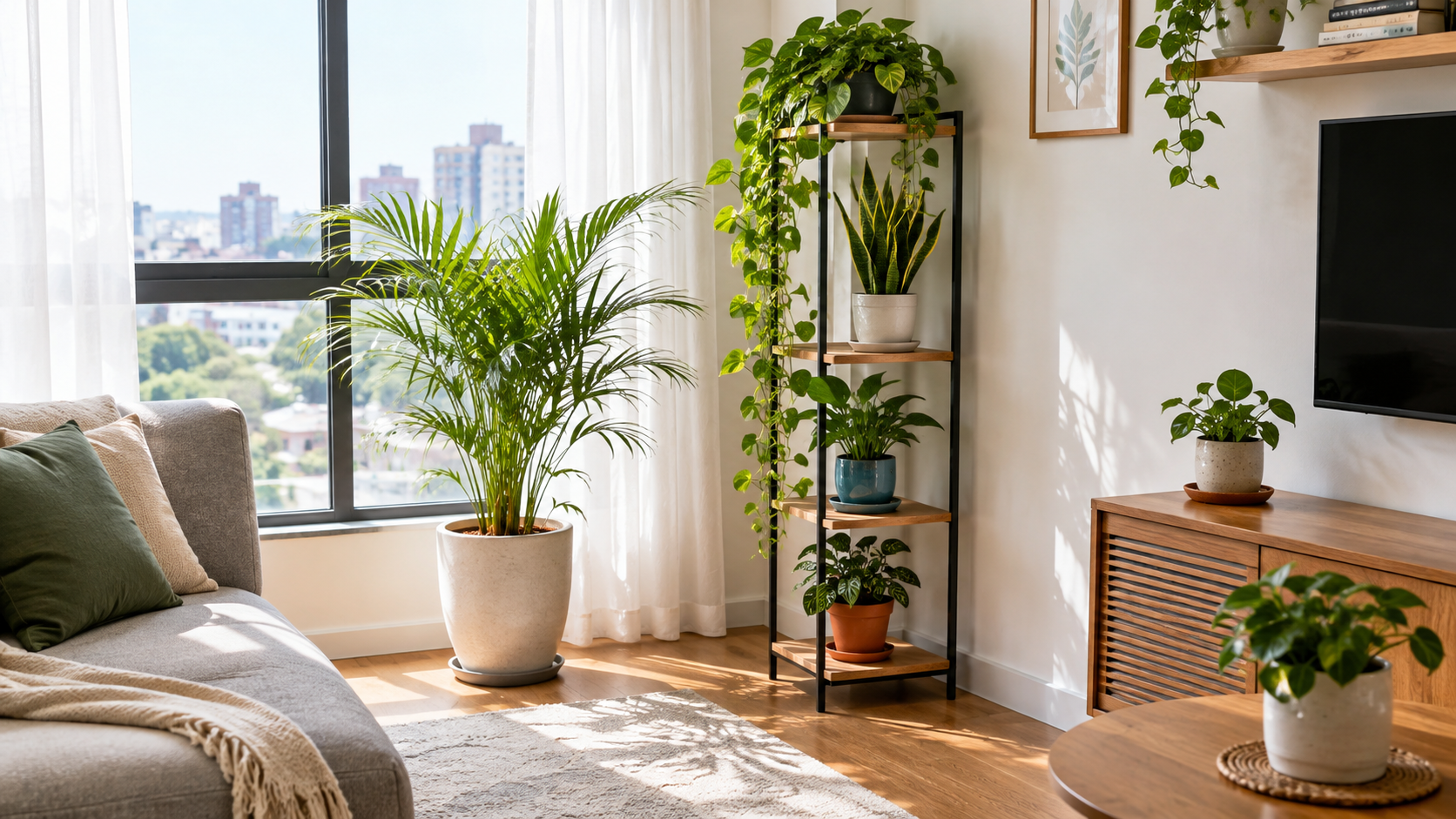
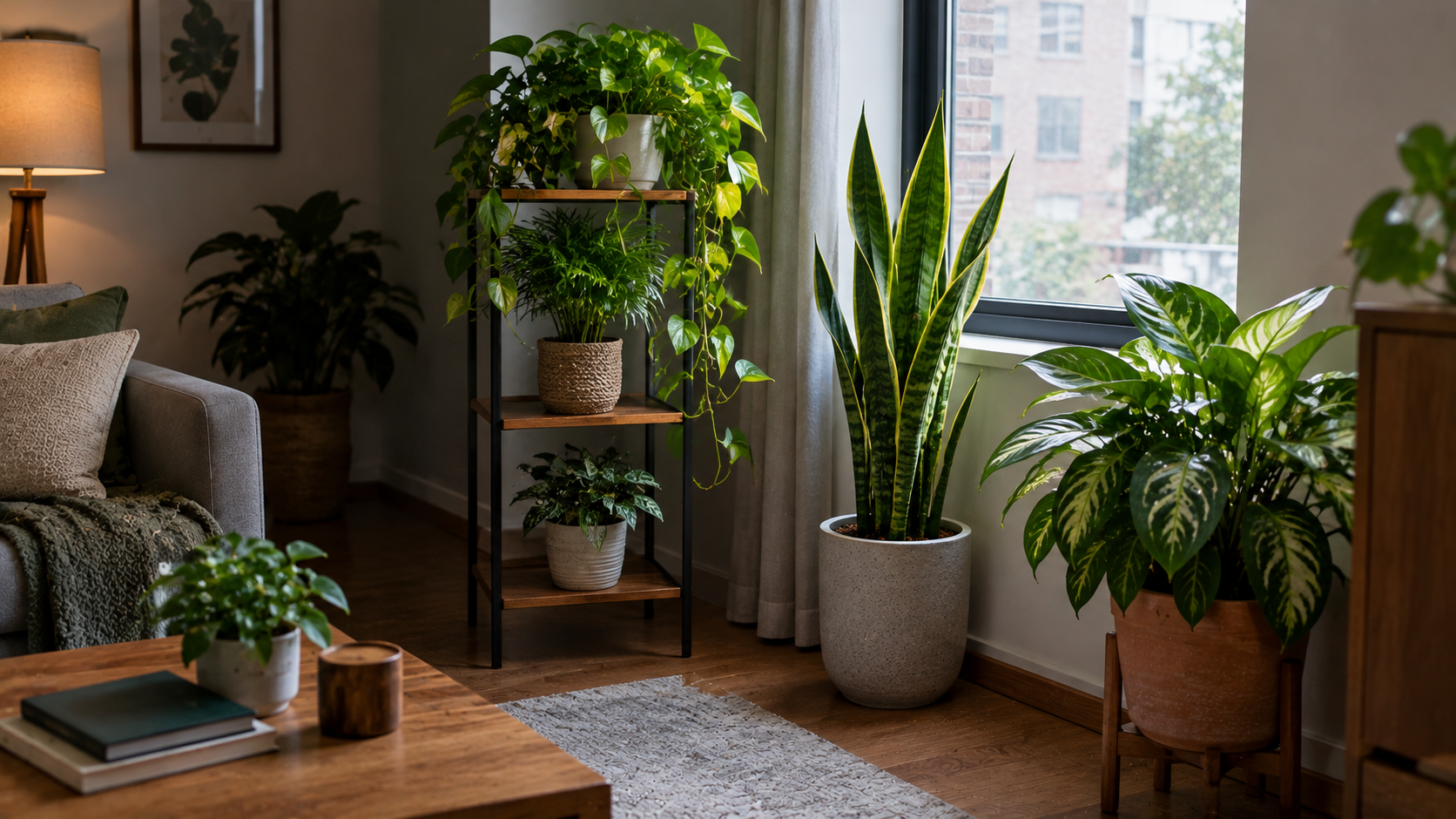
Living in a small apartment does not mean giving up on a beautiful indoor garden. Even with limited floor space, you can grow a variety of houseplants by using shelves, window areas, corners, and carefully selected plant stands. The key is to arrange pots according to each plant’s light requirements, growth habits, and watering needs … Read more
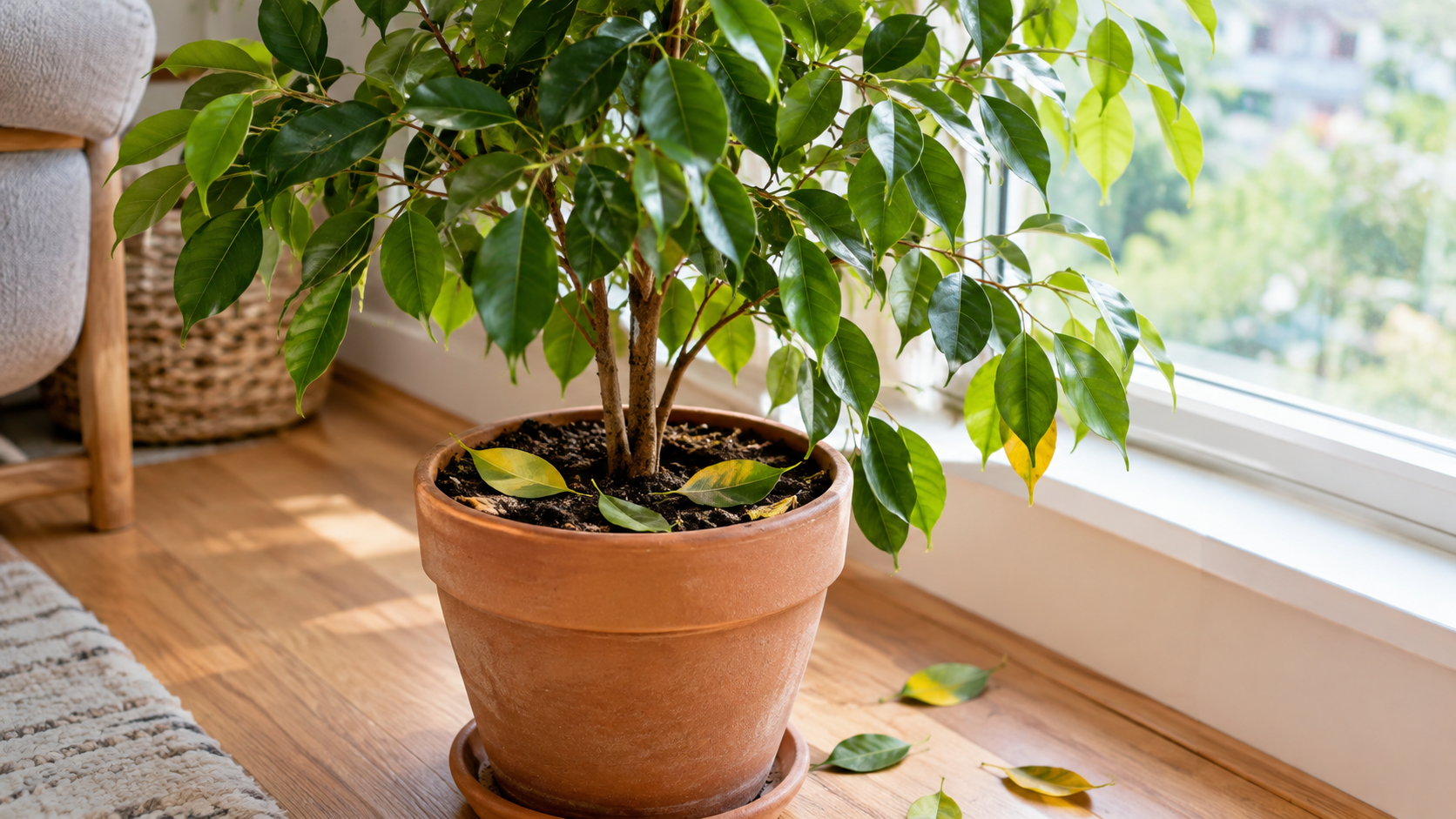
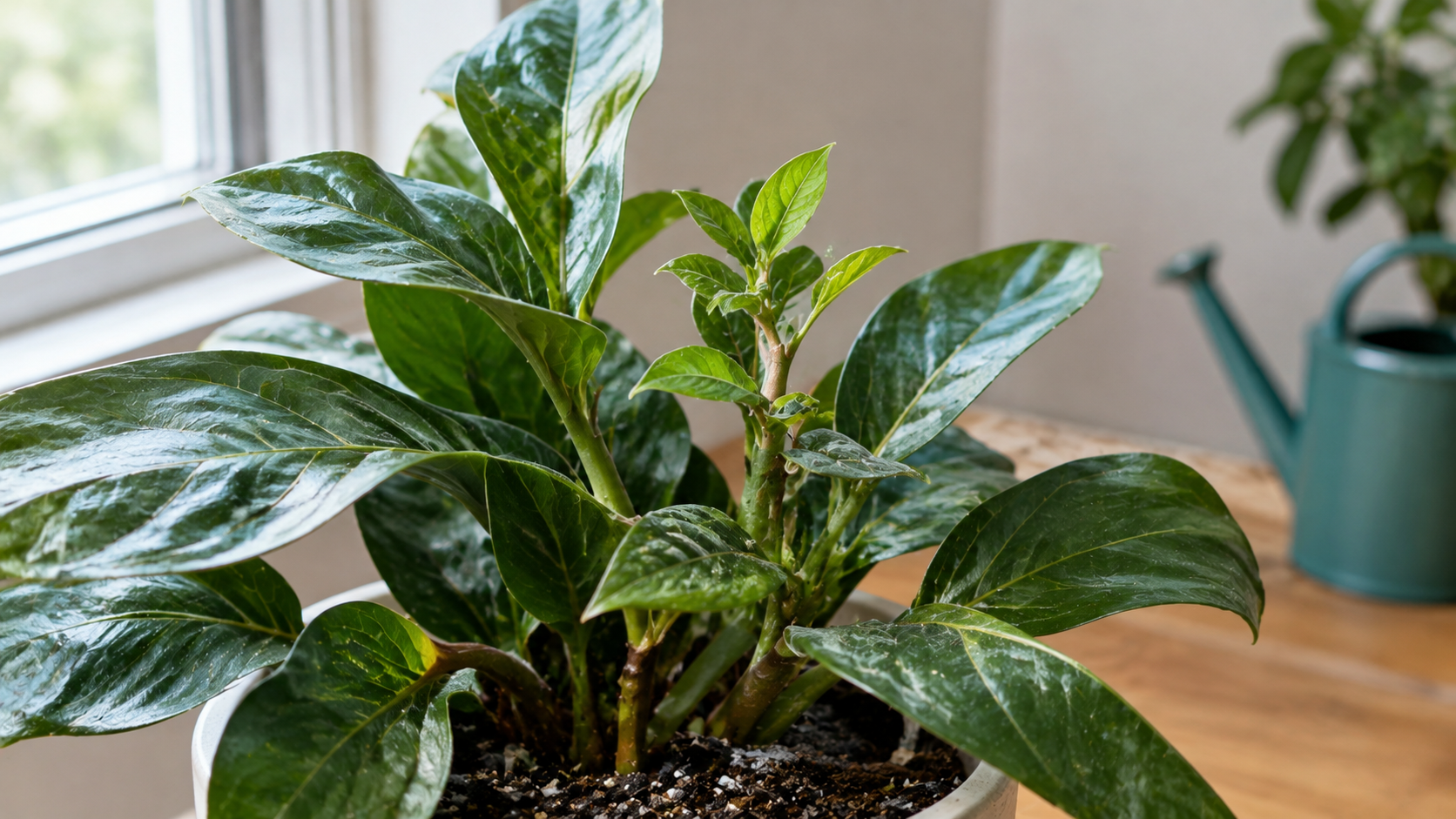
A Plant Losing Leaves After Being Moved: How to Help It Adjust

A houseplant that starts dropping leaves after being moved to another room, placed near a different window, or brought home from a garden center may be reacting to a sudden change in its environment. Although this can be worrying, leaf loss does not always mean the plant is dying. Many plants need time to adjust … Read more

Why Are New Leaves Growing Small? Factors That May Be Limiting Plant Growth

When a houseplant produces new leaves that are noticeably smaller than its older foliage, it can be a sign that something in its growing environment has changed. The plant may be receiving less light, struggling with damaged roots, lacking available nutrients, or adjusting to a new location. In some cases, however, small leaves are simply … Read more

How to Care for a ZZ Plant in Low Natural Light

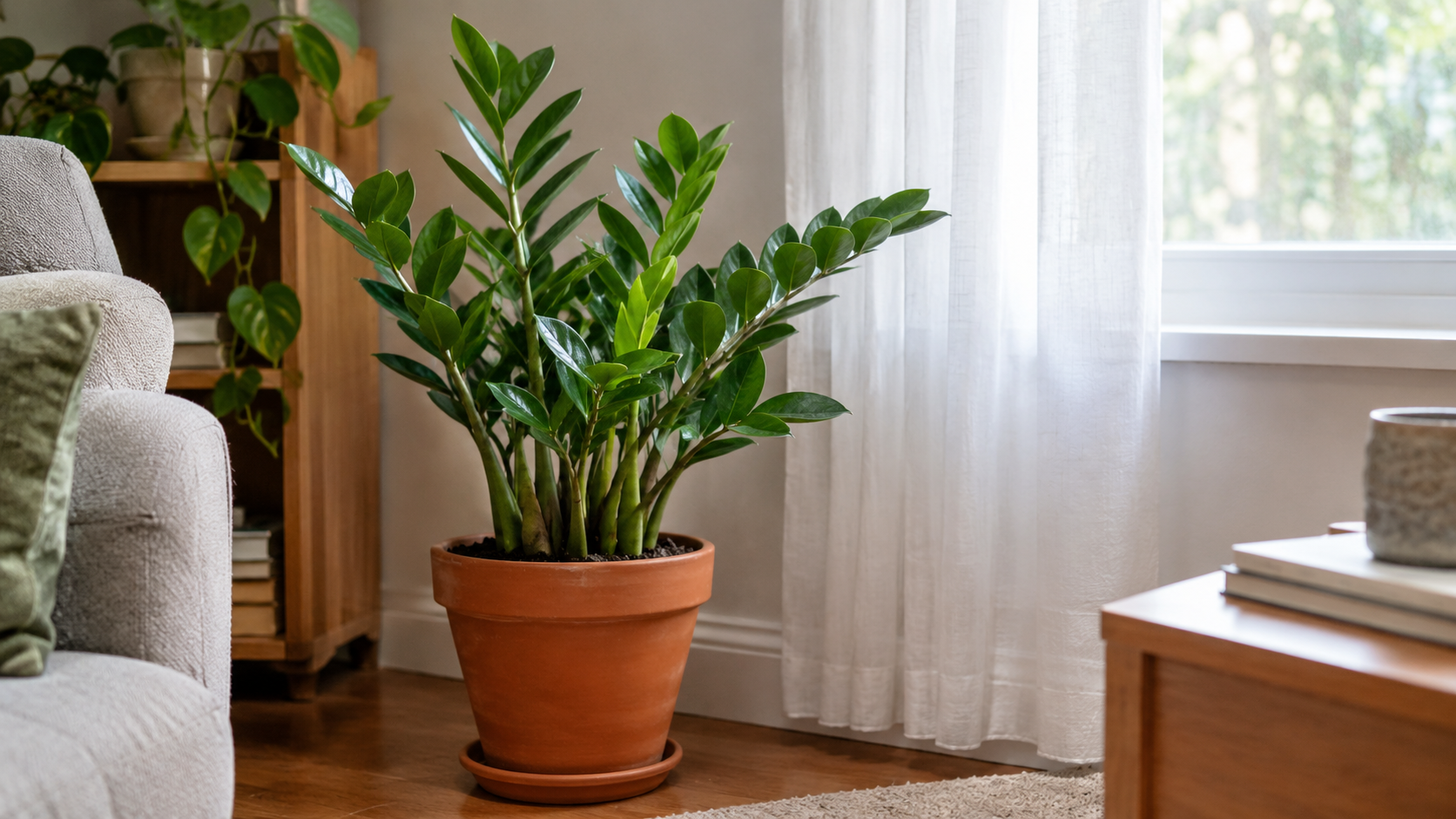
A room with small windows, a shaded corner, or an office far from direct sunlight can make growing houseplants challenging. Fortunately, the ZZ plant (Zamioculcas zamiifolia) is one of the most adaptable indoor plants for these conditions. Its glossy green leaves, upright growth, and water-storing underground rhizomes allow it to tolerate lower light levels and … Read more

Dark Spots on Plant Leaves: How to Recognize the Signs and Prevent the Problem from Spreading

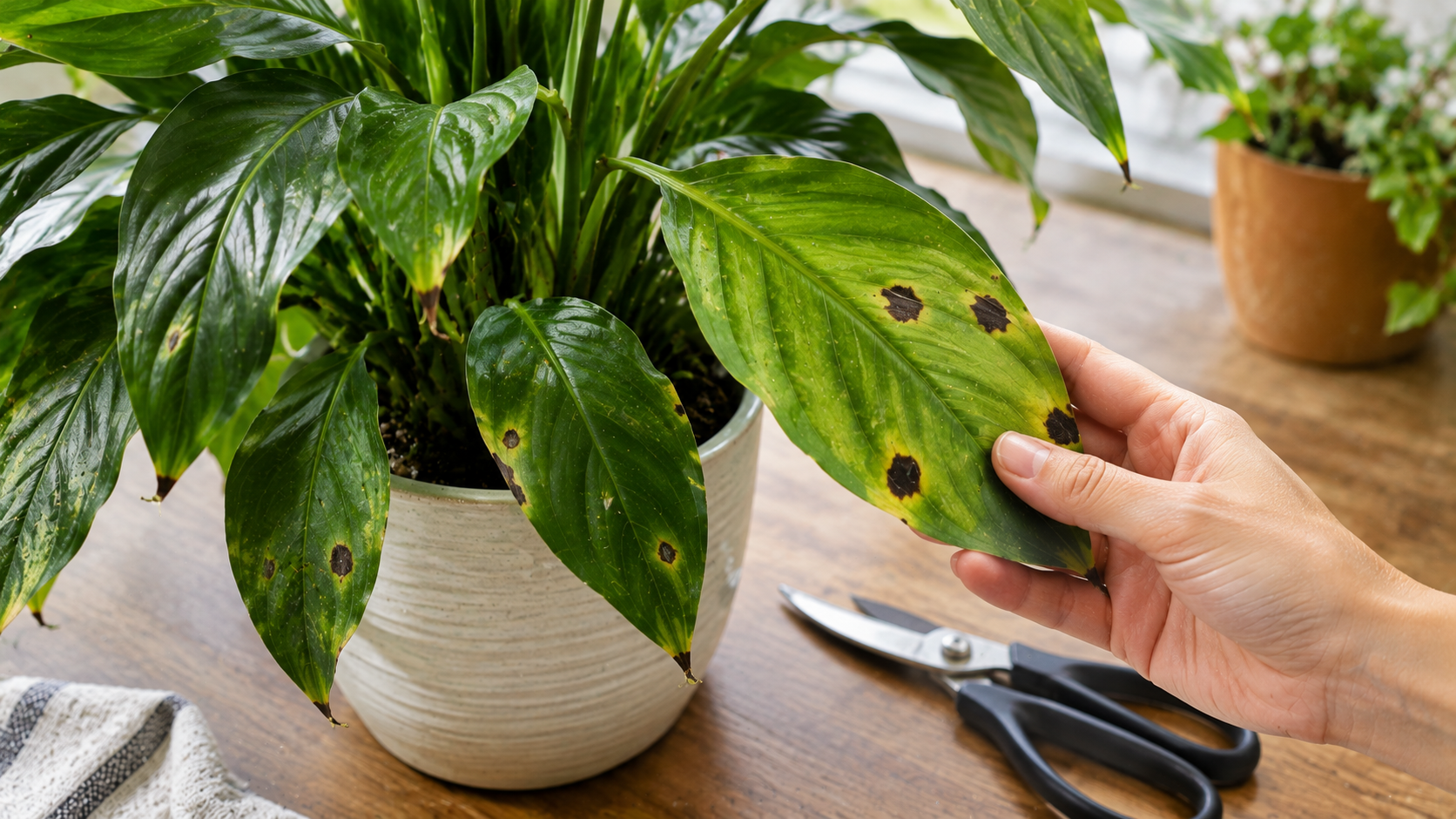
n be worrying, especially when they begin to appear on several leaves within a short period. A small brown mark might result from sunburn, irregular watering, physical damage, or a developing leaf disease. Because these problems can look similar at first, the most useful step is to observe the pattern of the spots before changing … Read more

How to Build a Mini Greenhouse at Home to Help Certain Seedlings Maintain Humidity

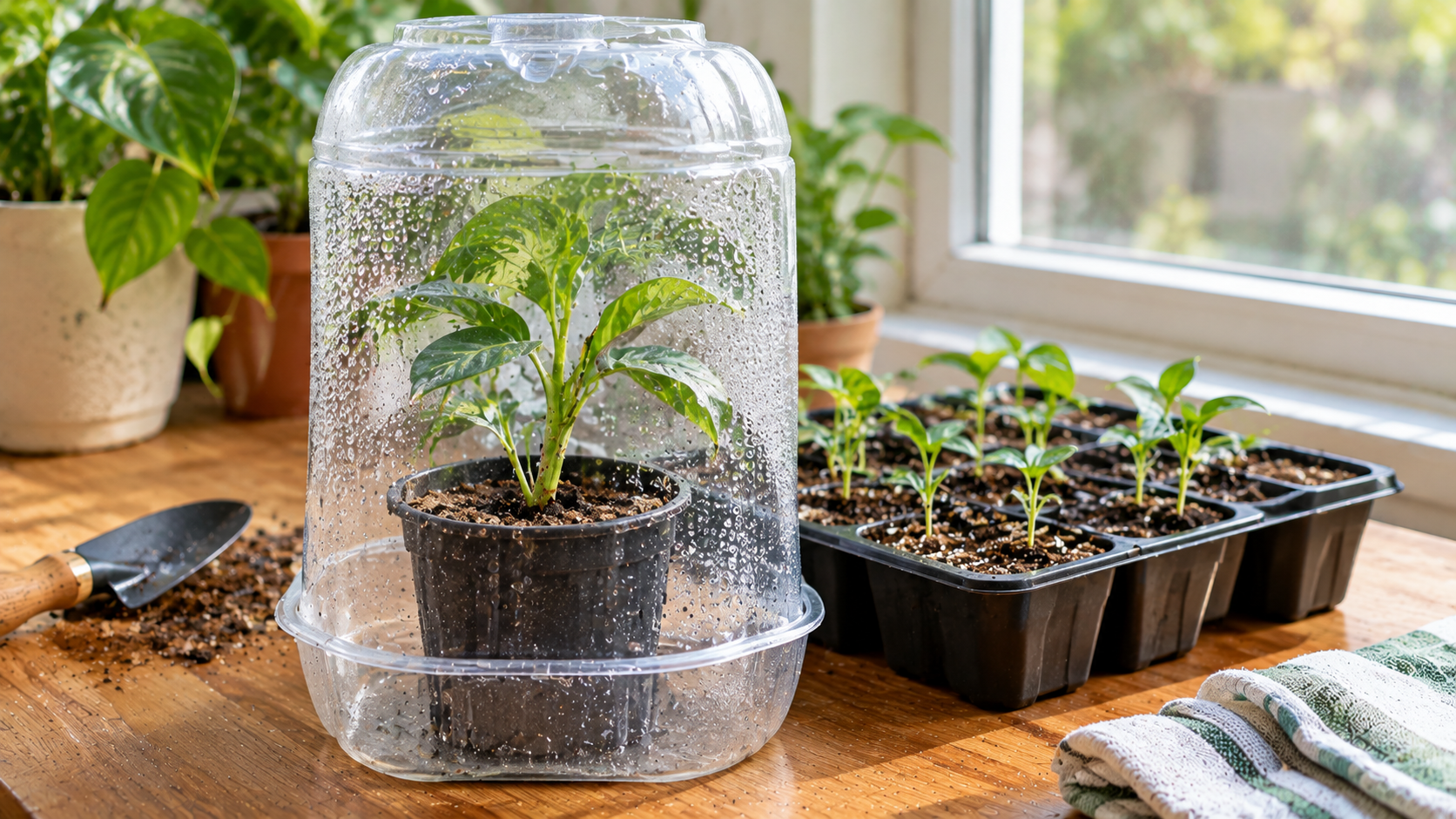
Some seeds and plant cuttings dry out quickly when exposed to ordinary indoor air. A newly rooted cutting may not yet have enough roots to replace the moisture lost through its leaves, while certain seeds need consistent moisture to germinate. A simple homemade mini greenhouse can help by trapping humidity around the plant and reducing … Read more

How to Arrange Potted Plants in a Home With Little Natural Light

A home with small windows, shaded rooms, or buildings blocking the sunlight can still accommodate beautiful indoor plants. The challenge is deciding which plants belong near the windows, which can tolerate dimmer corners, and how to arrange pots so that every plant receives enough light to remain healthy. The key is to organize your plants … Read more

How to Save a Plant That Has Been Sitting in Waterlogged Soil for Too Long

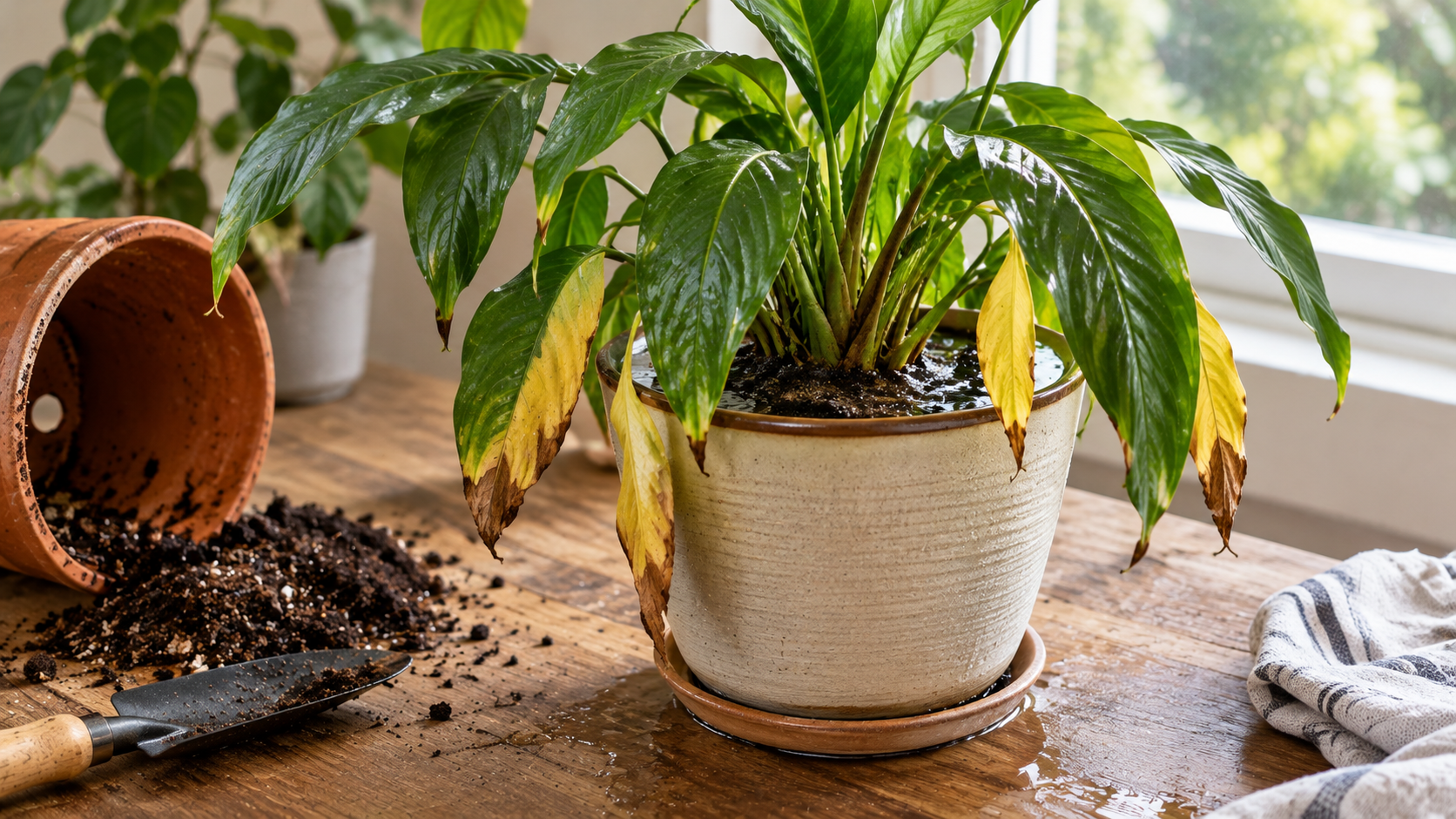
A plant that has spent several days in soggy soil may start showing yellow leaves, drooping stems, or a generally unhealthy appearance. You might assume it needs more water because it looks wilted, but adding more moisture can make the problem worse. When soil remains saturated for too long, the roots may not receive enough … Read more

Why Some Plant Cuttings Develop Roots but No New Leaves

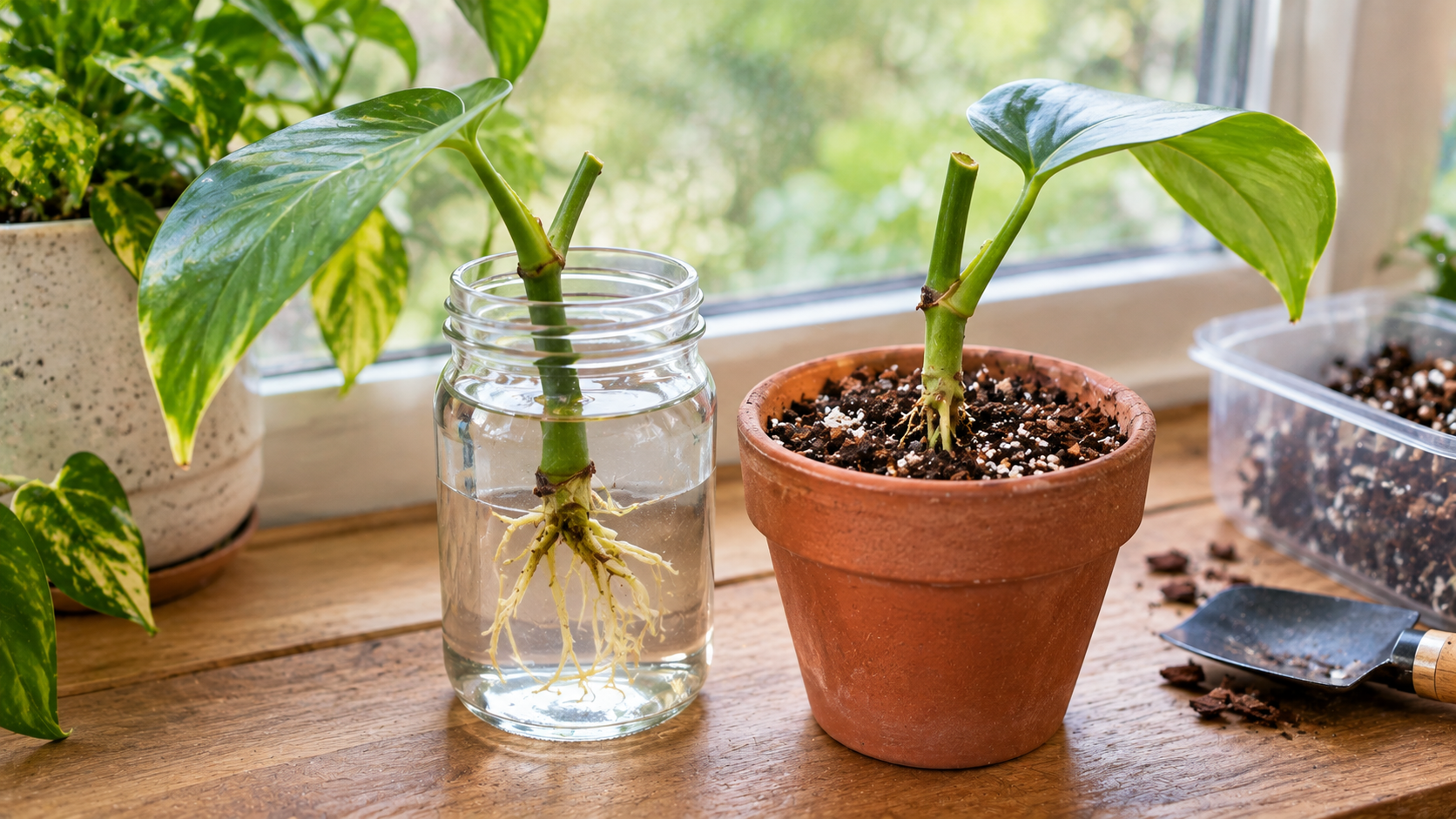
You place a plant cutting in water or potting mix, wait patiently, and eventually notice healthy-looking roots. Yet weeks later, there are still no new leaves. The cutting seems alive, but it does not appear to be turning into a new plant. This situation is common in home propagation, and it does not always mean … Read more

Saint George’s Sword: How to Avoid the Most Common Watering Mistakes When Growing It in a Pot

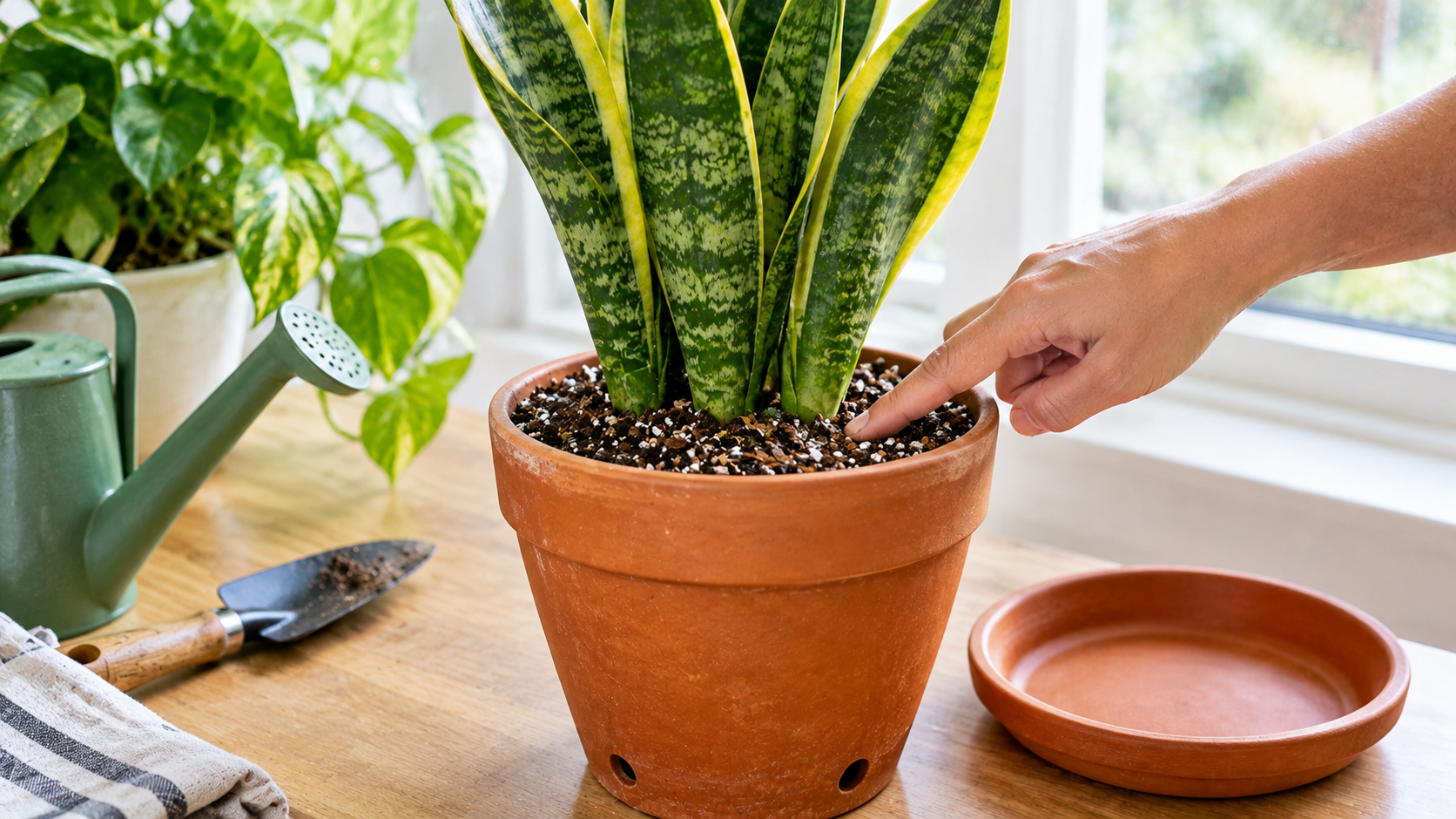
Saint George’s sword, also known as the snake plant (Dracaena trifasciata, formerly Sansevieria trifasciata), is popular for its upright leaves, adaptability, and relatively simple care requirements. However, one mistake can undermine all these advantages: watering too frequently or without checking whether the soil is ready for more moisture. If your plant has yellowing leaves, soft … Read more

How to Make a Lightweight Potting Mix for Plants That Dislike Waterlogged Soil

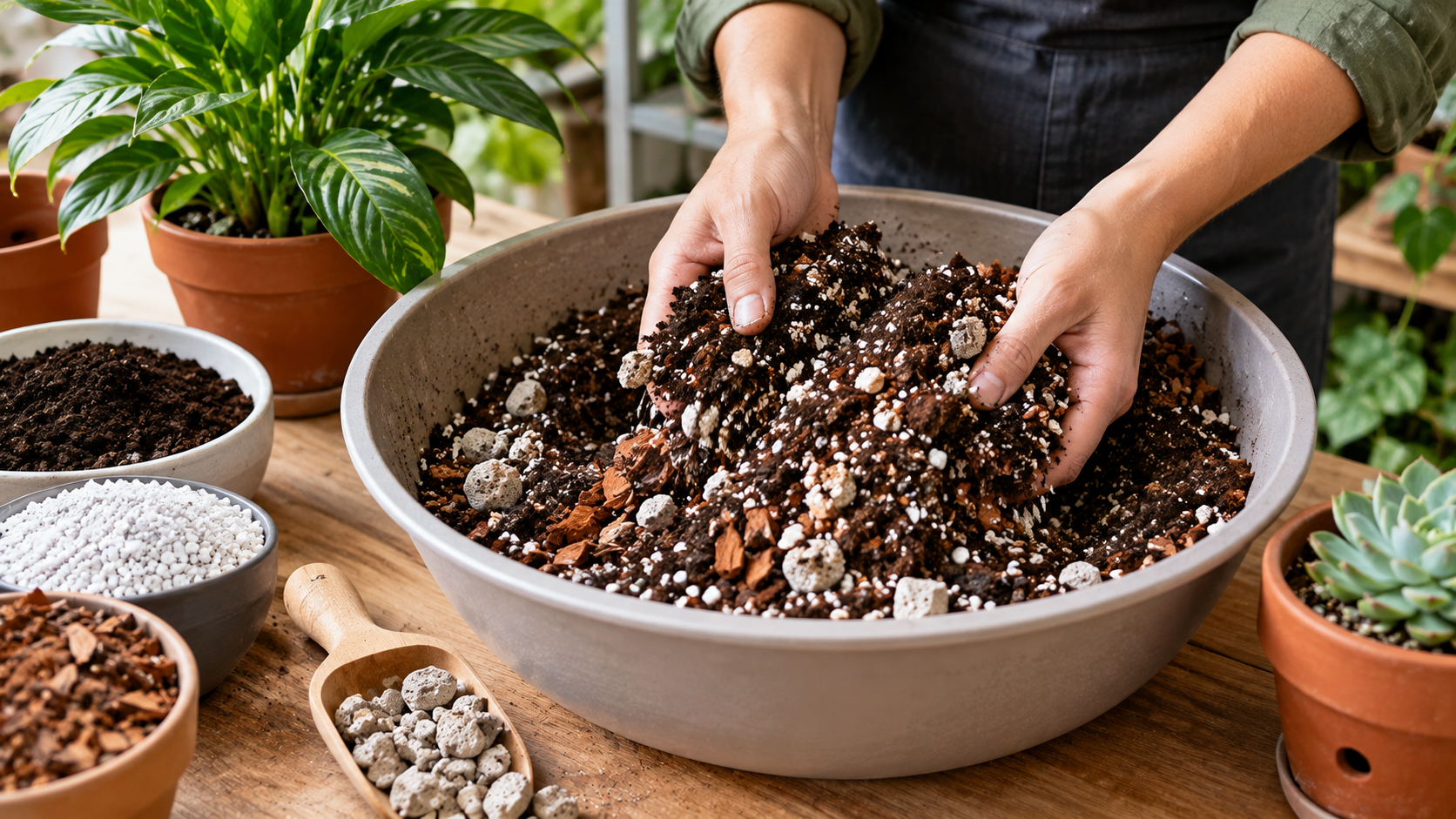
If your houseplants frequently develop yellow leaves, wilt despite regular watering, or sit in damp soil for days, the problem may be related to the potting mix. Some growing media retain too much water, leaving roots with insufficient oxygen and increasing the risk of root damage. Preparing a lightweight potting mix can help create a … Read more

Plants Near a Window: How to Use Natural Light Without Burning the Leaves

Placing houseplants near a window is one of the easiest ways to provide natural light indoors. However, a spot that looks bright and comfortable to you may expose certain plants to more direct sunlight than they can tolerate. Leaves can develop pale patches, dry brown edges, or scorched areas, especially after a plant is moved … Read more