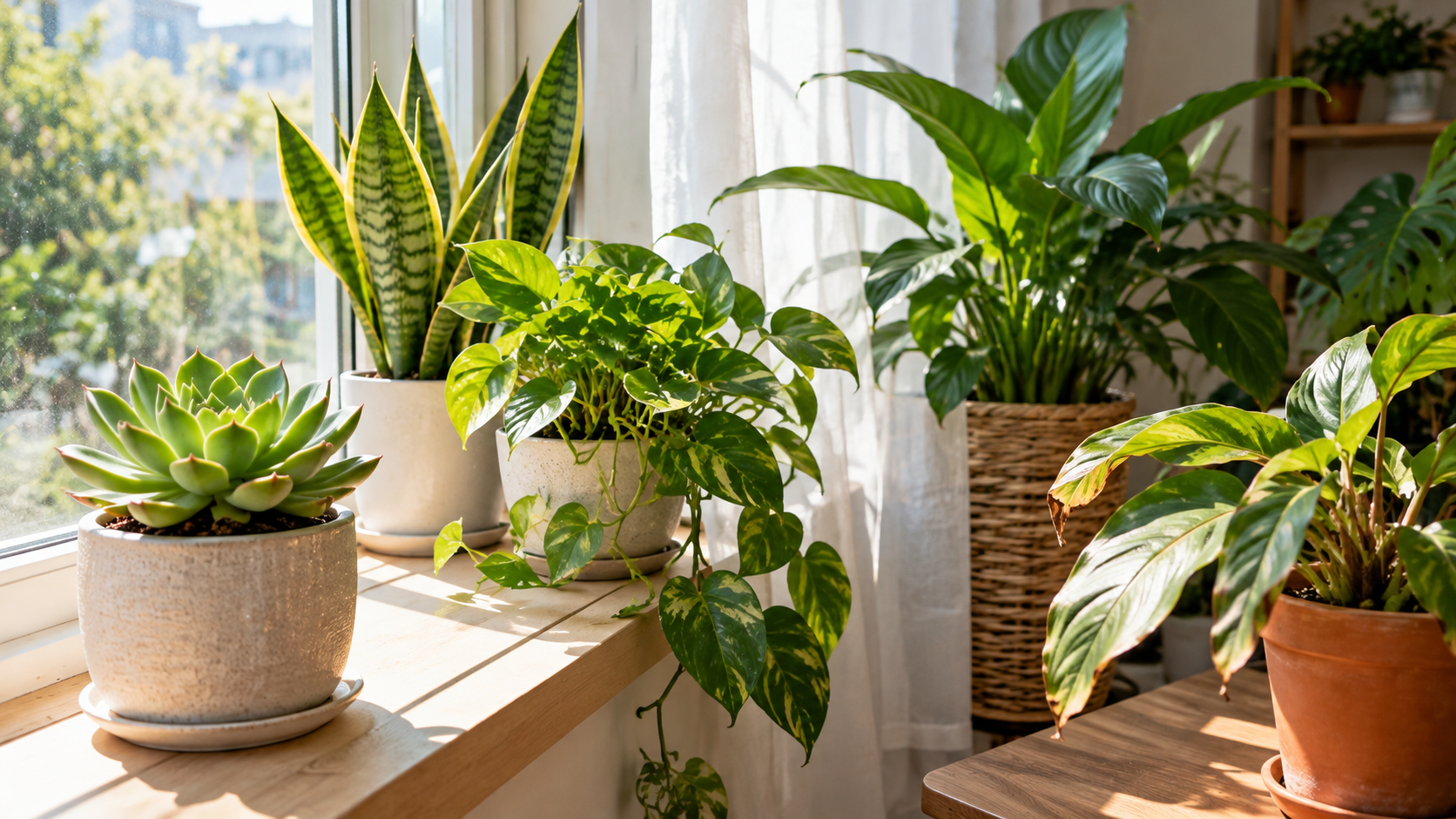
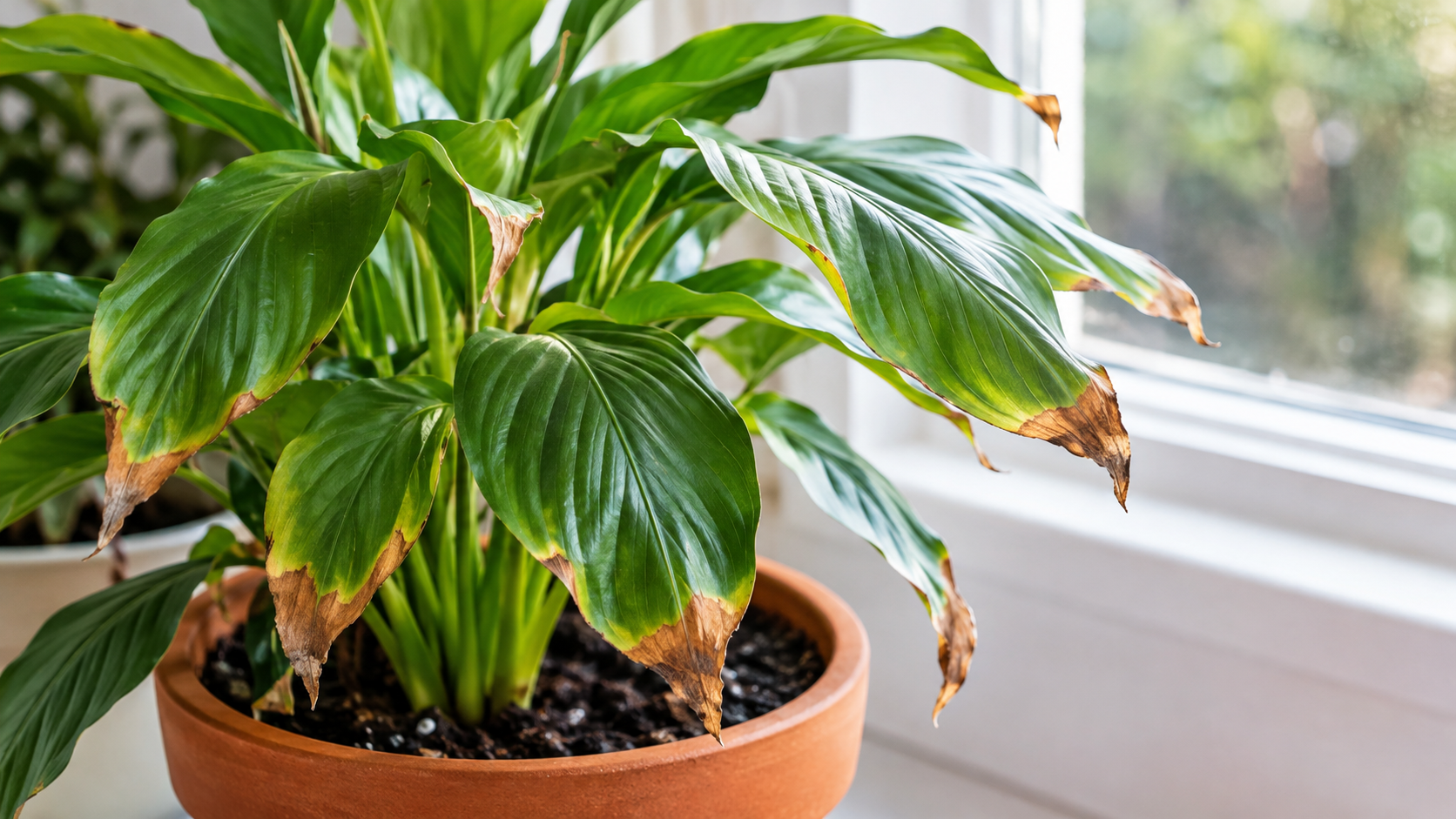
How to Use a Wall Shadow to Assess Light Levels in a Room
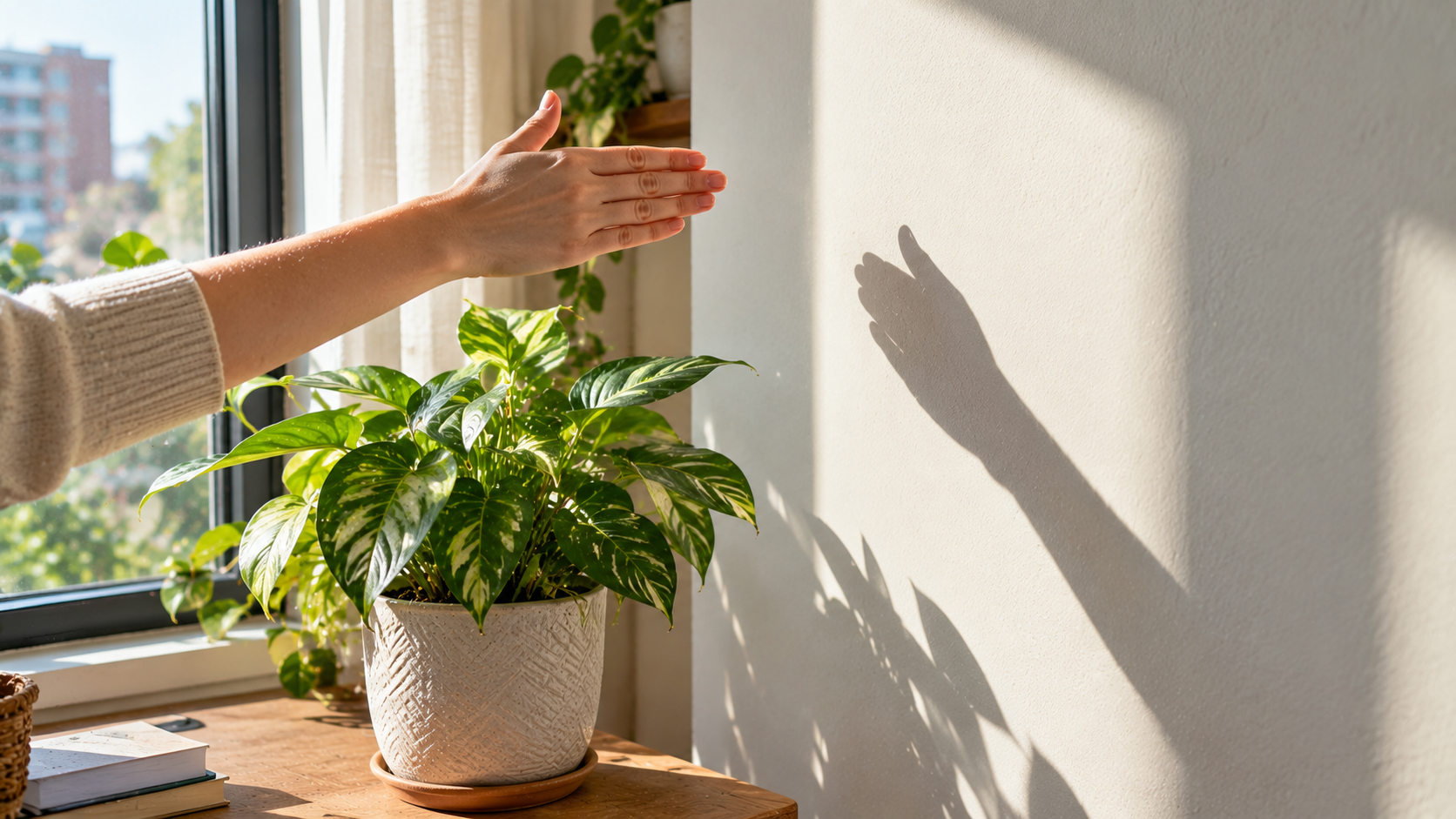
When choosing a place for a houseplant, a room may look bright to your eyes but still provide less light than the plant needs. One simple way to investigate is to observe the shadow cast by your hand on a nearby wall. The shadow’s sharpness, darkness, and definition can offer clues about the amount of … Read more
Why Fertilizing a Stressed Plant May Not Solve the Problem

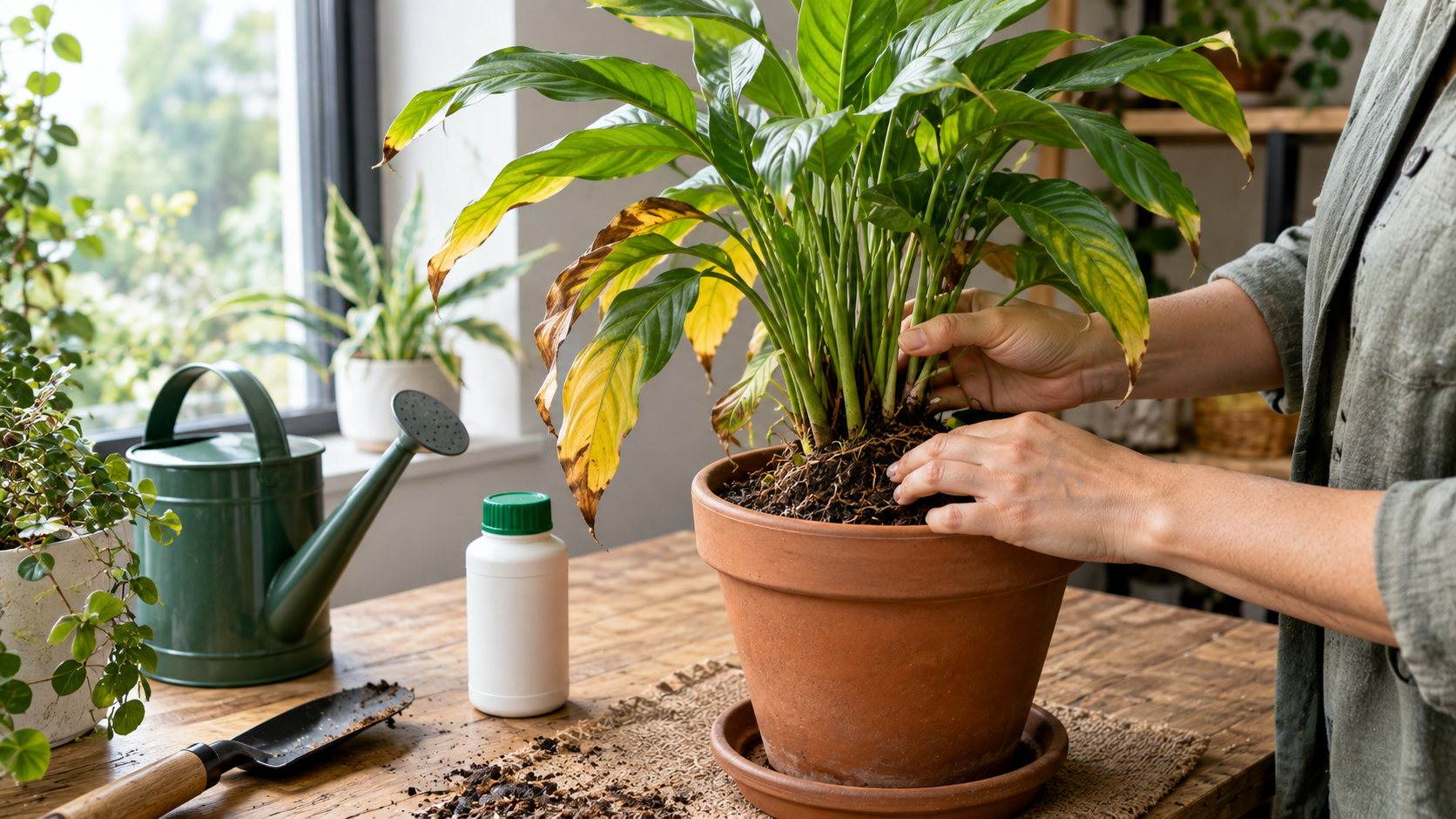
When a houseplant develops yellow leaves, drooping stems, brown edges, or unusually slow growth, adding fertilizer may seem like the quickest way to help. After all, plants need nutrients to grow. However, fertilizer cannot correct every cause of poor plant health, and applying it to an already stressed plant may make the situation worse. A … Read more

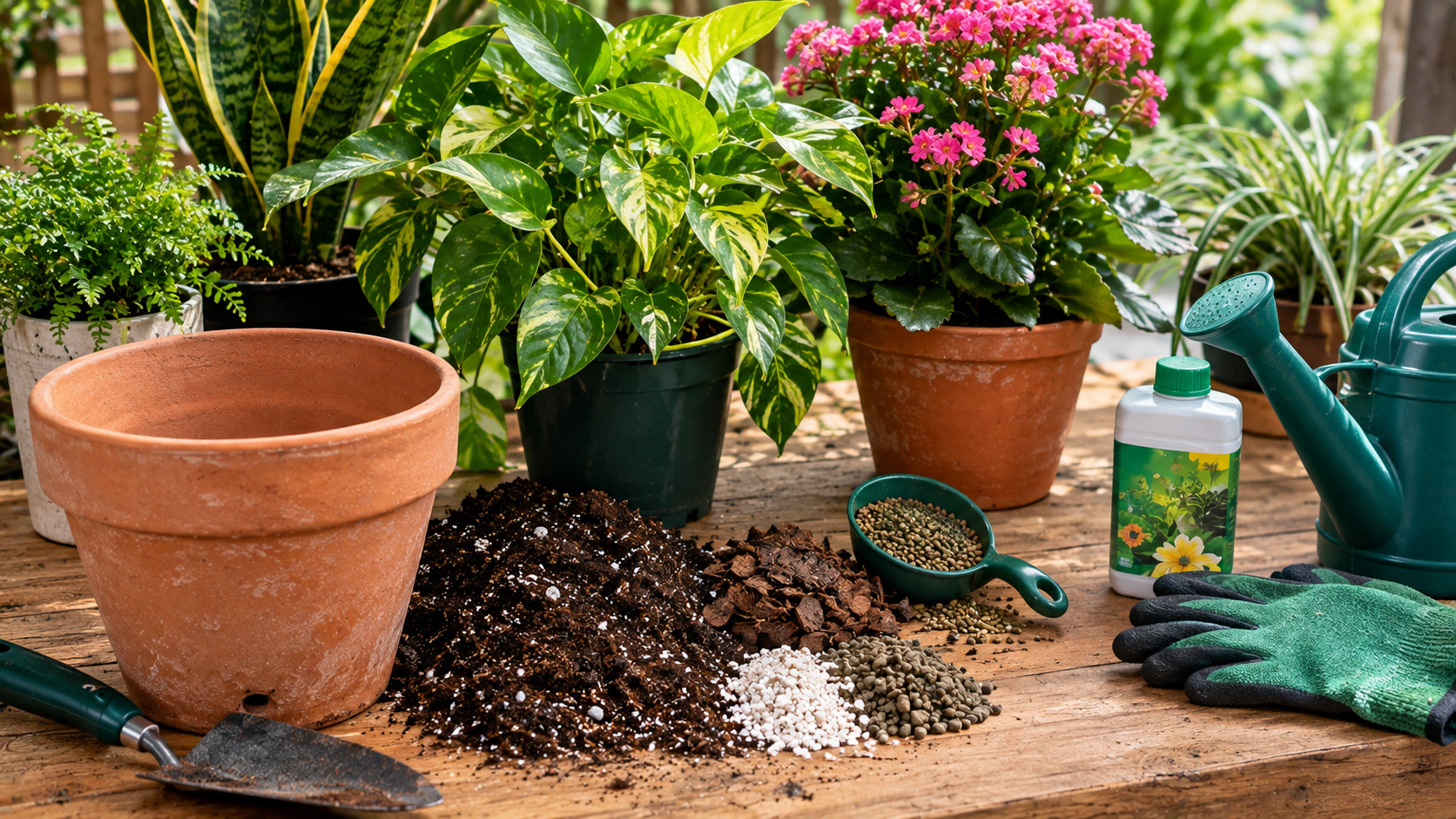
Pots, Potting Mix, Fertilizing, and Maintenance: A Practical Guide to Healthy Houseplants

Choosing the right pot, using a suitable potting mix, providing nutrients, and maintaining a consistent care routine can make a significant difference to the health of houseplants. Yet these tasks are often misunderstood. A plant with yellow leaves, slow growth, or wilting may not need more water or fertilizer; it may have compacted potting mix, … Read more

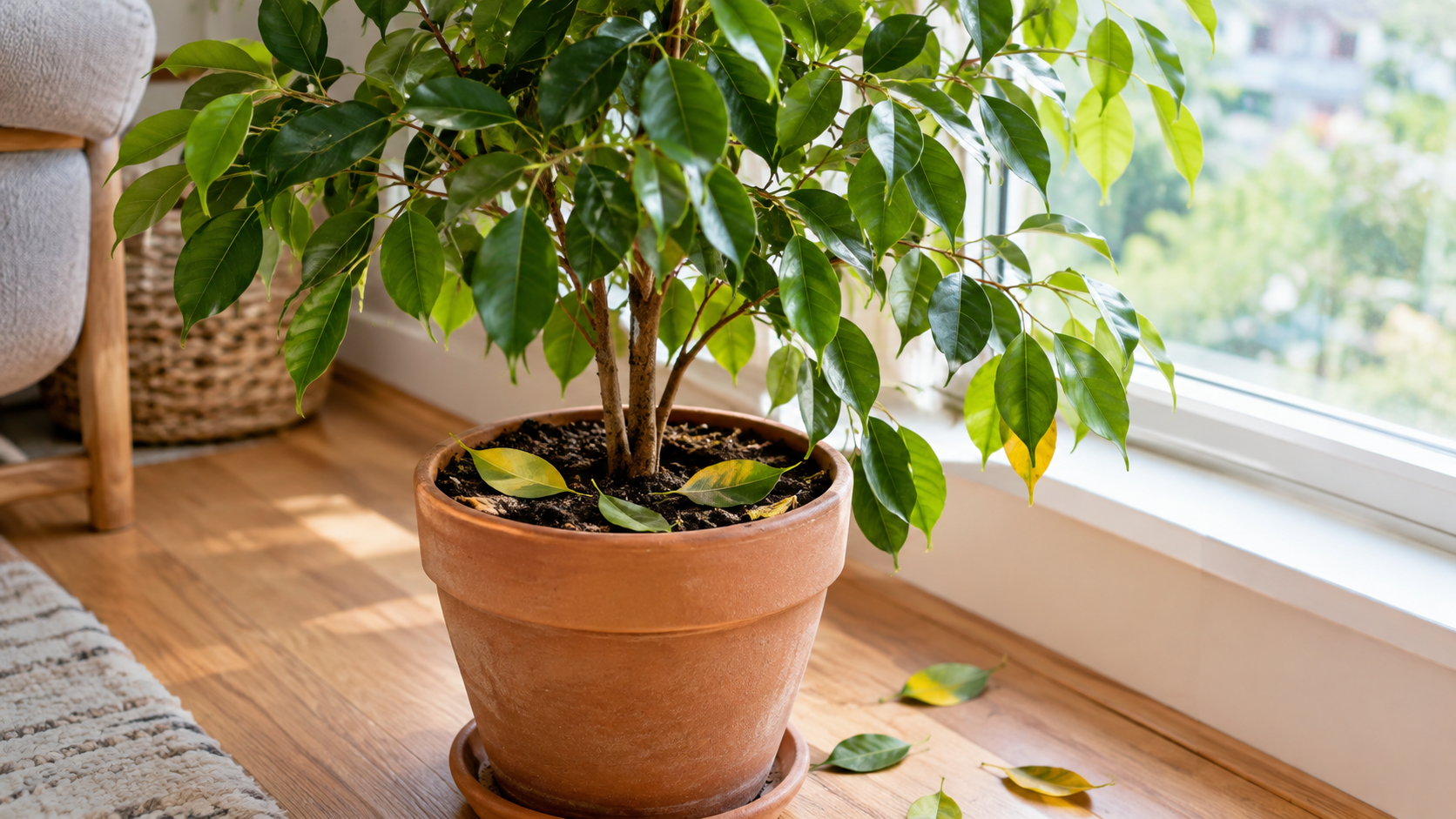
A Plant Losing Leaves After Being Moved: How to Help It Adjust

A houseplant that starts dropping leaves after being moved to another room, placed near a different window, or brought home from a garden center may be reacting to a sudden change in its environment. Although this can be worrying, leaf loss does not always mean the plant is dying. Many plants need time to adjust … Read more

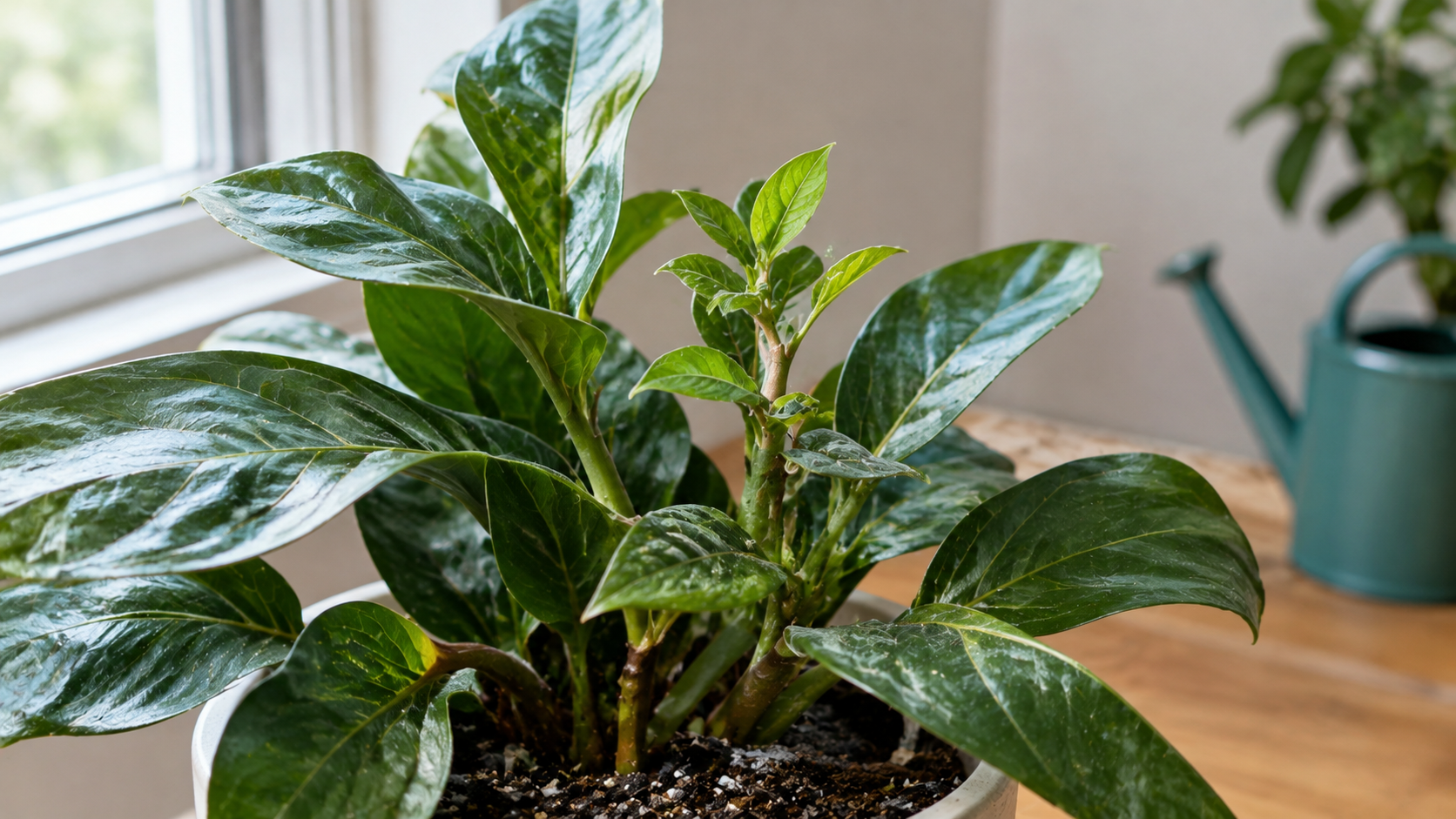
Why Are New Leaves Growing Small? Factors That May Be Limiting Plant Growth

When a houseplant produces new leaves that are noticeably smaller than its older foliage, it can be a sign that something in its growing environment has changed. The plant may be receiving less light, struggling with damaged roots, lacking available nutrients, or adjusting to a new location. In some cases, however, small leaves are simply … Read more

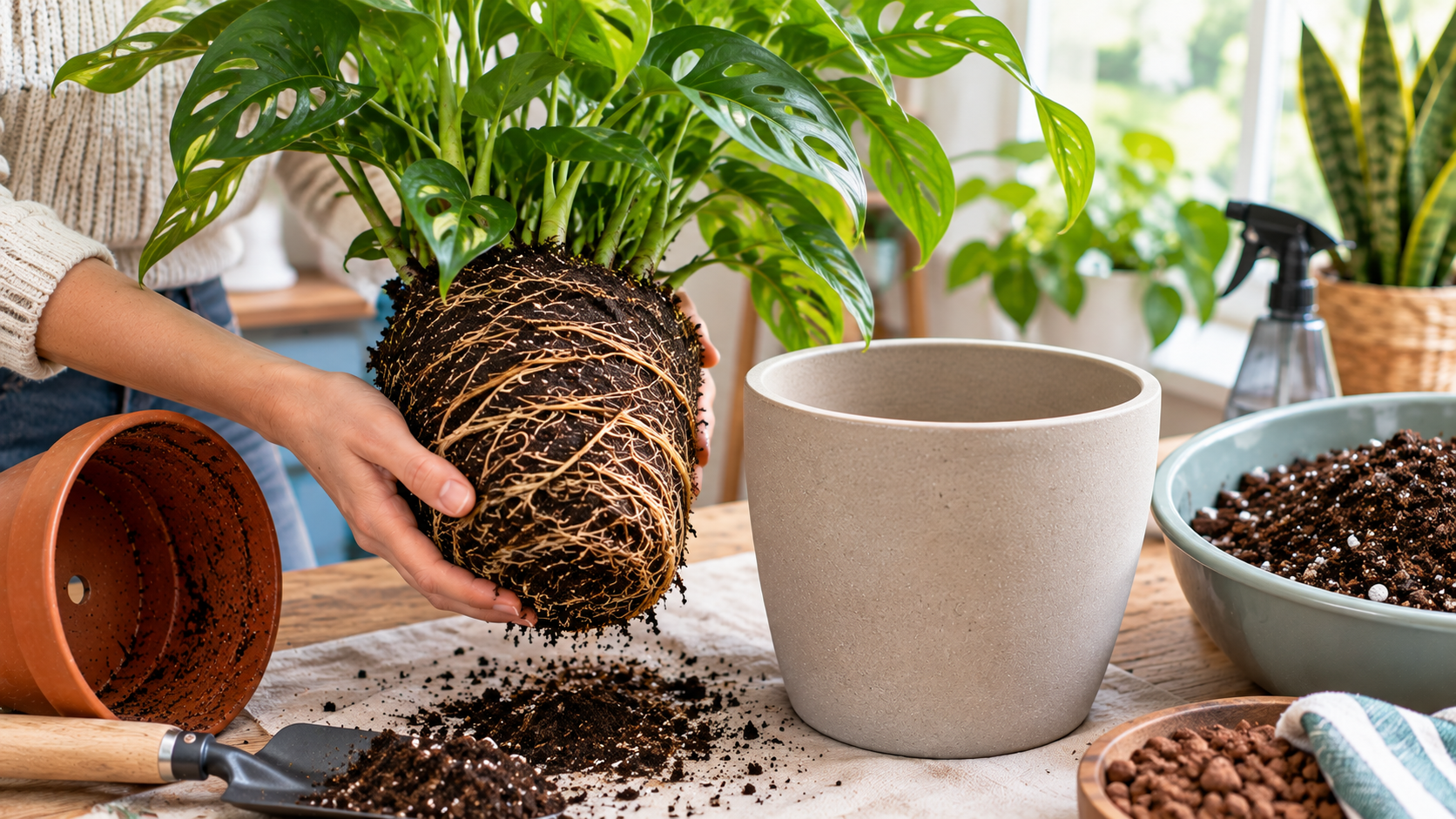
When to Repot a Plant: Signs to Watch for Before Transplanting

A plant can remain in the same pot for months or even years, but eventually its roots, growing medium, or overall growth may indicate that conditions need to change. Knowing when to repot a plant helps prevent root congestion, improves growing conditions, and gives the plant a better chance to develop healthy new leaves. However, … Read more

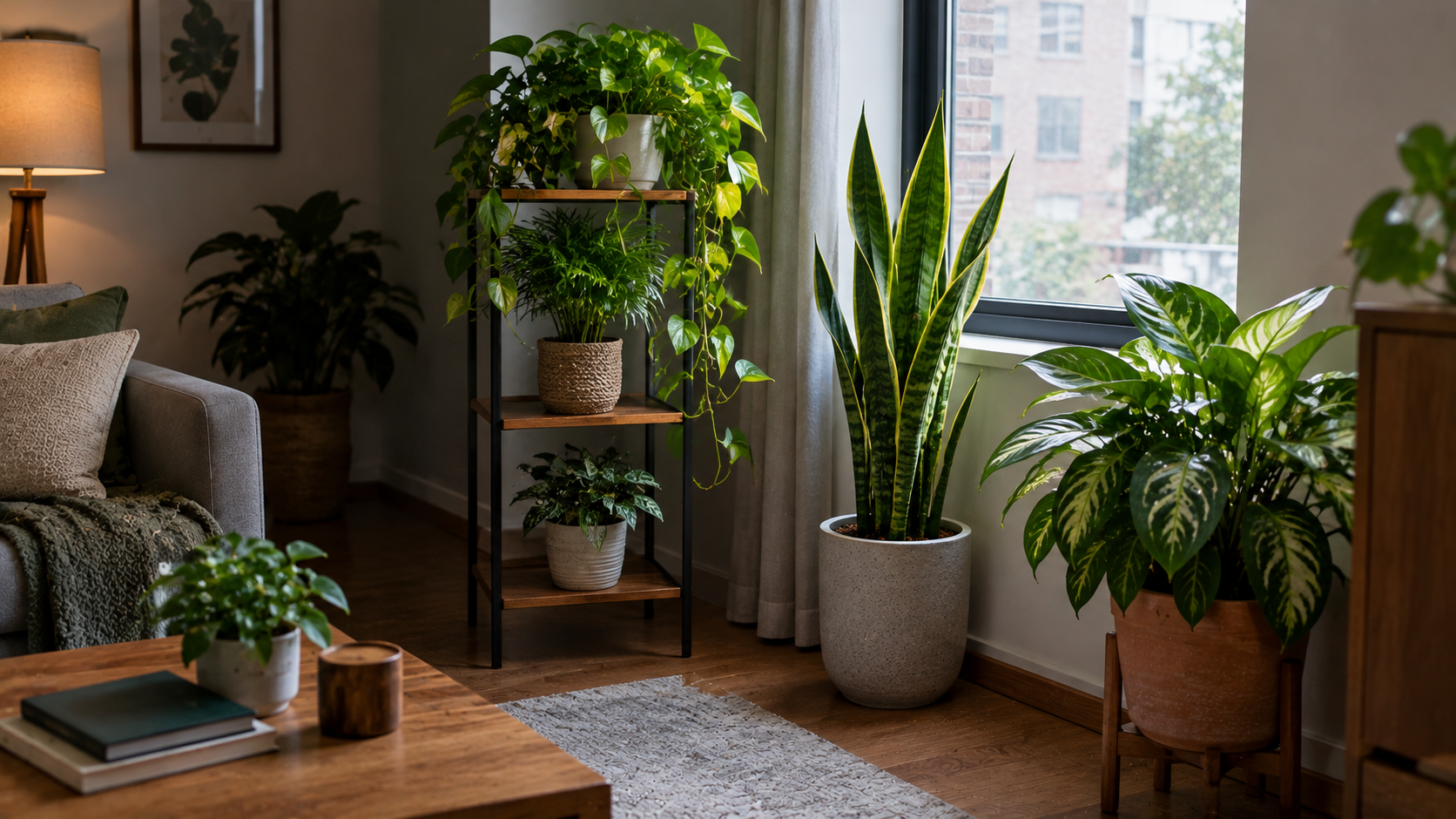
How to Arrange Potted Plants in a Home With Little Natural Light

A home with small windows, shaded rooms, or buildings blocking the sunlight can still accommodate beautiful indoor plants. The challenge is deciding which plants belong near the windows, which can tolerate dimmer corners, and how to arrange pots so that every plant receives enough light to remain healthy. The key is to organize your plants … Read more

Plants Near a Window: How to Use Natural Light Without Burning the Leaves

Placing houseplants near a window is one of the easiest ways to provide natural light indoors. However, a spot that looks bright and comfortable to you may expose certain plants to more direct sunlight than they can tolerate. Leaves can develop pale patches, dry brown edges, or scorched areas, especially after a plant is moved … Read more

Brown Leaf Tips: How to Tell Whether the Problem Is Water, Environment, or Fertilizer

Brown tips on houseplant leaves can be frustrating, especially when the rest of the plant looks healthy. You may notice the edges becoming dry and crispy, the tips turning dark, or the damage gradually spreading across several leaves. Even when you follow a regular watering schedule, the problem can continue. The challenge is that brown … Read more