Gardening on a Budget: How to Plan Purchases and Avoid Unnecessary Expenses
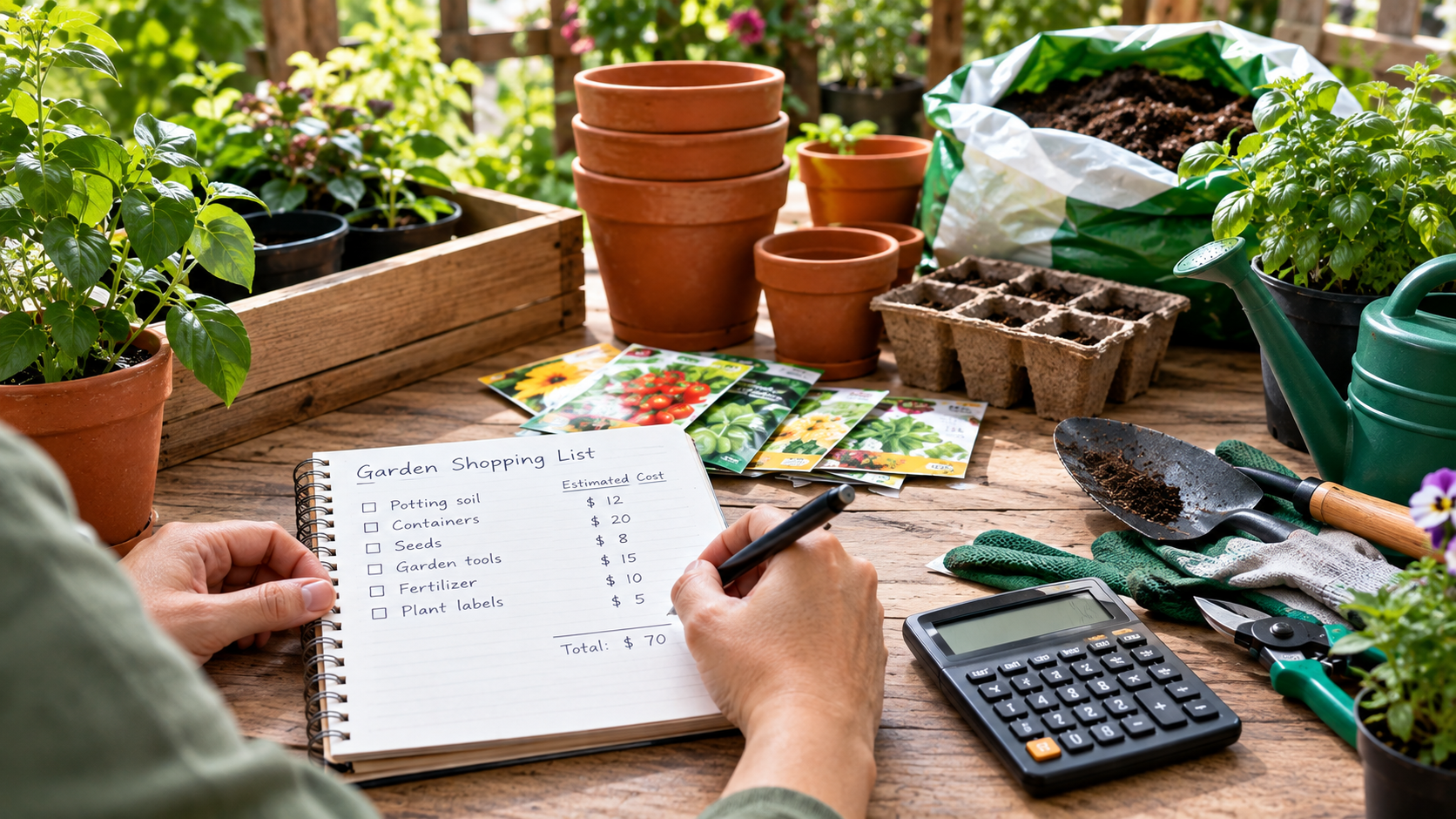
Starting a garden can be exciting, but the cost of plants, pots, soil, tools, and maintenance supplies can quickly exceed expectations. A few inexpensive purchases may seem harmless, yet buying items without a plan can leave you with duplicate tools, unsuitable plants, and supplies you rarely use. The most effective way to save money on … Read more
How to Create a Small Herb Garden on a Balcony with Limited Space

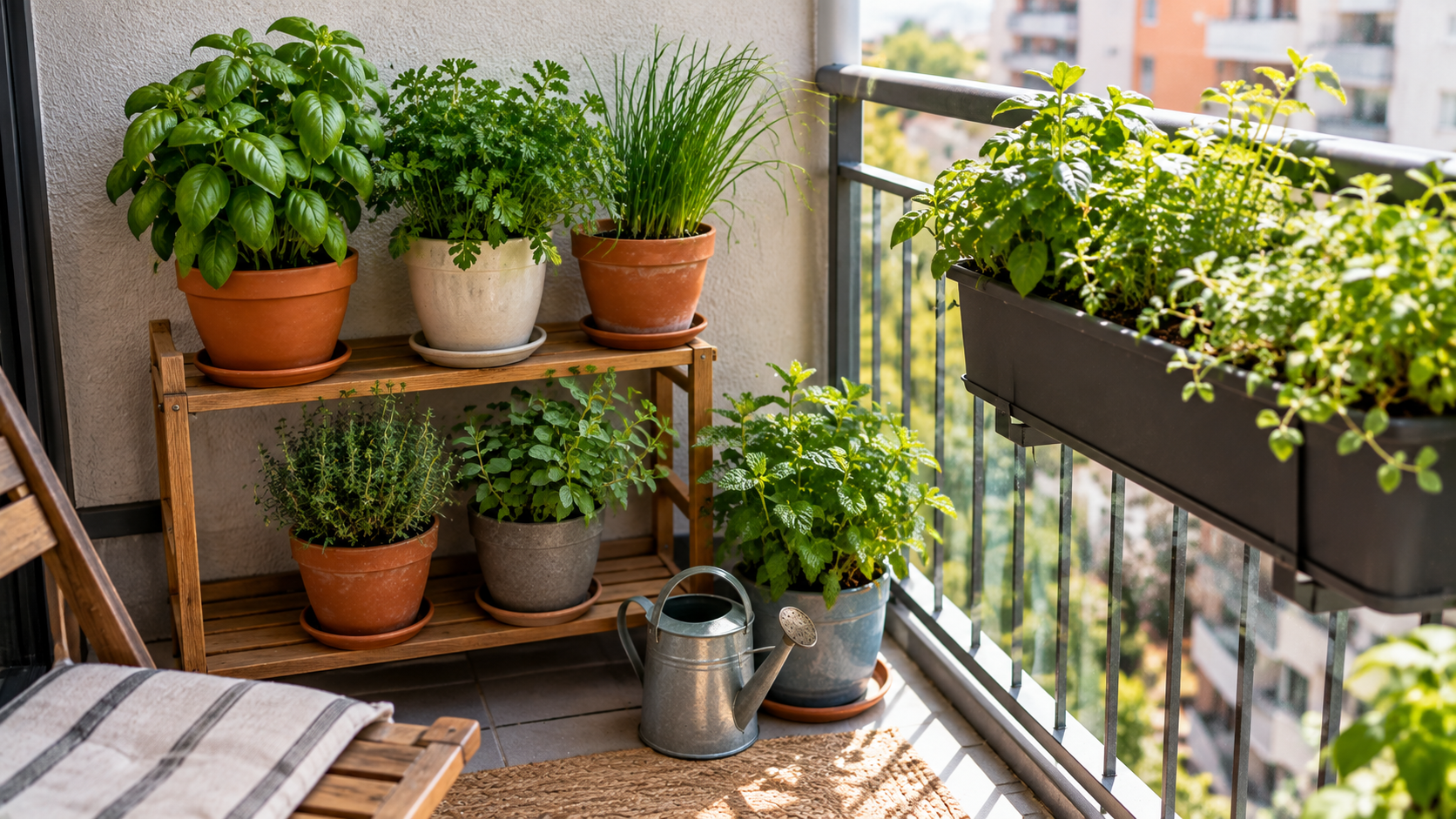
A small balcony can provide enough room to grow fresh herbs for everyday cooking, even if you only have a few pots and a narrow corner available. With the right plants, suitable containers, and a practical arrangement, you can harvest fragrant leaves for salads, sauces, soups, and teas without turning your outdoor space into a … Read more

How to Care for an Areca Palm and Keep Its Leaves Looking Healthy

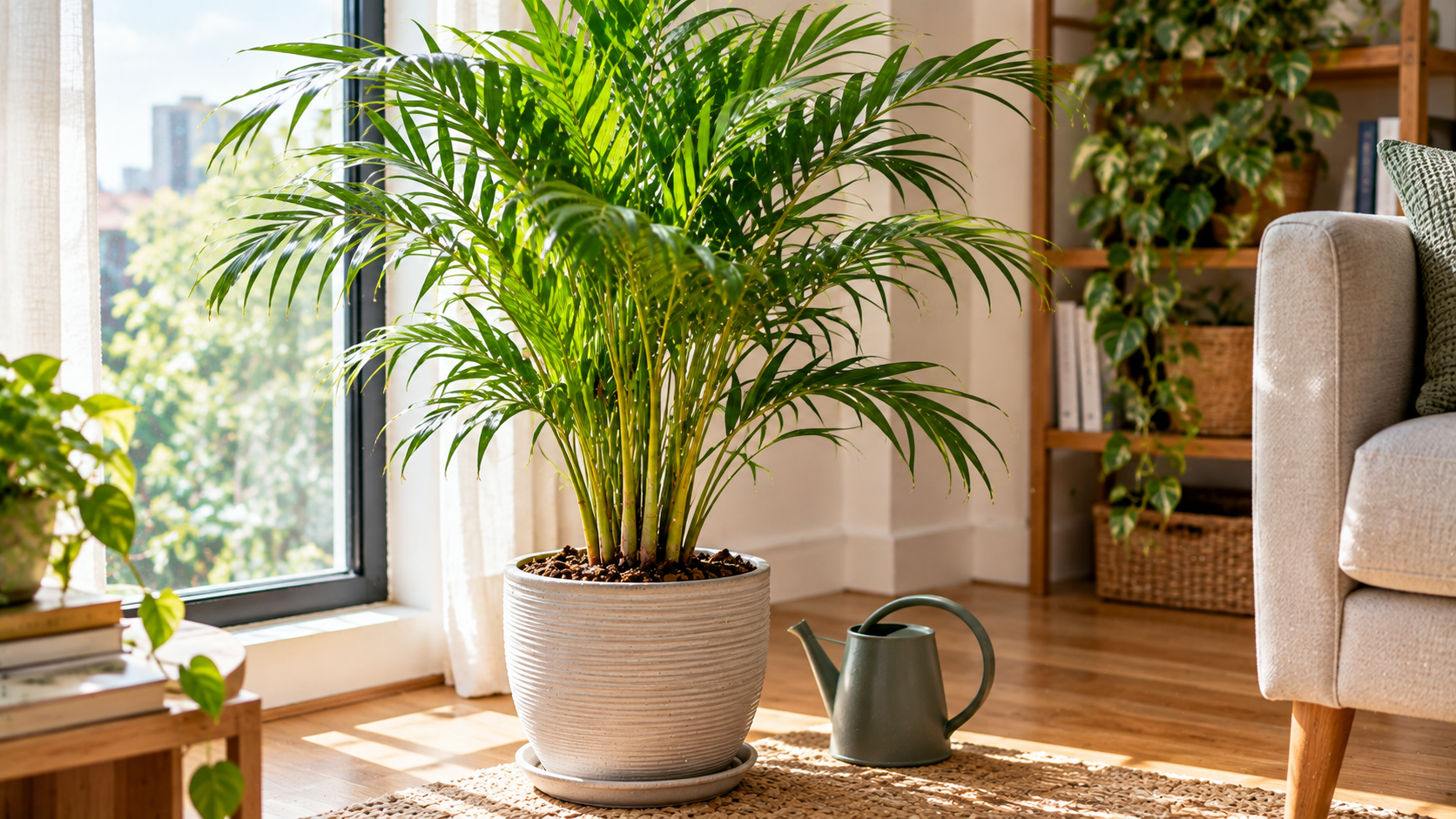
An areca palm can bring a lush, tropical look to a living room, office, or bright bedroom. Its graceful, feathery fronds and clustered golden-green stems make it an attractive indoor plant, but brown tips, yellowing leaves, and drooping foliage can gradually spoil its appearance. The key to keeping an areca palm healthy is to balance … Read more

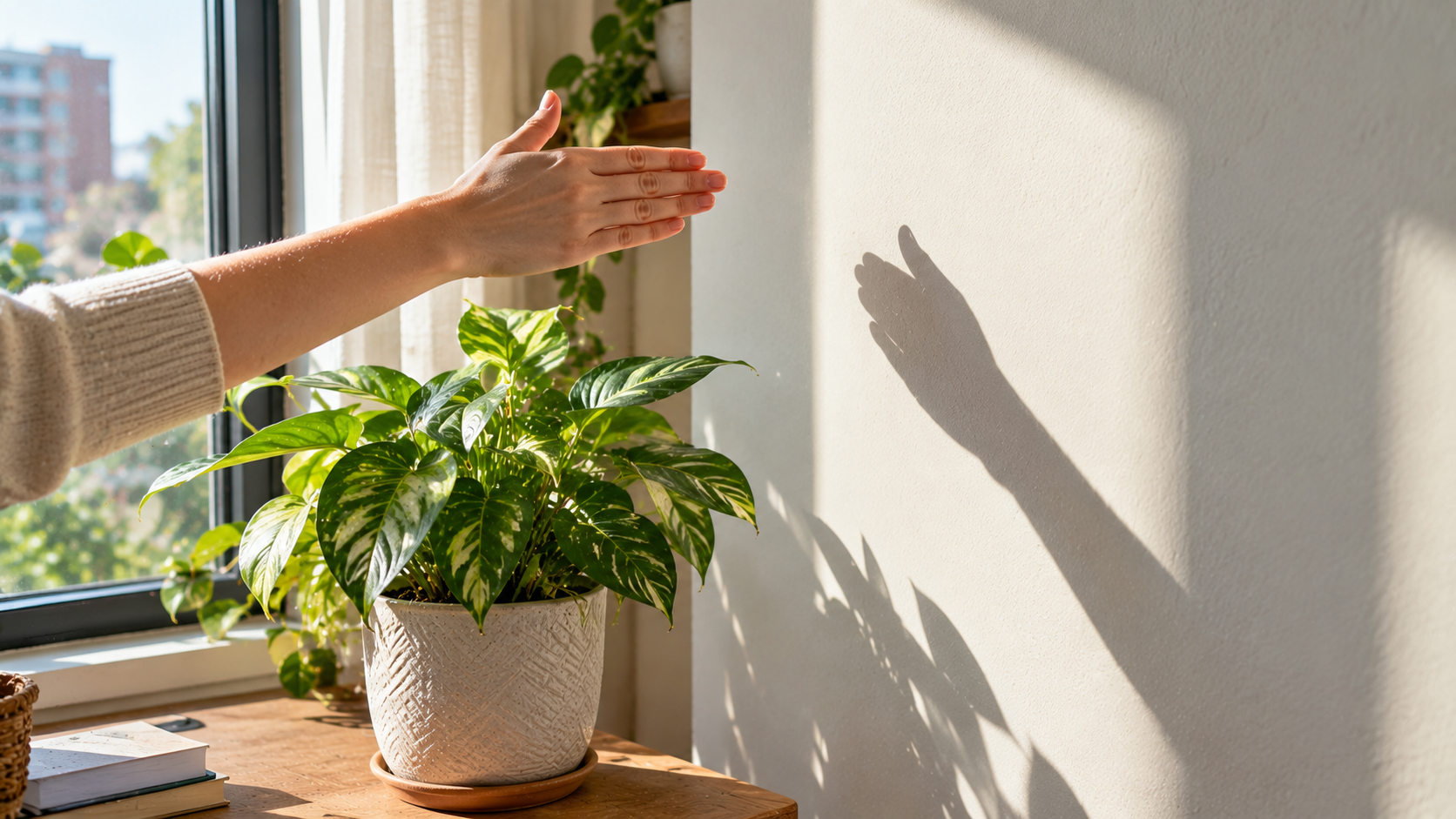
How to Use a Wall Shadow to Assess Light Levels in a Room

When choosing a place for a houseplant, a room may look bright to your eyes but still provide less light than the plant needs. One simple way to investigate is to observe the shadow cast by your hand on a nearby wall. The shadow’s sharpness, darkness, and definition can offer clues about the amount of … Read more

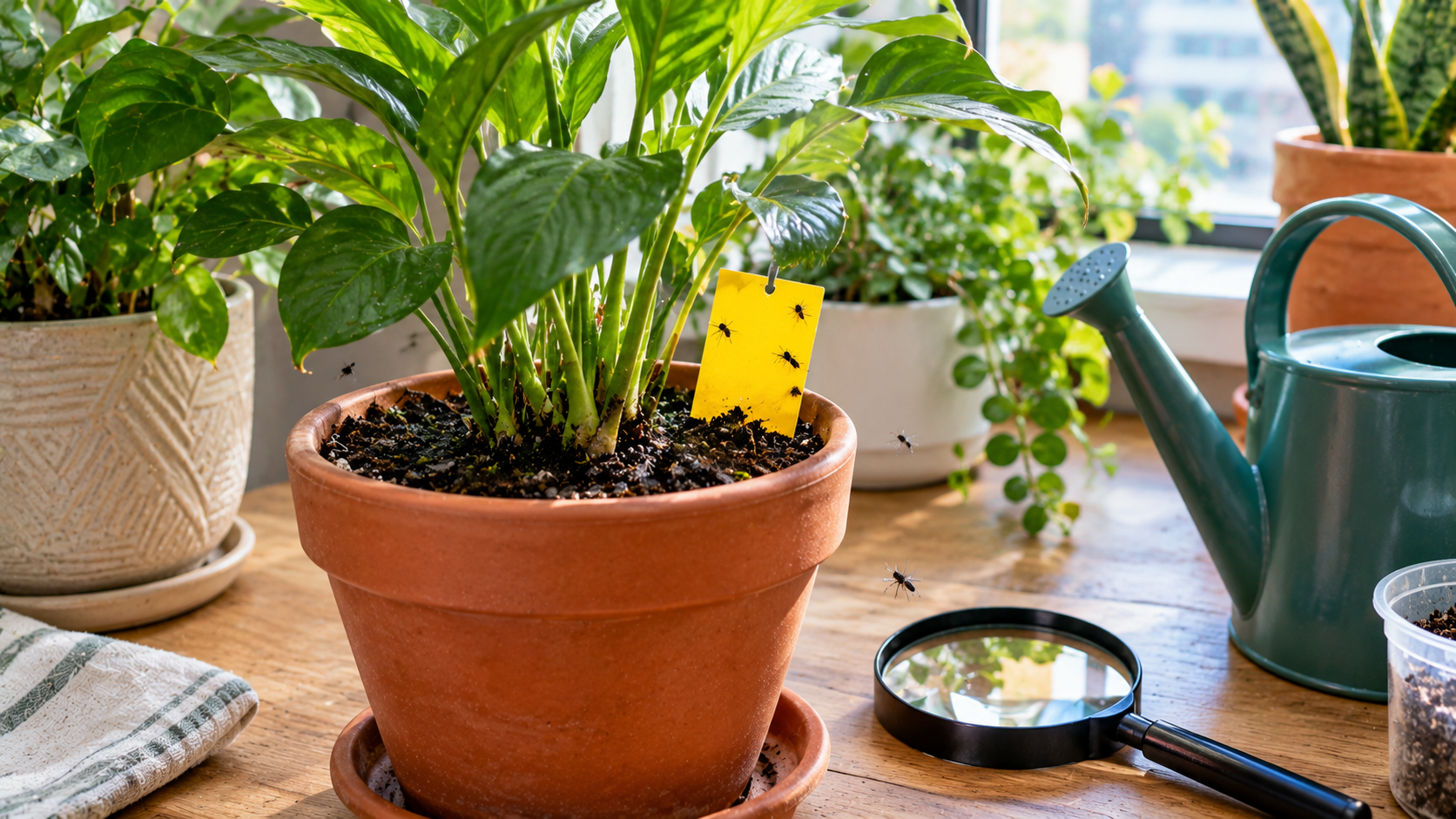
Fungus Gnats in Plant Pots: How to Identify the Source and Control the Problem

Tiny black flies hovering around a houseplant can be frustrating, especially when they seem to return a few days after you remove them. In many cases, these insects are fungus gnats, small flies that thrive in moist potting soil rich in organic matter. Although adult gnats are usually more annoying than dangerous to mature plants, … Read more

How to Isolate an Infested Plant Without Putting Your Entire Collection at Risk

Finding tiny insects, sticky leaves, fine webbing, or unusual spots on a houseplant can be worrying when you have several plants growing close together. Some pests spread to nearby plants, while certain diseases can move through contaminated tools, plant debris, or water. Acting quickly can reduce the risk, but moving one pot to another corner … Read more

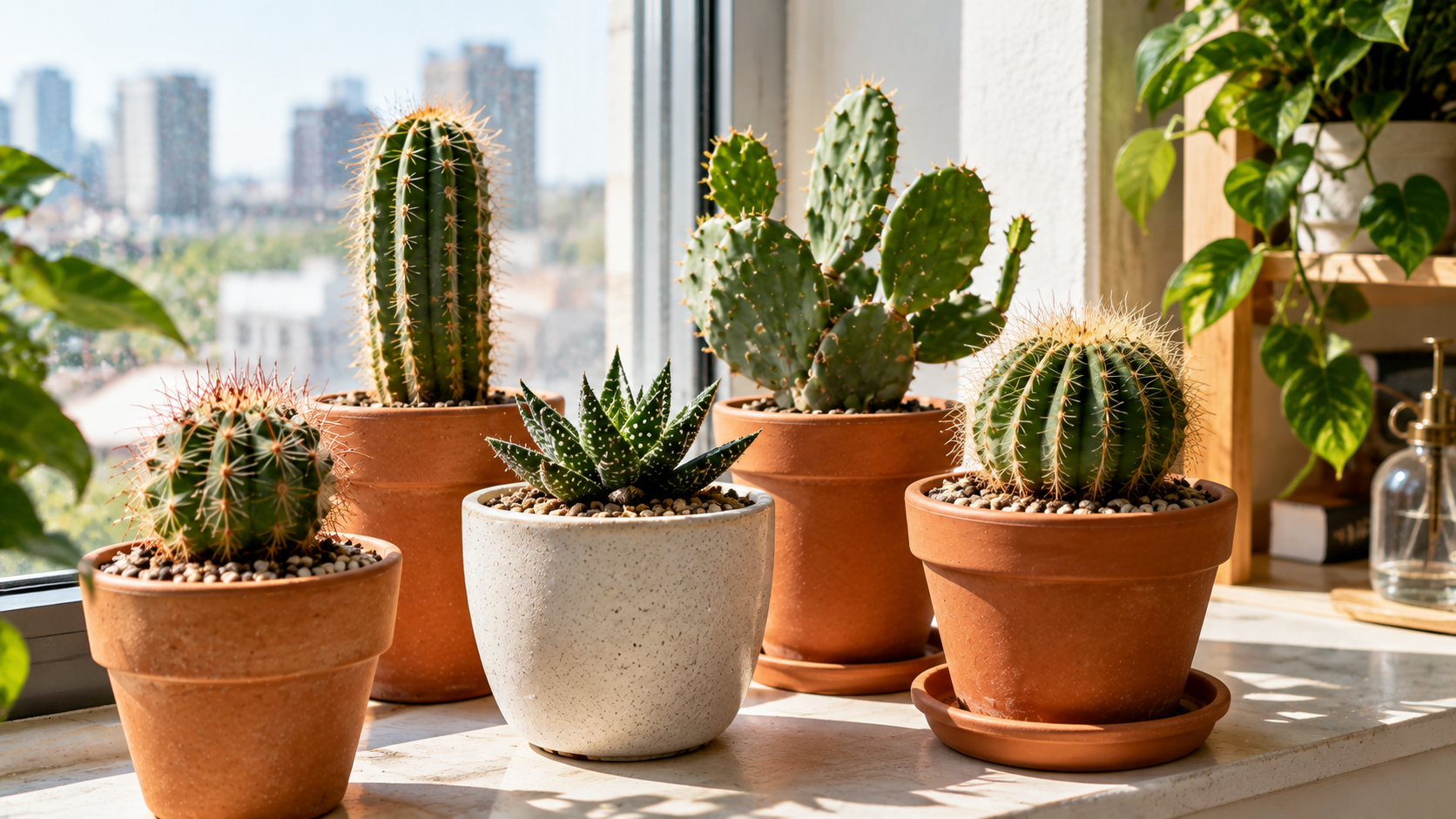
Cacti in an Apartment: How to Balance Sunlight, Watering, and Drainage

Cacti can thrive in an apartment, even when space is limited, but keeping them healthy requires more than placing a pot beside a window and watering occasionally. The biggest challenges are usually insufficient light, excess moisture, and soil that stays wet for too long. These problems often occur together: a cactus growing in a dim … Read more

Why Fertilizing a Stressed Plant May Not Solve the Problem

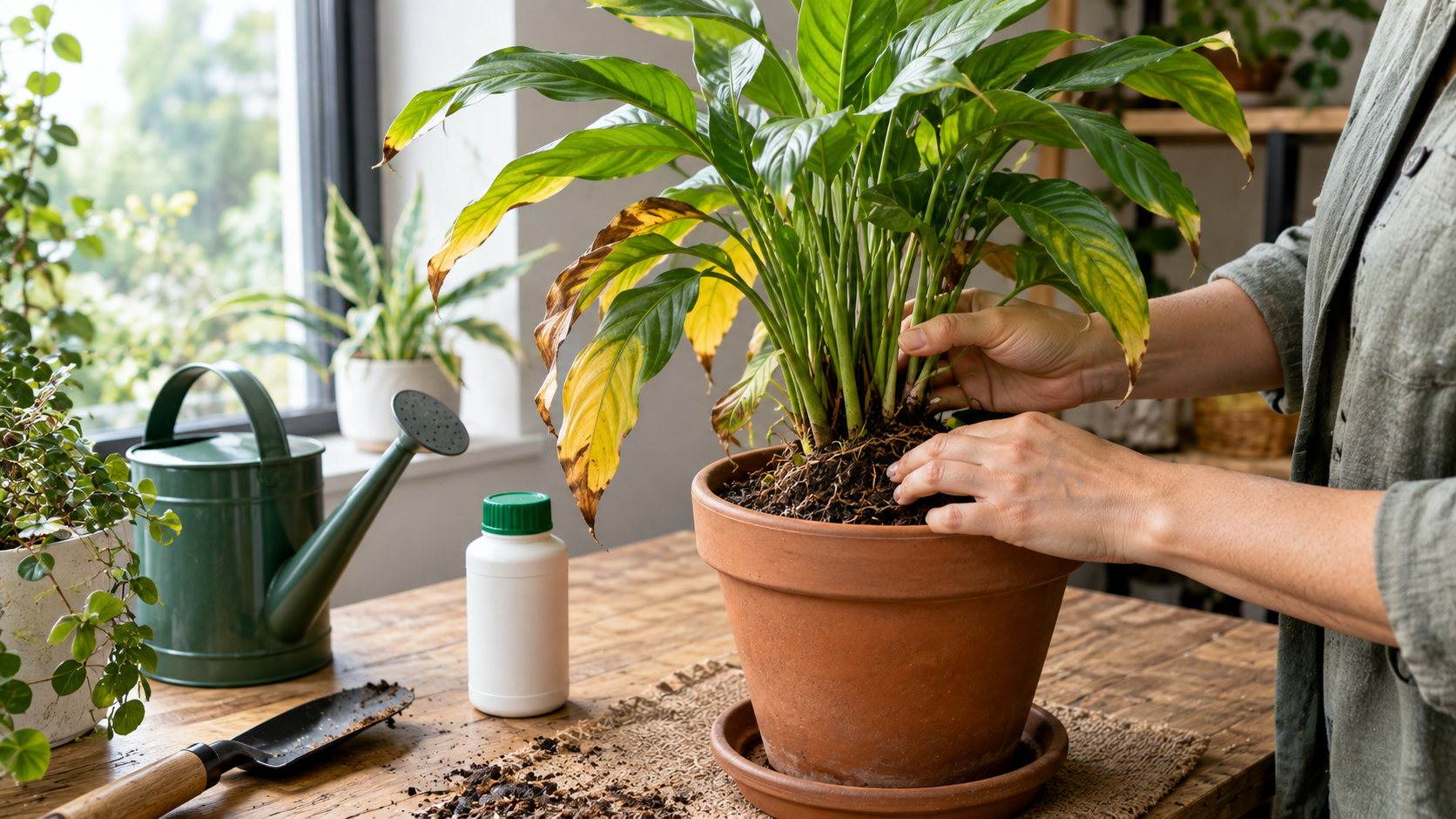
When a houseplant develops yellow leaves, drooping stems, brown edges, or unusually slow growth, adding fertilizer may seem like the quickest way to help. After all, plants need nutrients to grow. However, fertilizer cannot correct every cause of poor plant health, and applying it to an already stressed plant may make the situation worse. A … Read more

Houseplants in a Small Apartment: How to Arrange Pots Without Harming Your Plants

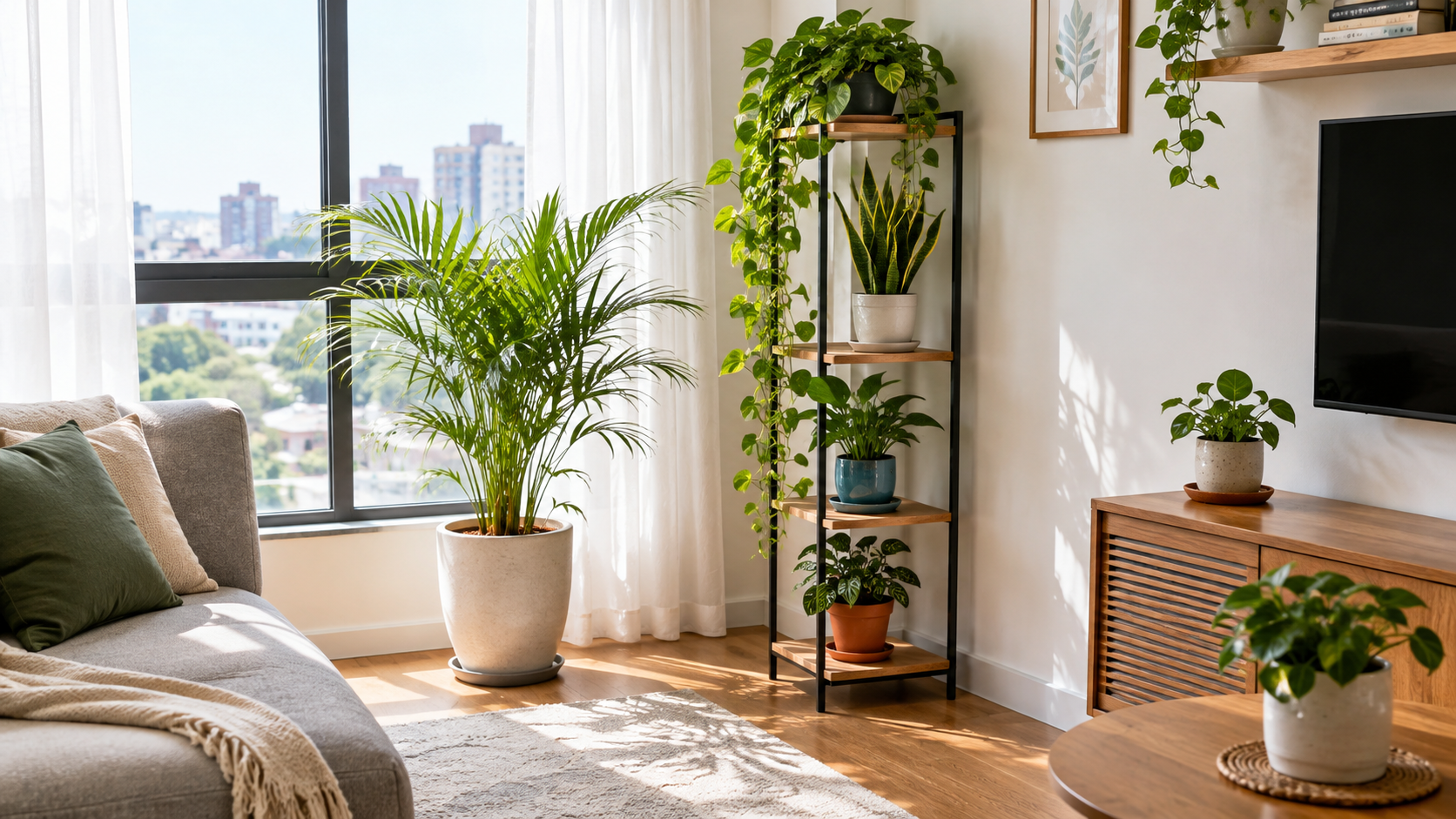
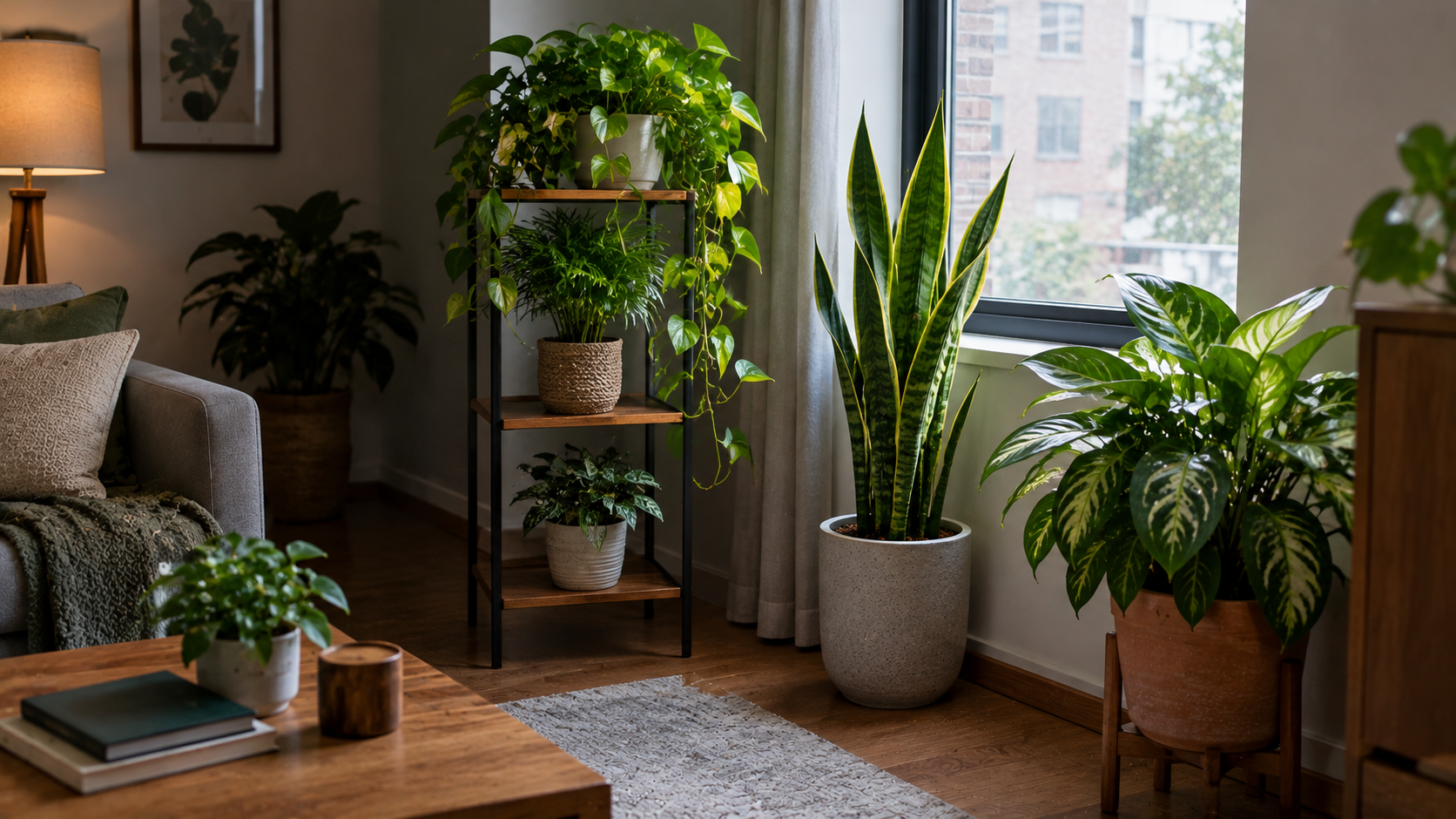
Living in a small apartment does not mean giving up on a beautiful indoor garden. Even with limited floor space, you can grow a variety of houseplants by using shelves, window areas, corners, and carefully selected plant stands. The key is to arrange pots according to each plant’s light requirements, growth habits, and watering needs … Read more

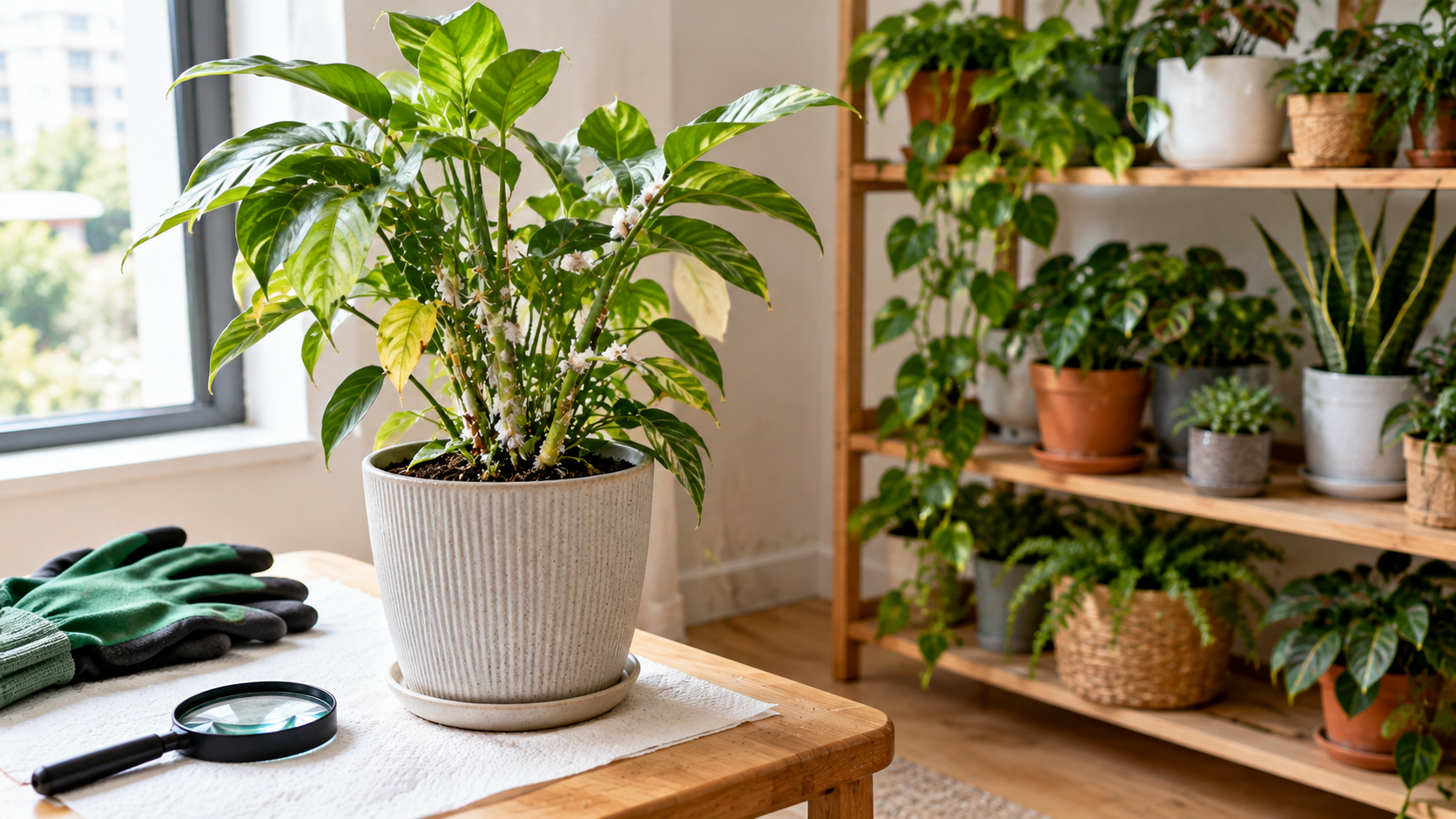
How to Identify Mealybugs on Plants and Reduce Infestations with Proper Care

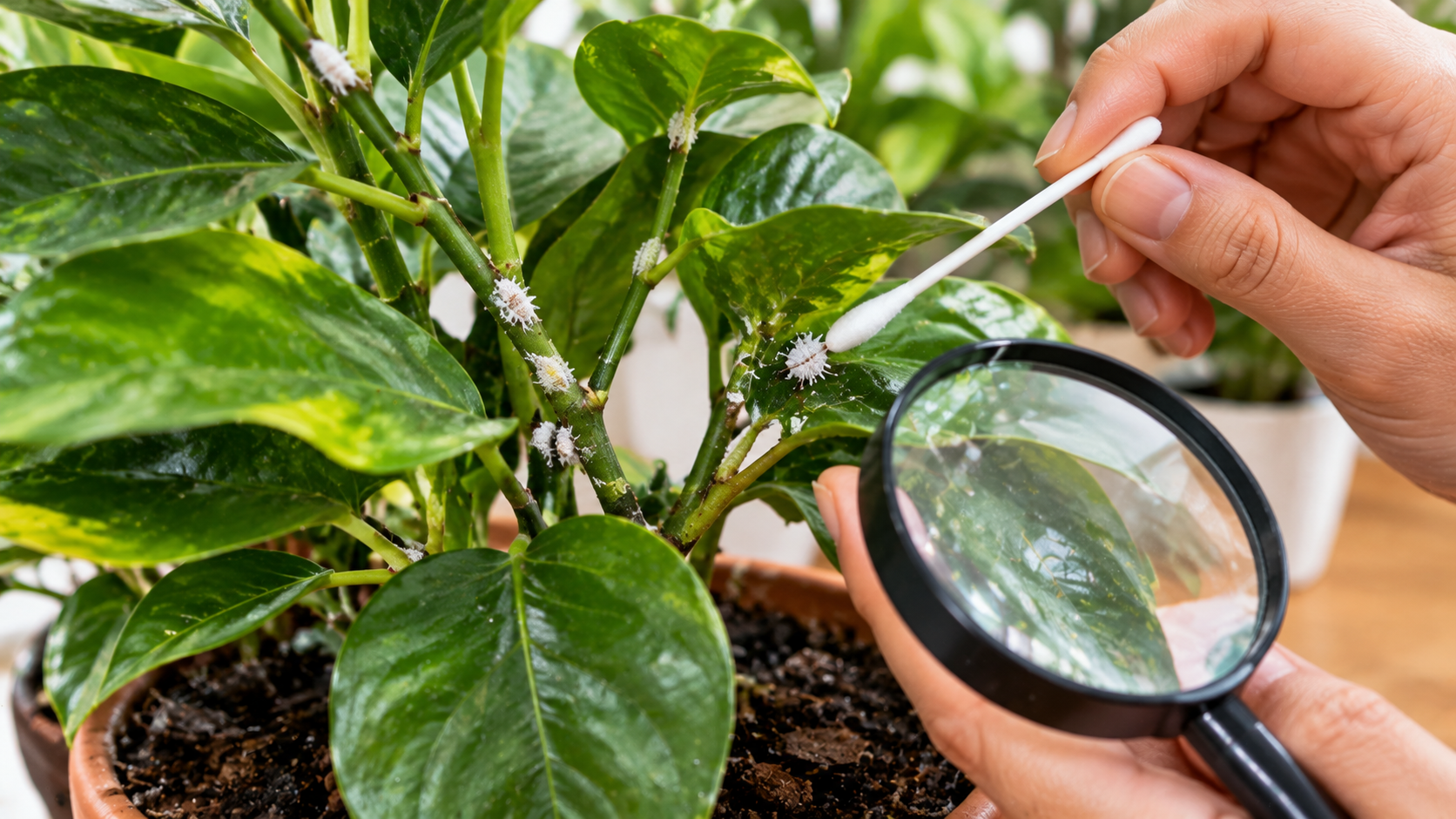
White, cotton-like patches on a plant’s stems or leaves can be an early warning sign of mealybugs. These small sap-feeding insects often hide in places that are easy to overlook, such as leaf joints, folded new growth, and the undersides of leaves. If left unchecked, they can weaken a plant, slow its growth, and spread … Read more

How to Inspect Your Plants Weekly to Spot Pests Early

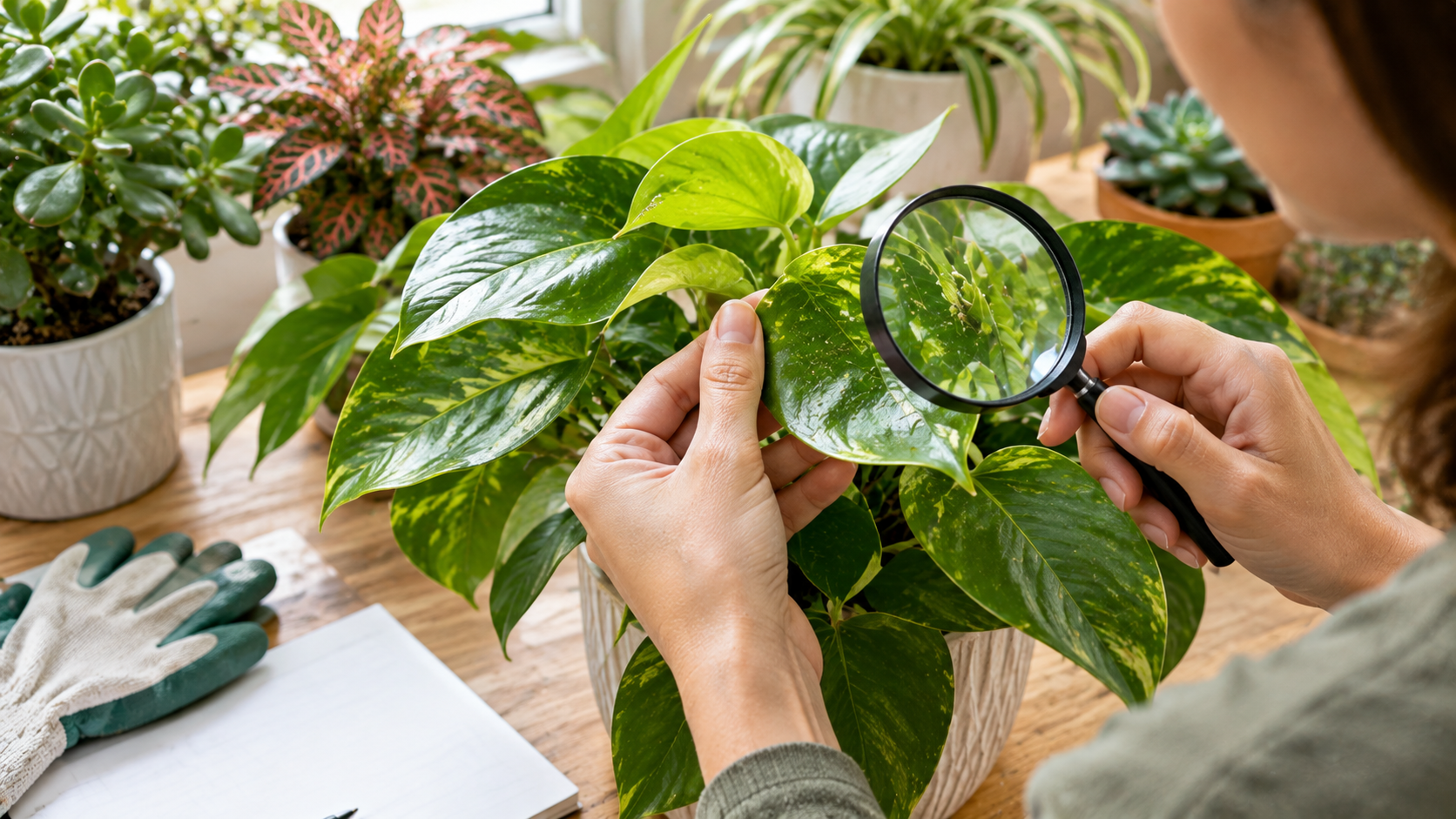
A plant can look healthy from a distance while tiny pests hide beneath its leaves, around new shoots, or where stems meet the soil. By the time leaves become badly damaged or begin to fall, an infestation may already have spread to nearby plants. A simple weekly inspection helps you notice early warning signs and … Read more

Elongated Succulents: Why They Lose Their Compact Shape and How to Improve Lighting

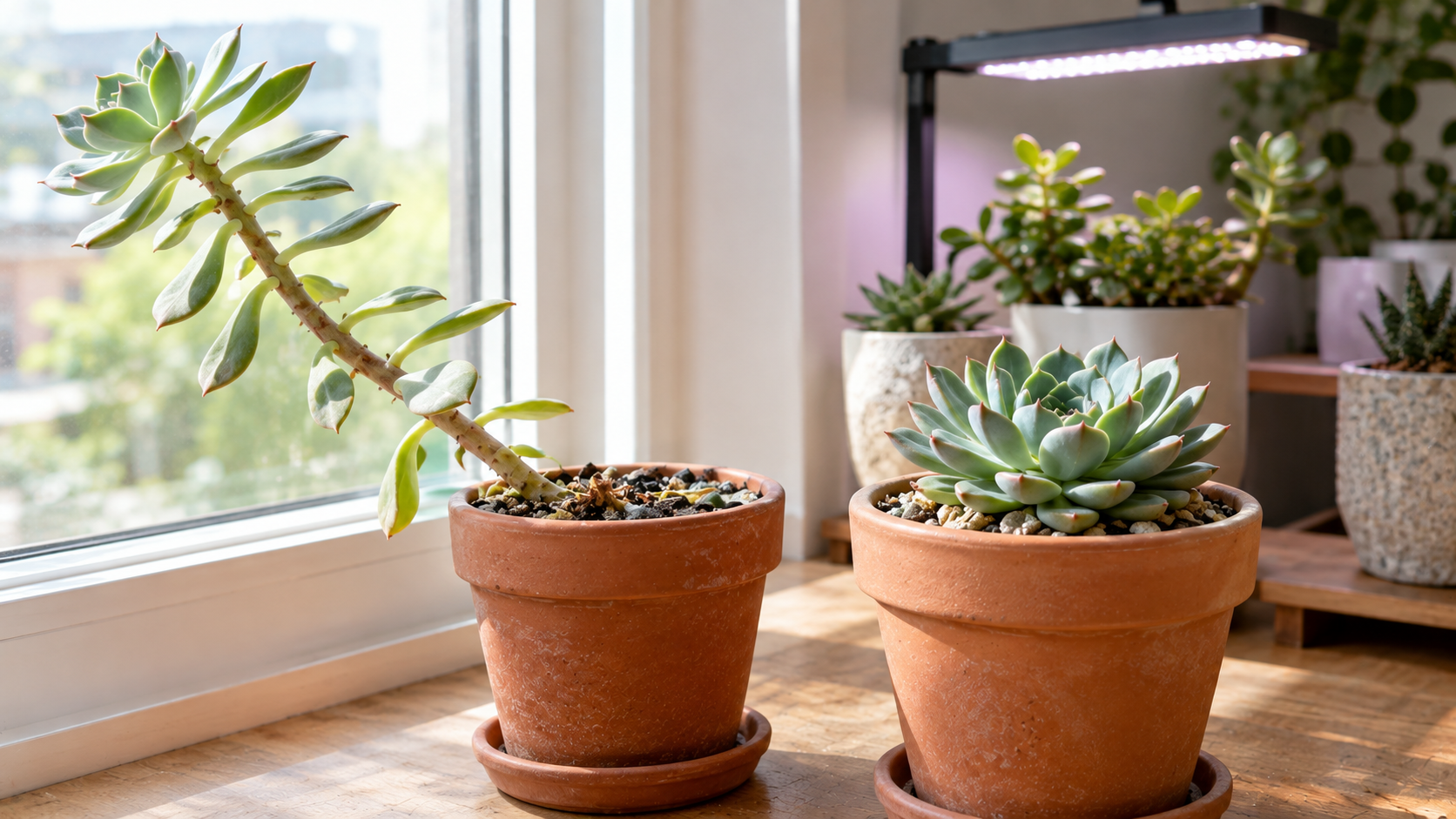
A succulent that once had a tight, symmetrical rosette may begin to grow tall, with widely spaced leaves and a thin stem. Other varieties develop long, weak branches or pale new growth. This change can be frustrating, especially when the plant still looks healthy in other ways. One of the most common causes is insufficient … Read more

Pots, Potting Mix, Fertilizing, and Maintenance: A Practical Guide to Healthy Houseplants

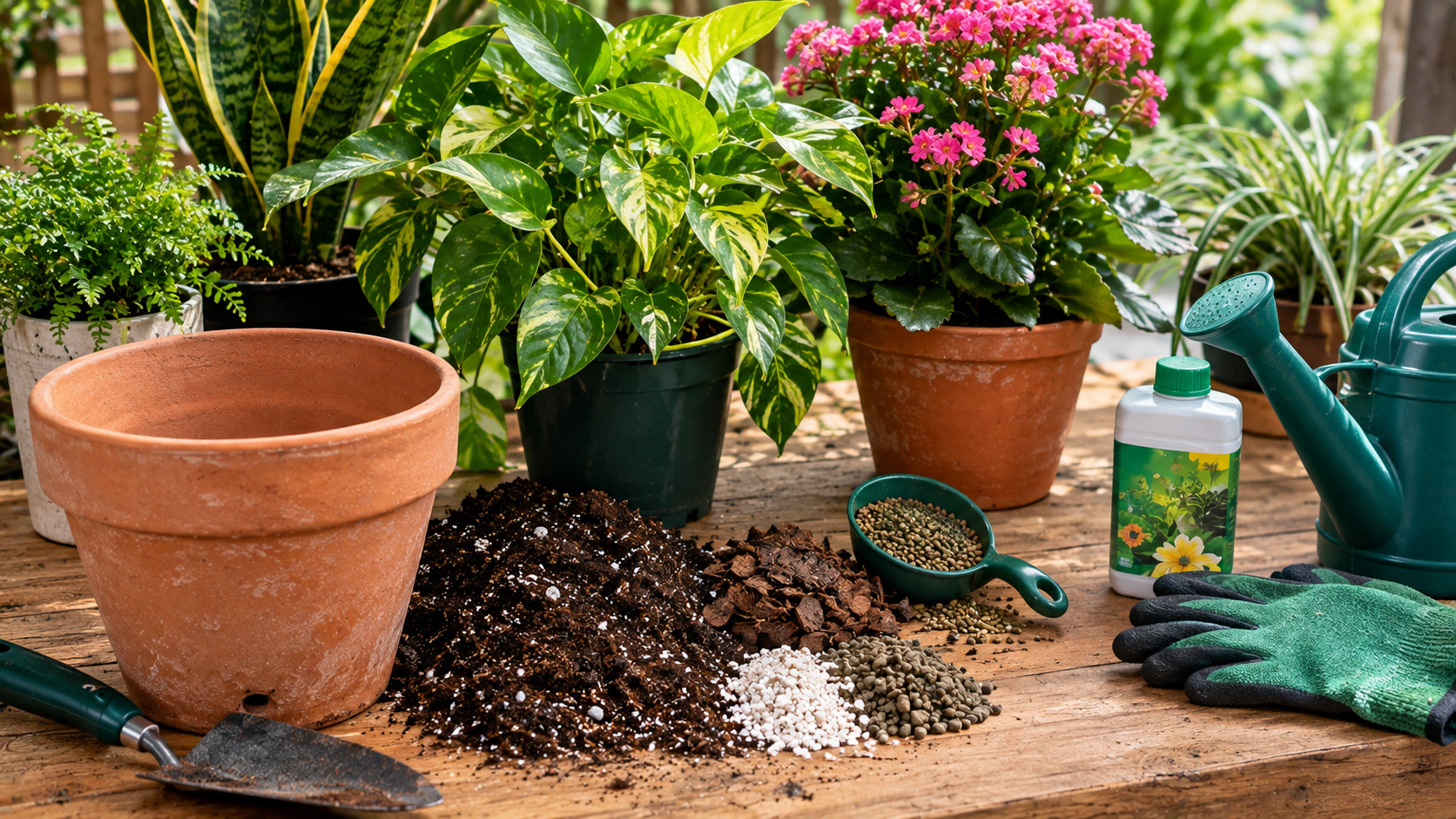
Choosing the right pot, using a suitable potting mix, providing nutrients, and maintaining a consistent care routine can make a significant difference to the health of houseplants. Yet these tasks are often misunderstood. A plant with yellow leaves, slow growth, or wilting may not need more water or fertilizer; it may have compacted potting mix, … Read more

Fertilizer for Houseplants: How to Choose the Right Product and Follow Instructions

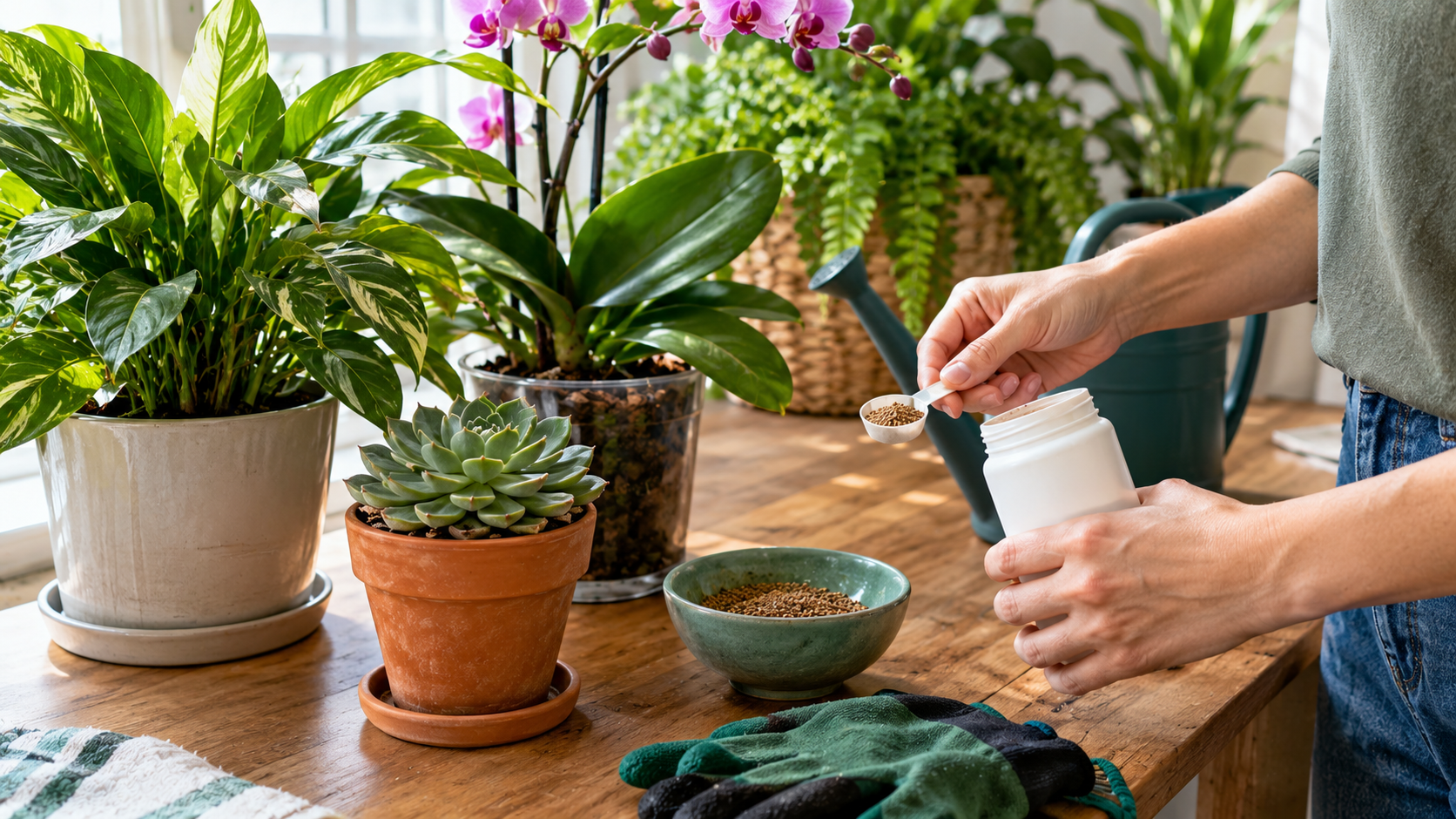
Choosing a fertilizer for houseplants can be confusing when garden centers offer liquid feeds, slow-release granules, organic products, and formulas designed for specific plants. Although fertilizer can support healthy growth, using the wrong product or applying too much may damage roots, cause leaf discoloration, or lead to excessive salt buildup in the potting mix. The … Read more

How to Adapt Plant Care During the Hottest Days of the Year

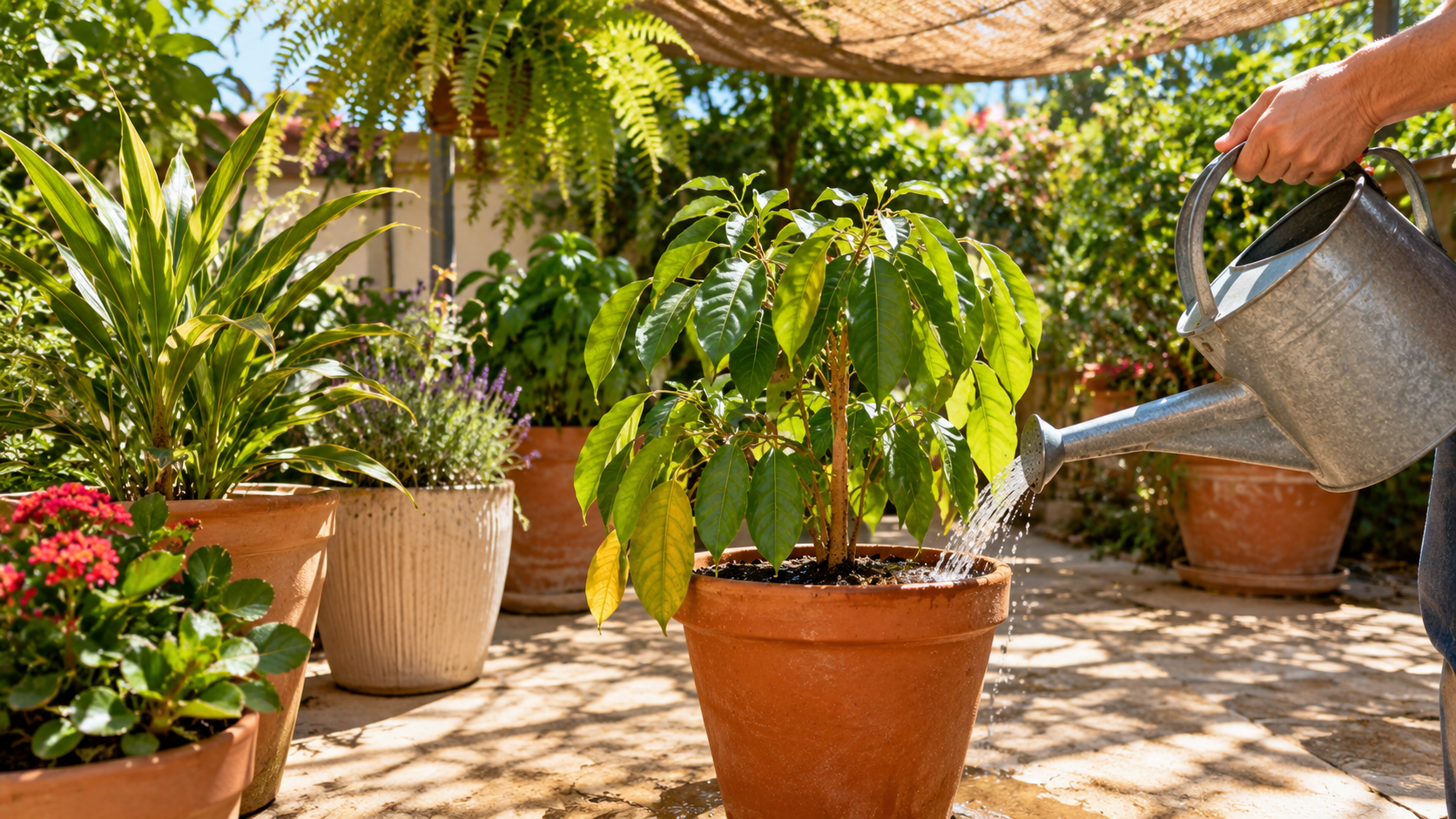
When temperatures rise, plants may begin to wilt, develop brown leaf edges, lose flowers, or dry out much faster than usual. Even a plant that looked healthy a few days earlier can struggle when intense sunlight, hot winds, and dry soil occur together. The solution is not simply to water everything more often. Different plants … Read more

A Plant Losing Leaves After Being Moved: How to Help It Adjust

A houseplant that starts dropping leaves after being moved to another room, placed near a different window, or brought home from a garden center may be reacting to a sudden change in its environment. Although this can be worrying, leaf loss does not always mean the plant is dying. Many plants need time to adjust … Read more

How to Divide Plant Clumps Without Compromising the Growth of Each Division

When a plant grows into a dense clump, its leaves may become crowded, flowering can decline, and the center may begin to look weak. Dividing the clump can help rejuvenate many perennial plants, create new specimens, and give overcrowded roots more room to develop. However, dividing too early, cutting in the wrong place, or leaving … Read more

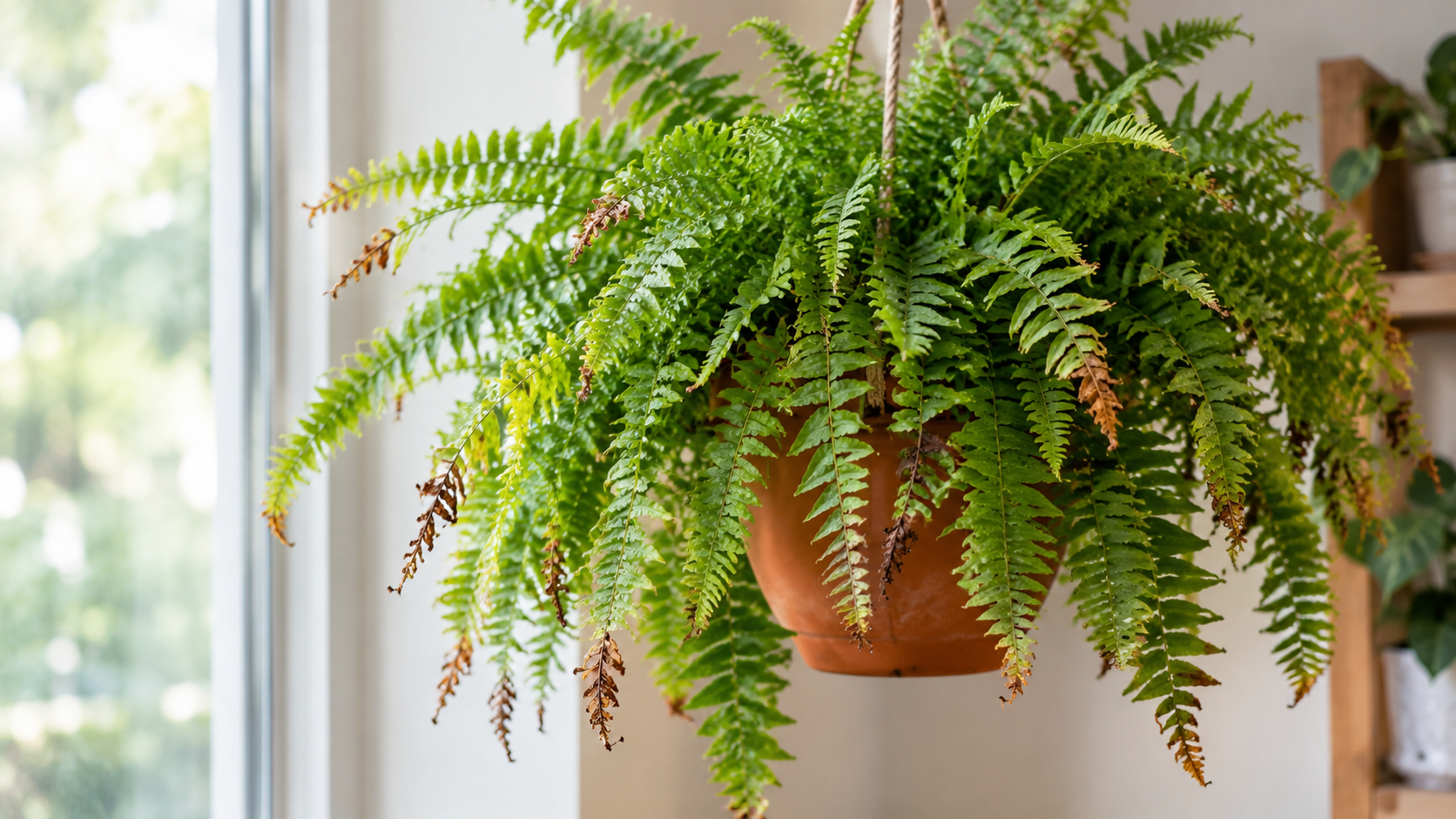
Fern with Dry Leaves: How to Adjust Your Home Care Routine

A fern with dry, brown leaves can be frustrating, especially when you water it regularly but its delicate fronds continue to lose their green color. The problem may be caused by dry indoor air, inconsistent watering, excessive sunlight, fertilizer buildup, or roots that are no longer functioning properly. Before changing your entire care routine, look … Read more

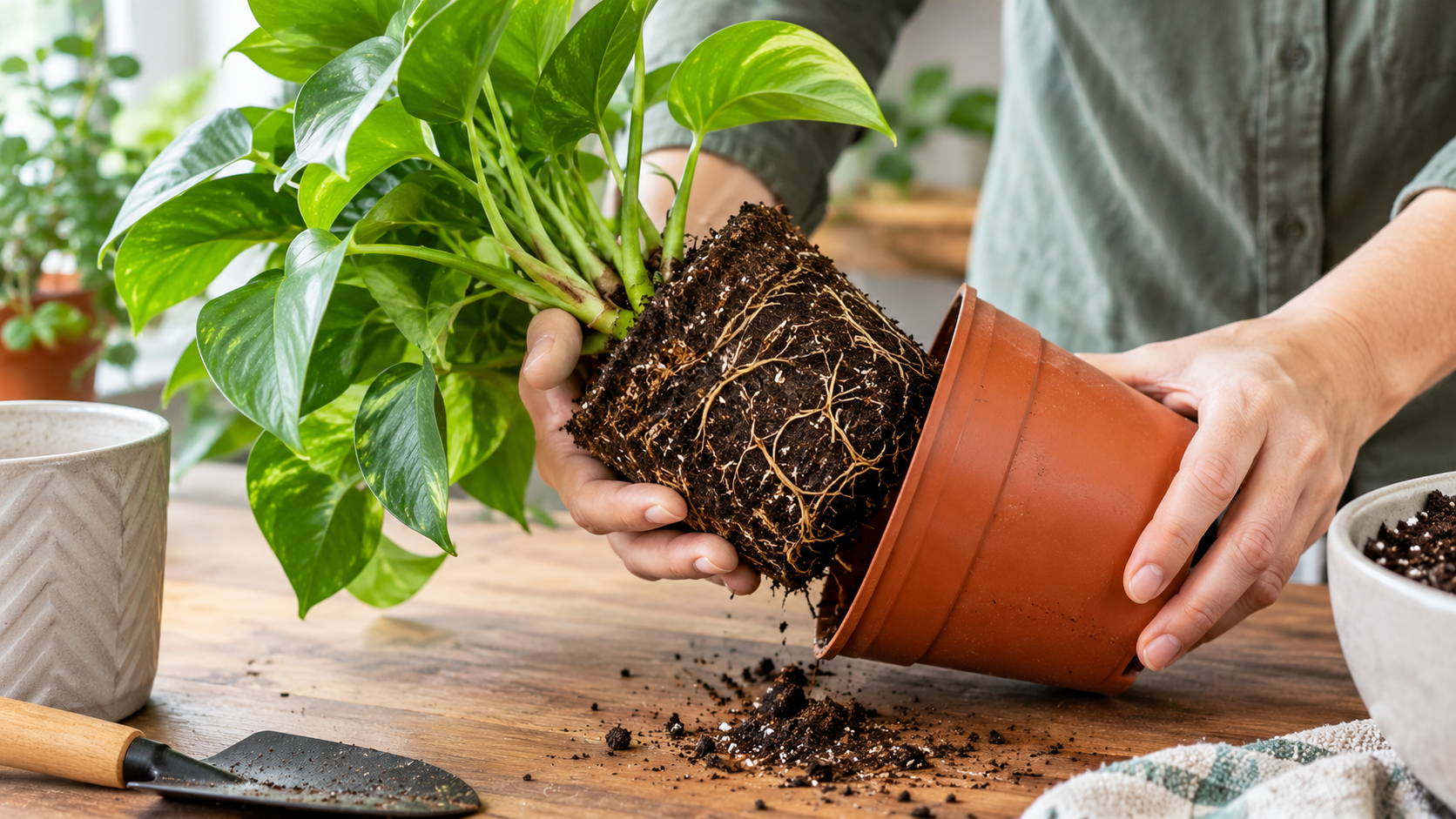
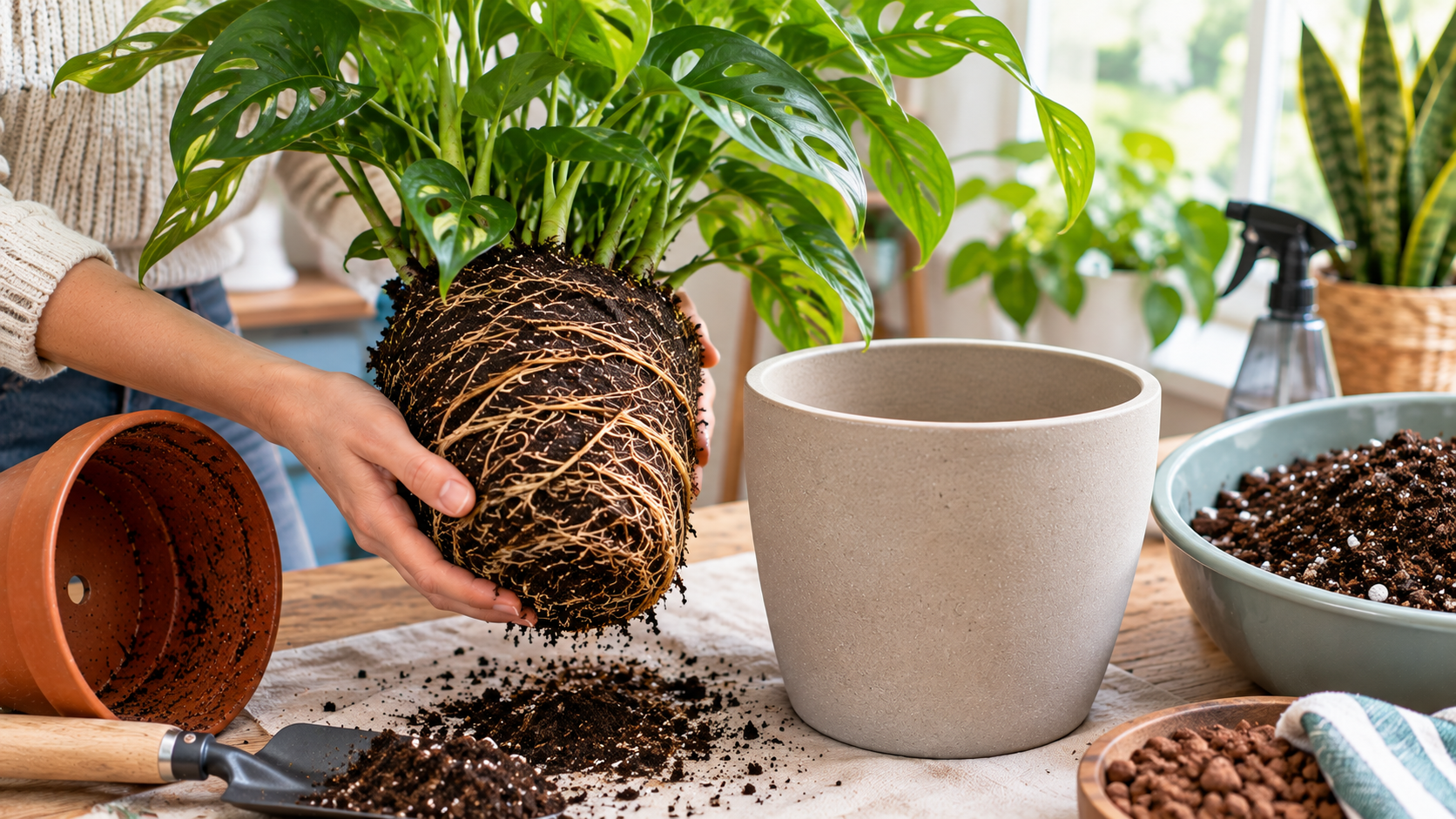
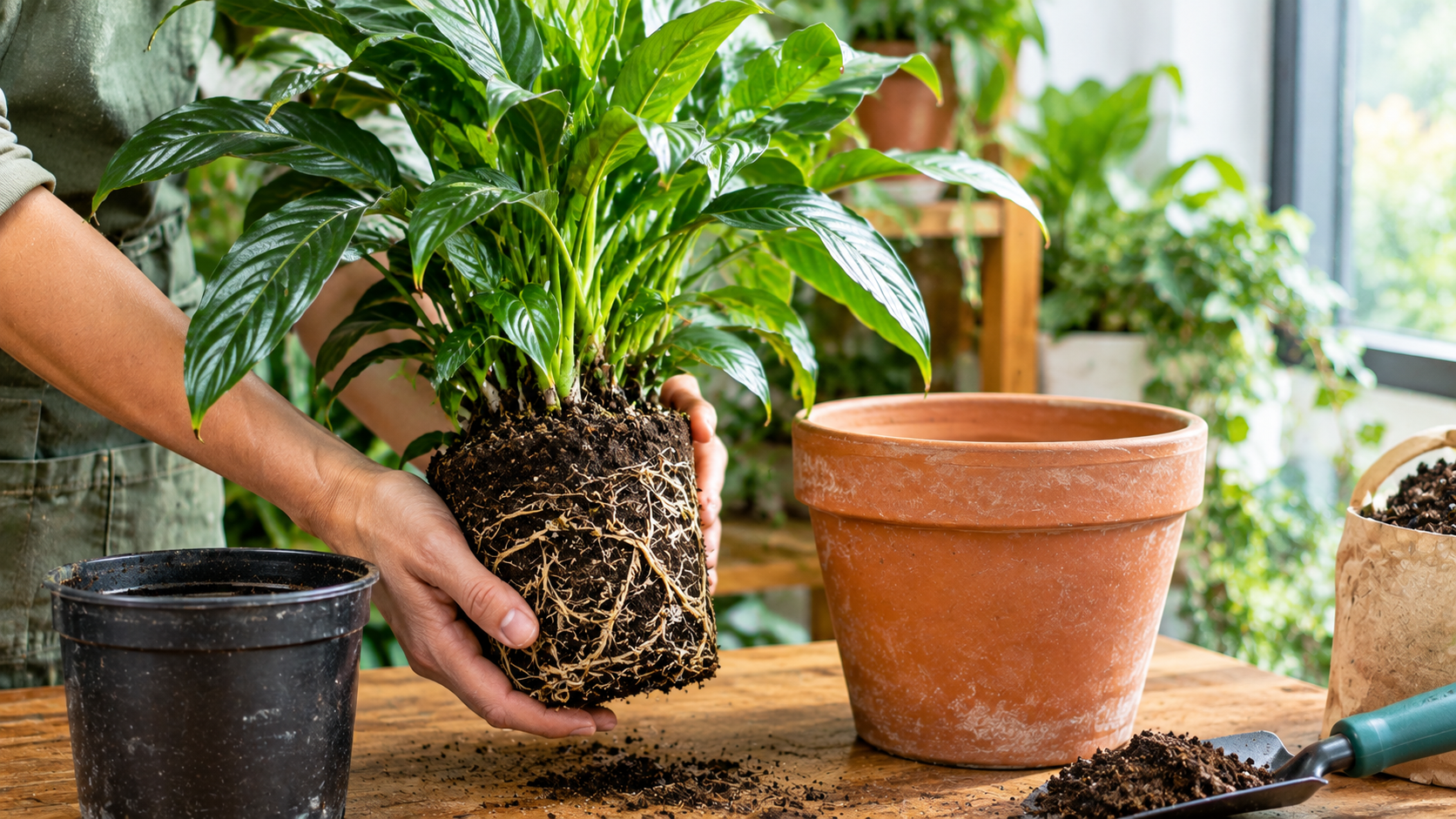
How to Remove a Plant from Its Pot Without Unnecessarily Damaging the Roots

Removing a plant from its pot can be stressful when the roots are tightly packed, the soil is dry, or the container is difficult to handle. Pulling too hard on the stem or forcing the root ball through a narrow opening can break delicate roots and damage the plant. Fortunately, most potted plants can be … Read more

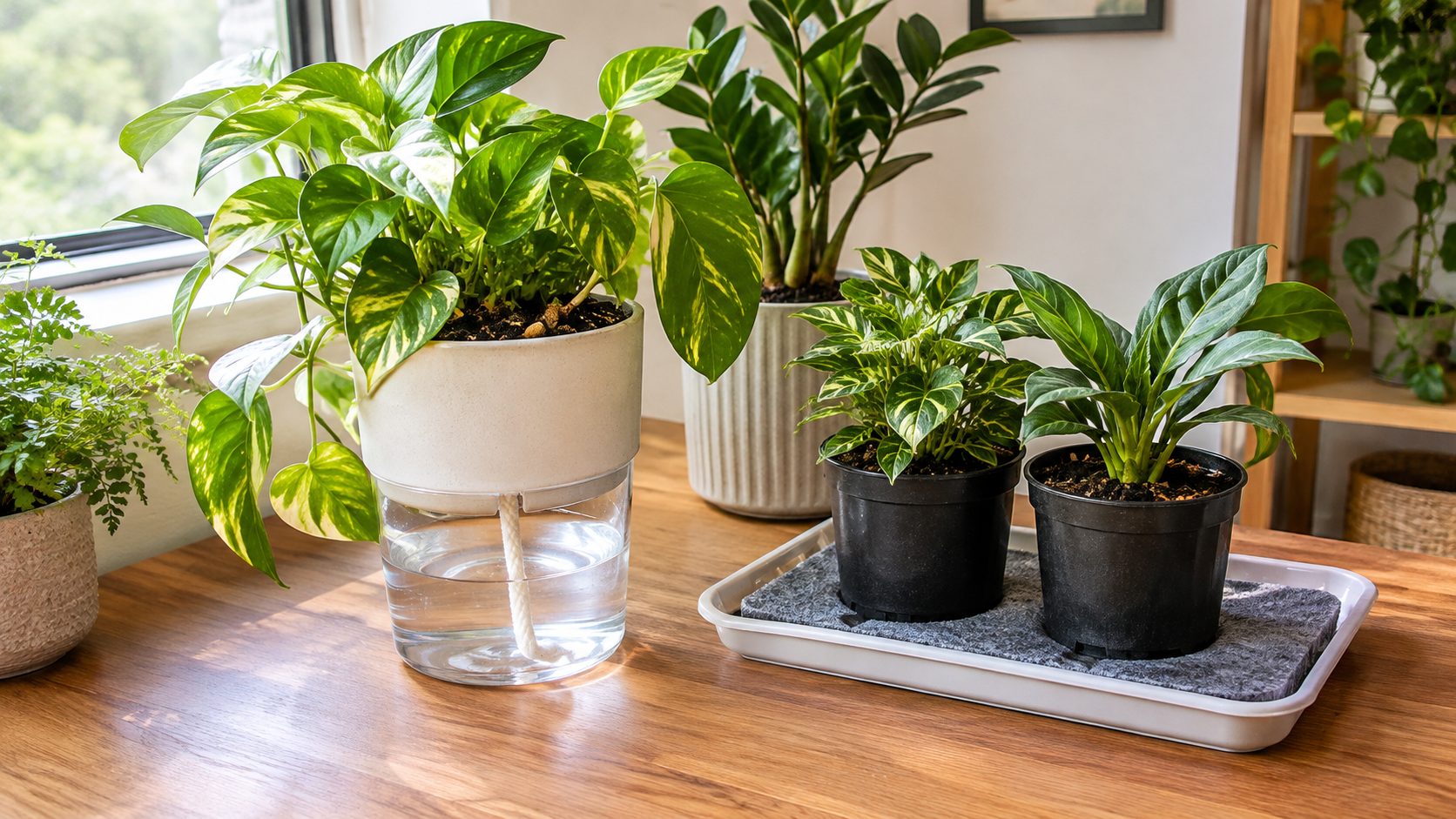
How to Care for Plants While Away for a Week Without Wasting Water

Leaving home for a week can raise an important question for plant lovers: how can you keep your plants healthy without leaving taps running, overwatering pots, or returning to dry, wilted leaves? The answer depends on the type of plant, the weather, the amount of sunlight it receives, and how quickly its soil loses moisture. … Read more

Why Are New Leaves Growing Small? Factors That May Be Limiting Plant Growth

When a houseplant produces new leaves that are noticeably smaller than its older foliage, it can be a sign that something in its growing environment has changed. The plant may be receiving less light, struggling with damaged roots, lacking available nutrients, or adjusting to a new location. In some cases, however, small leaves are simply … Read more

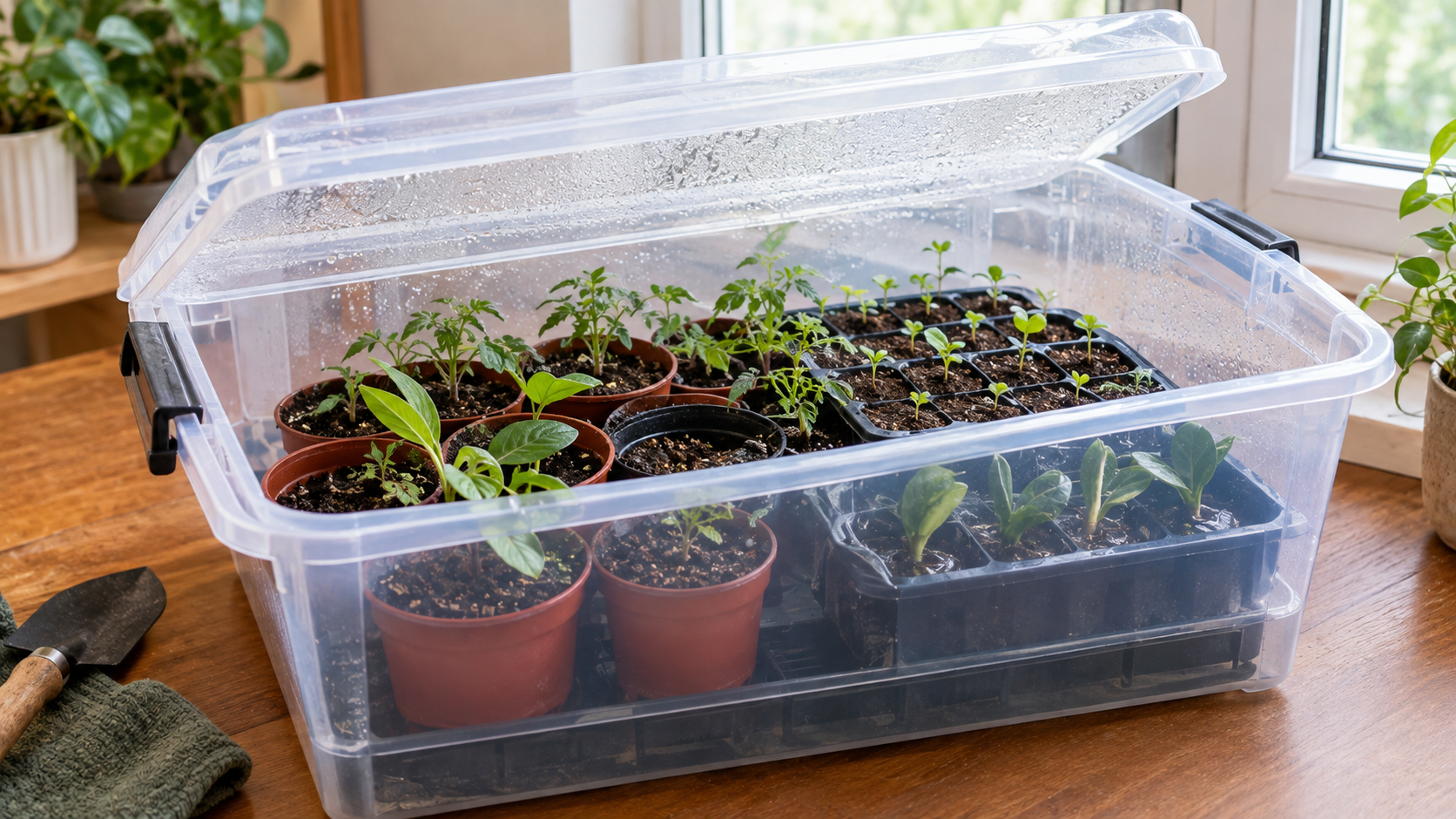
How to Make a Homemade Mini Greenhouse to Help Seedlings Maintain Moisture

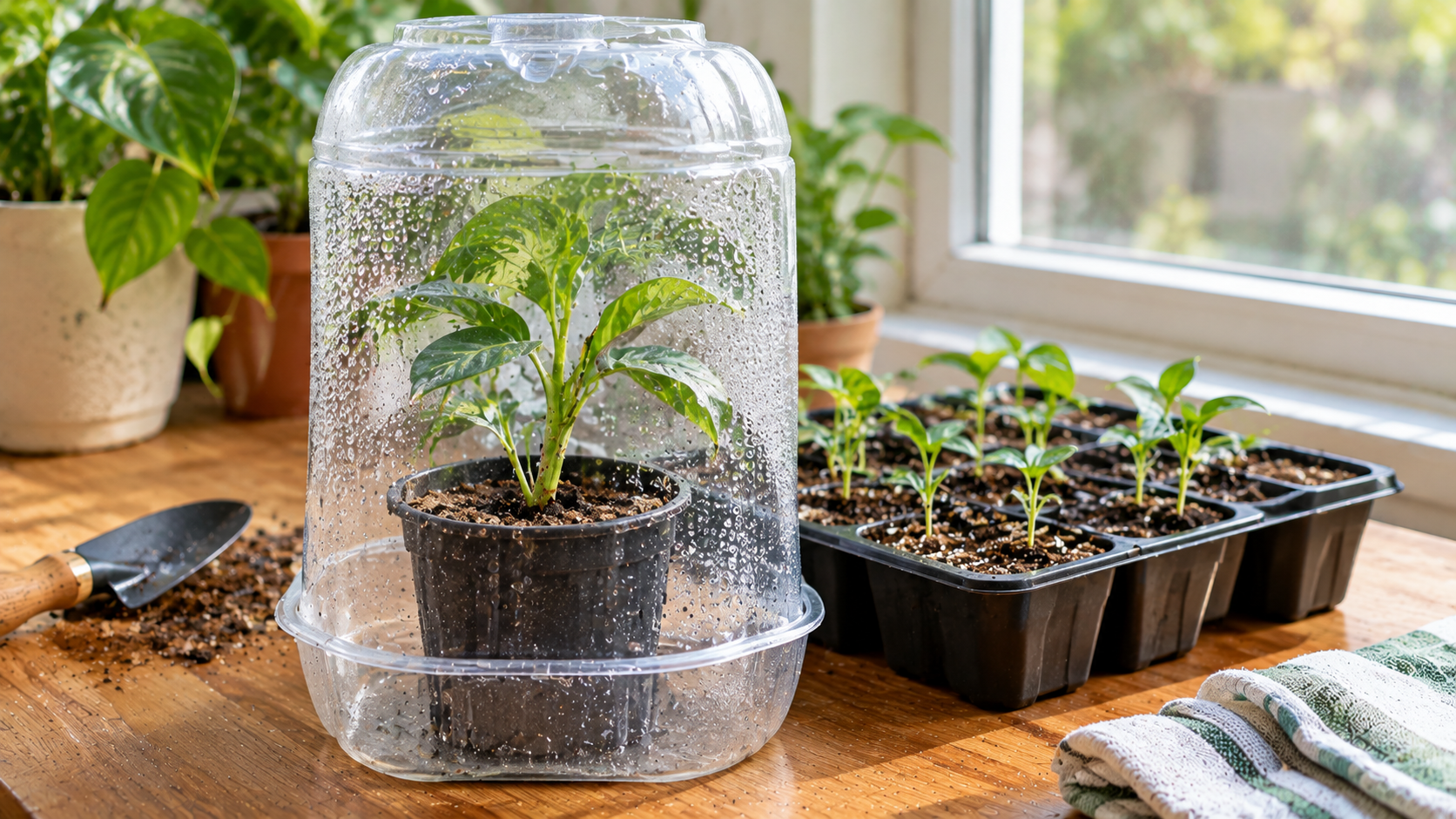
Starting seeds or propagating plant cuttings at home can be challenging when the air is dry or the potting mix loses moisture too quickly. A homemade mini greenhouse offers a simple solution: it creates a small, partially enclosed environment that helps reduce water loss and maintain more consistent humidity around developing plants. You do not … Read more

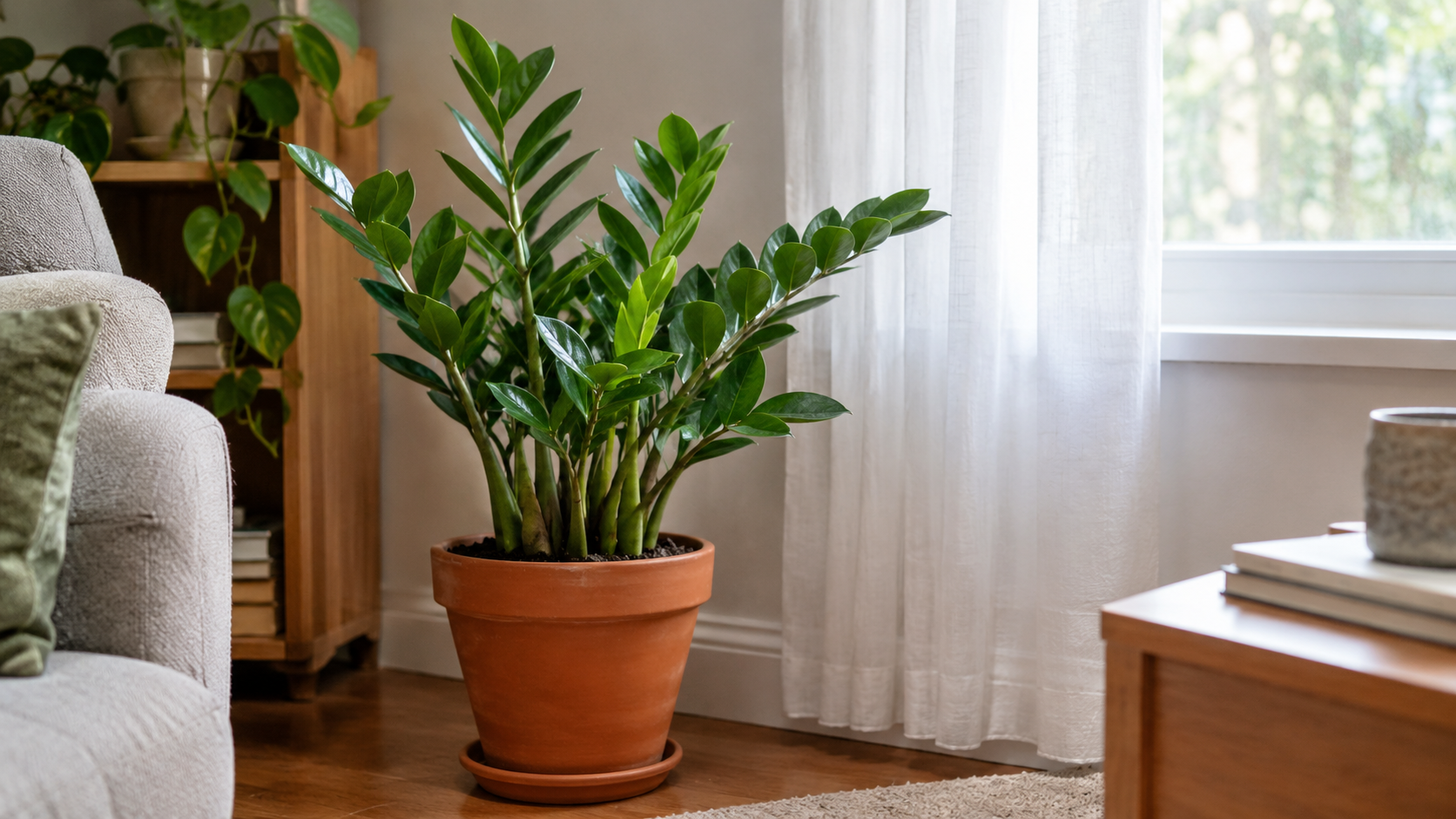
How to Care for a ZZ Plant in Low Natural Light

A room with small windows, a shaded corner, or an office far from direct sunlight can make growing houseplants challenging. Fortunately, the ZZ plant (Zamioculcas zamiifolia) is one of the most adaptable indoor plants for these conditions. Its glossy green leaves, upright growth, and water-storing underground rhizomes allow it to tolerate lower light levels and … Read more

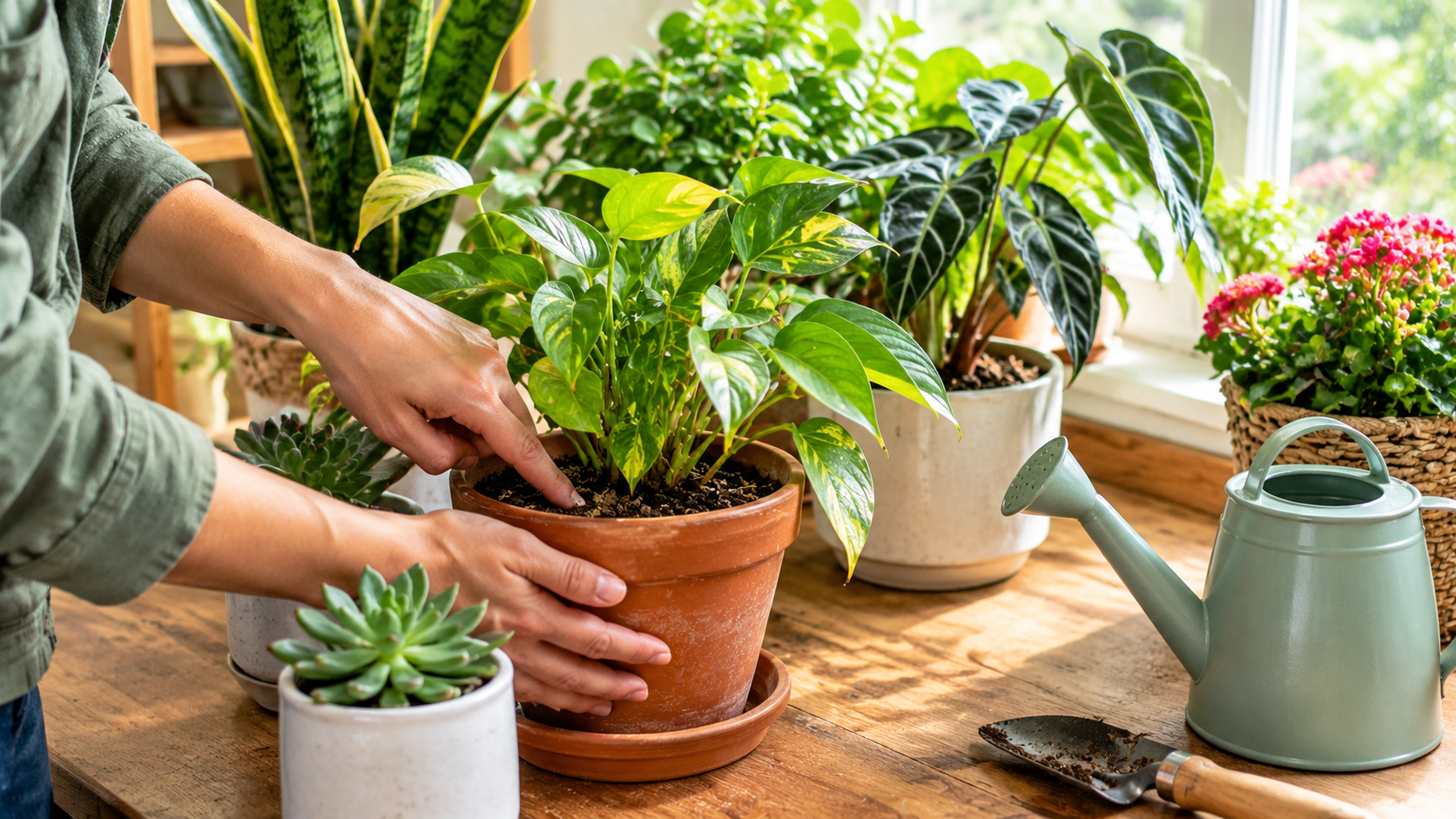
When to Repot a Plant: Signs to Watch for Before Transplanting

A plant can remain in the same pot for months or even years, but eventually its roots, growing medium, or overall growth may indicate that conditions need to change. Knowing when to repot a plant helps prevent root congestion, improves growing conditions, and gives the plant a better chance to develop healthy new leaves. However, … Read more

Morning Sun or Afternoon Sun: How to Choose the Best Spot for Each Plant

Choosing the right place for a plant can make the difference between healthy growth and a plant that struggles with yellowing leaves, weak stems, or scorched foliage. A balcony that receives gentle morning sunshine may be perfect for one species, while a hot afternoon patio may suit another much better. The key is understanding that … Read more

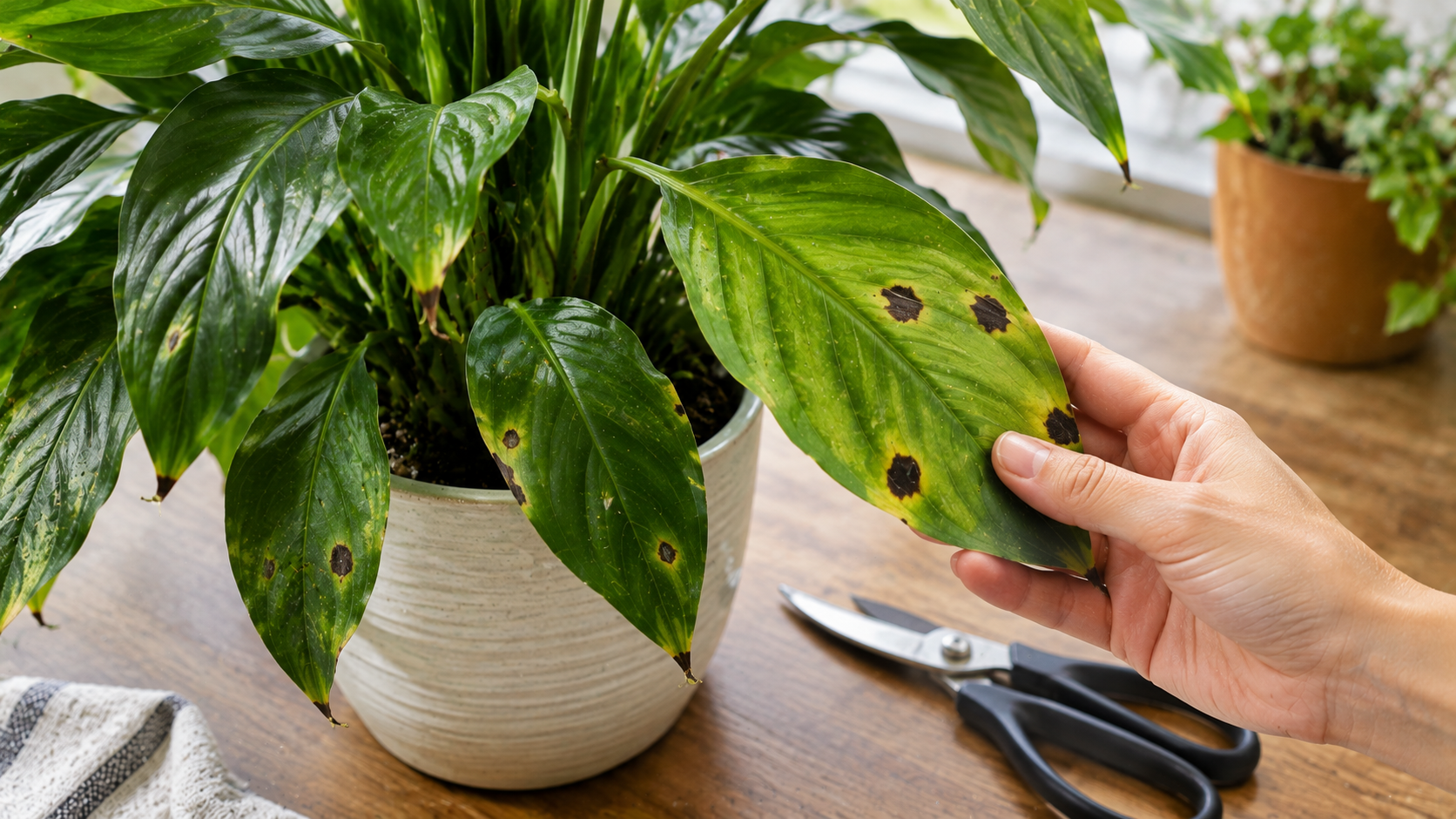
Dark Spots on Plant Leaves: How to Recognize the Signs and Prevent the Problem from Spreading

n be worrying, especially when they begin to appear on several leaves within a short period. A small brown mark might result from sunburn, irregular watering, physical damage, or a developing leaf disease. Because these problems can look similar at first, the most useful step is to observe the pattern of the spots before changing … Read more

How to Build a Mini Greenhouse at Home to Help Certain Seedlings Maintain Humidity

Some seeds and plant cuttings dry out quickly when exposed to ordinary indoor air. A newly rooted cutting may not yet have enough roots to replace the moisture lost through its leaves, while certain seeds need consistent moisture to germinate. A simple homemade mini greenhouse can help by trapping humidity around the plant and reducing … Read more

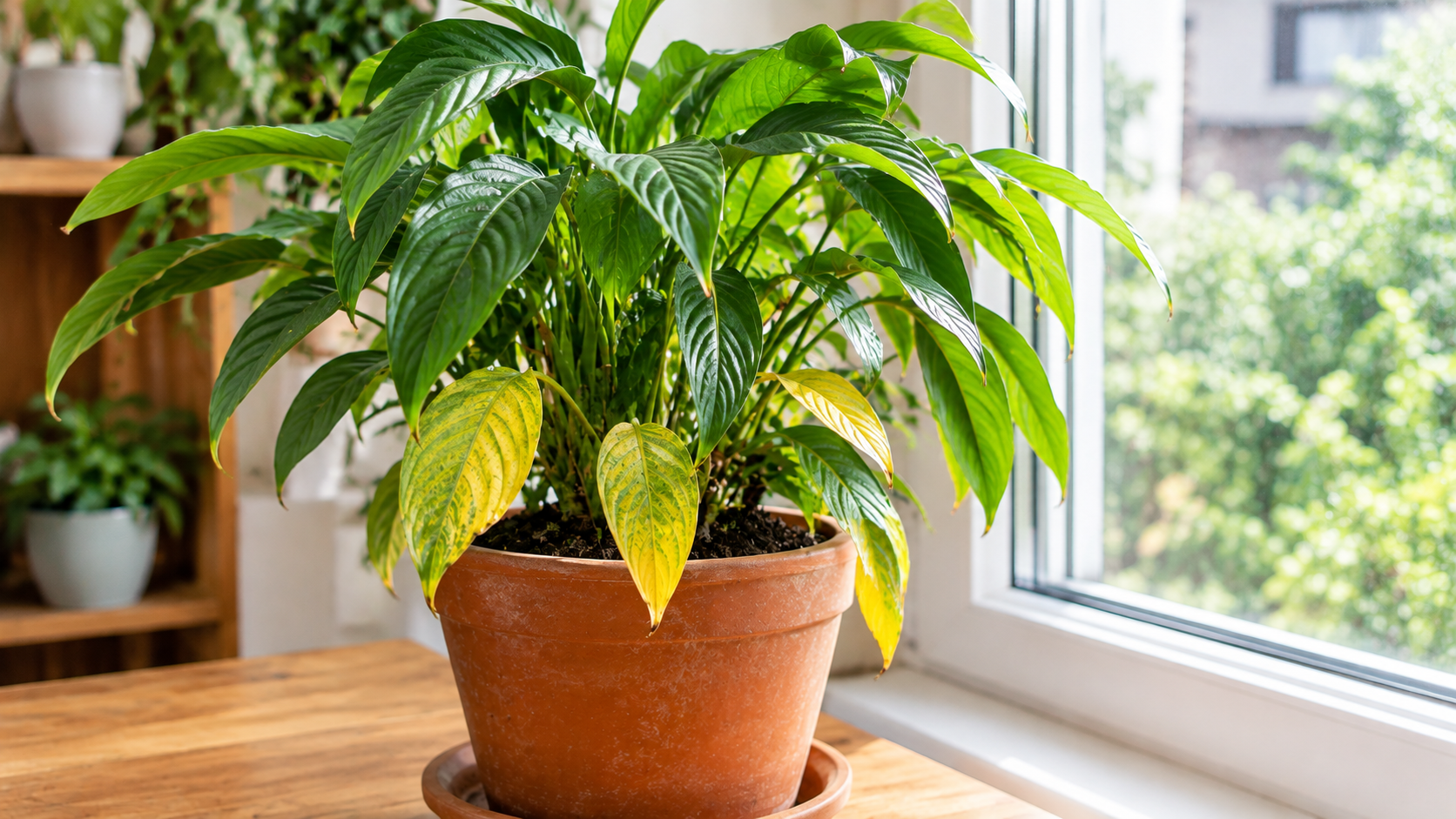
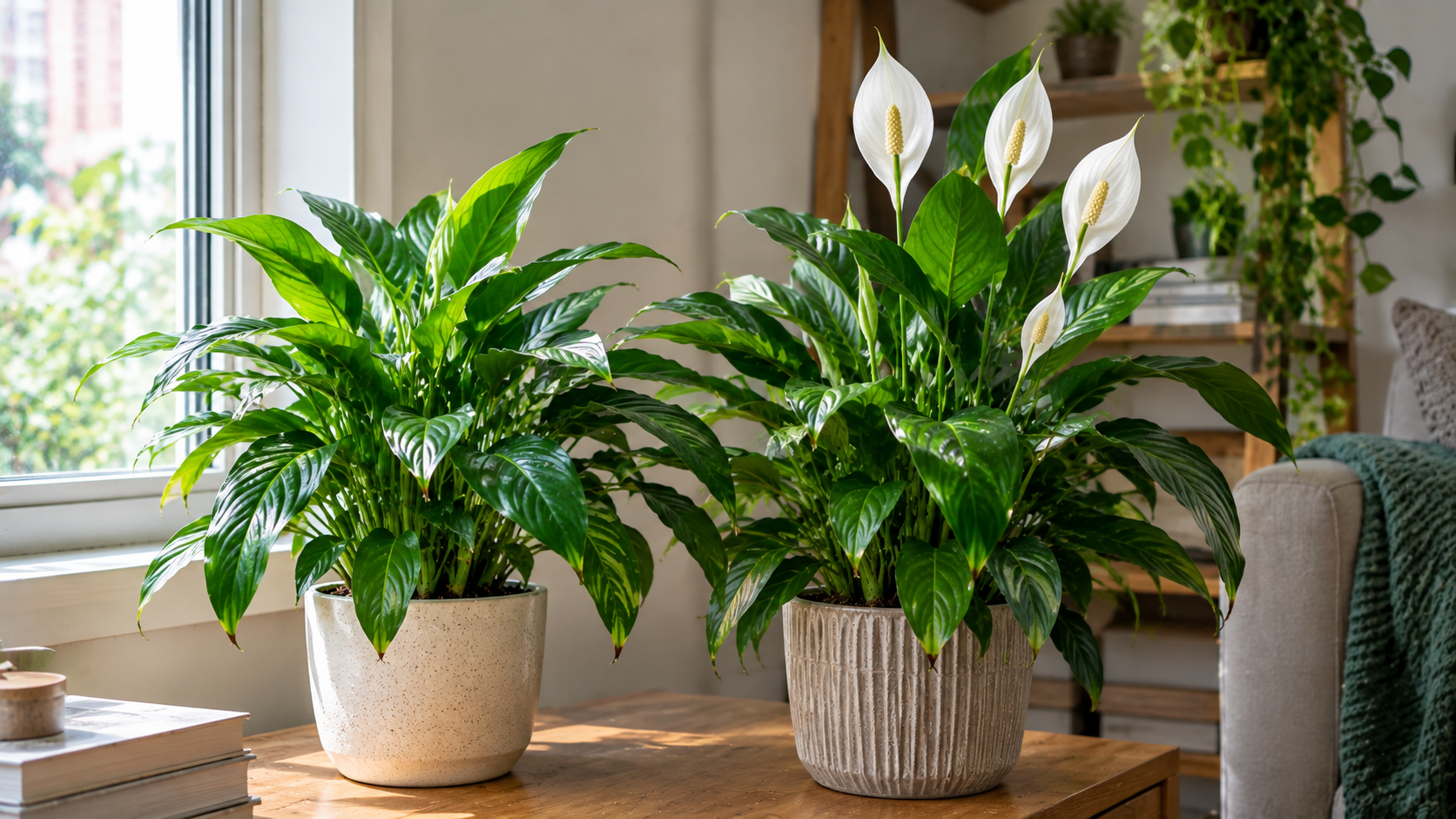
Peace Lily Not Flowering: How to Assess the Conditions That Encourage Blooms

A peace lily can produce glossy green leaves for months or even years without developing its familiar white blooms. This can be confusing, especially when the plant looks healthy and receives regular watering. However, healthy foliage does not automatically mean that a peace lily has enough light, maturity, or suitable growing conditions to flower. The … Read more

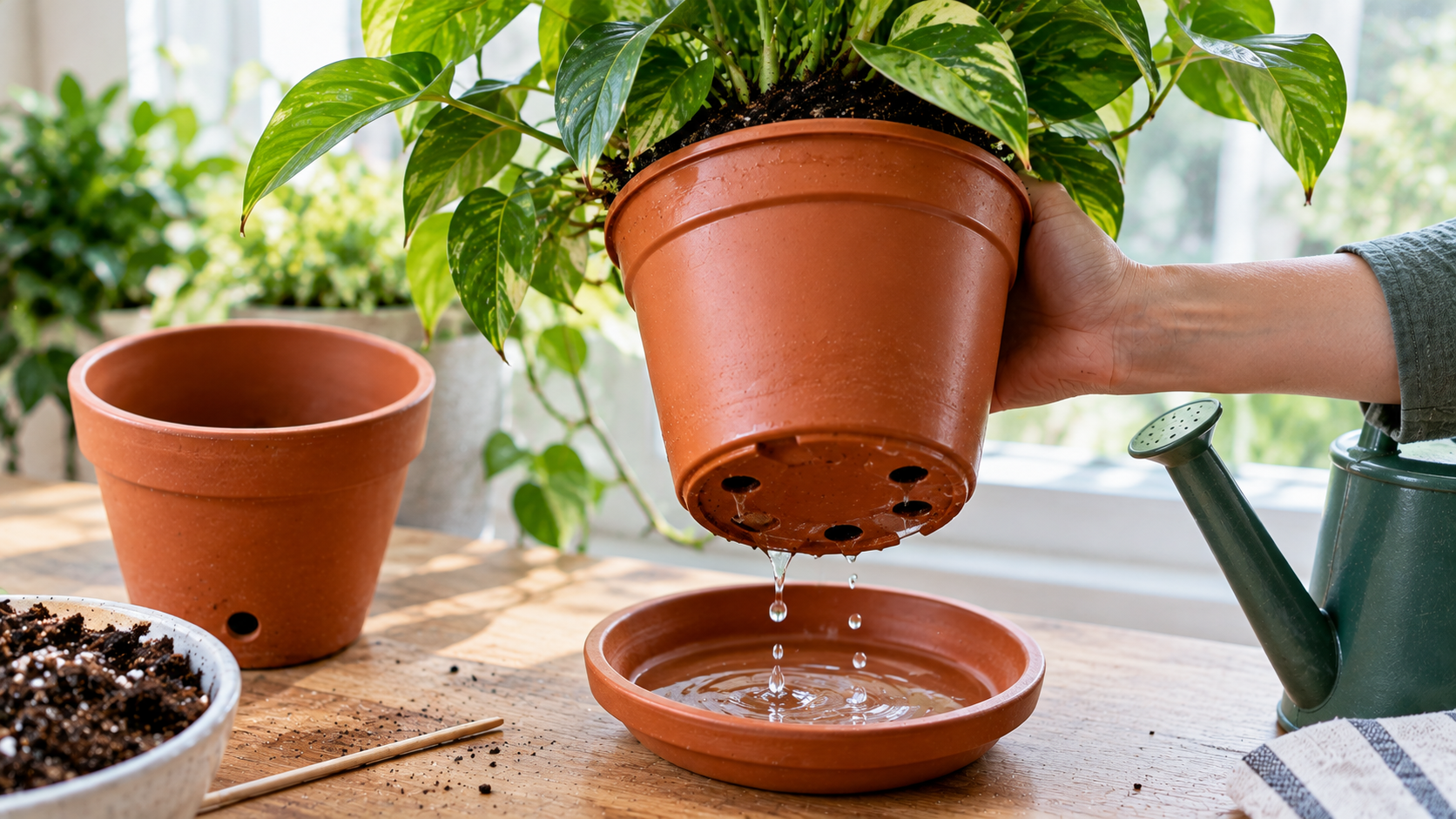
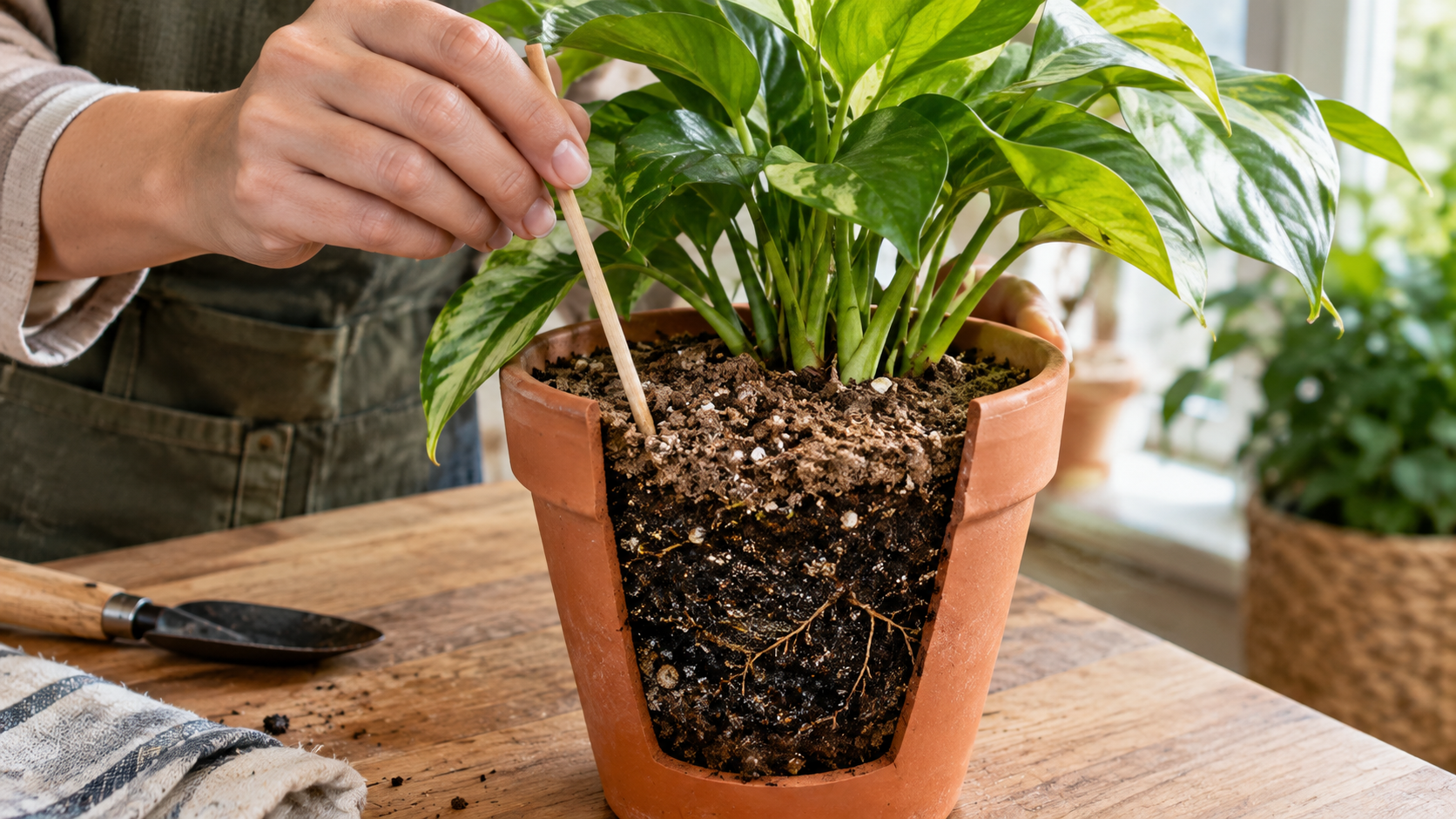
Drainage Holes in Plant Pots: Why They Matter and How to Check If They Work

A plant pot can look attractive, contain fresh potting mix, and hold a healthy-looking plant while still having a hidden problem: water that cannot escape. When excess water remains trapped around the roots, the growing medium may become waterlogged, leaving too little air for roots to function properly. Drainage holes help prevent this problem by … Read more

How to Arrange Potted Plants in a Home With Little Natural Light

A home with small windows, shaded rooms, or buildings blocking the sunlight can still accommodate beautiful indoor plants. The challenge is deciding which plants belong near the windows, which can tolerate dimmer corners, and how to arrange pots so that every plant receives enough light to remain healthy. The key is to organize your plants … Read more

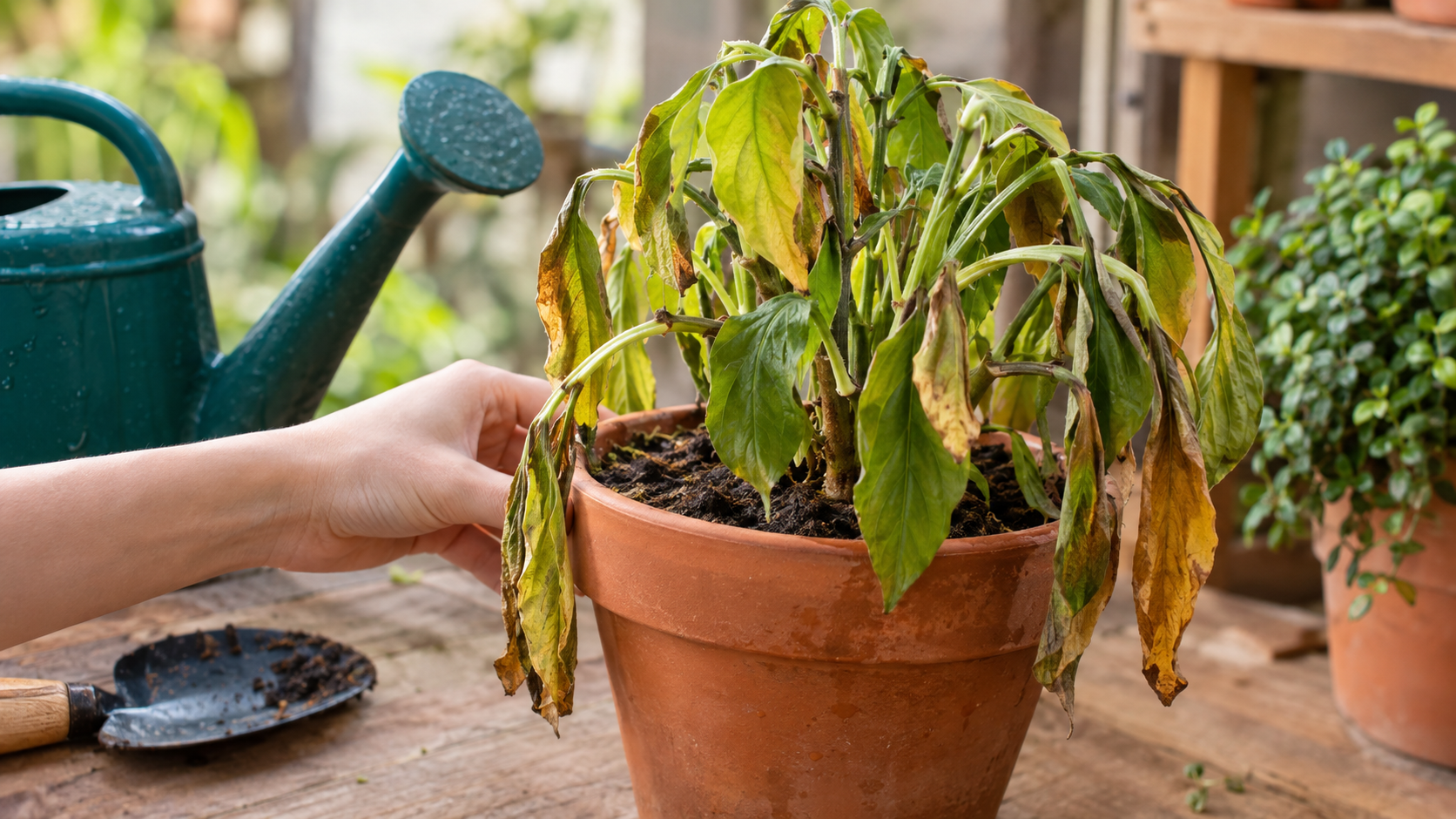
How to Save a Plant That Has Been Sitting in Waterlogged Soil for Too Long

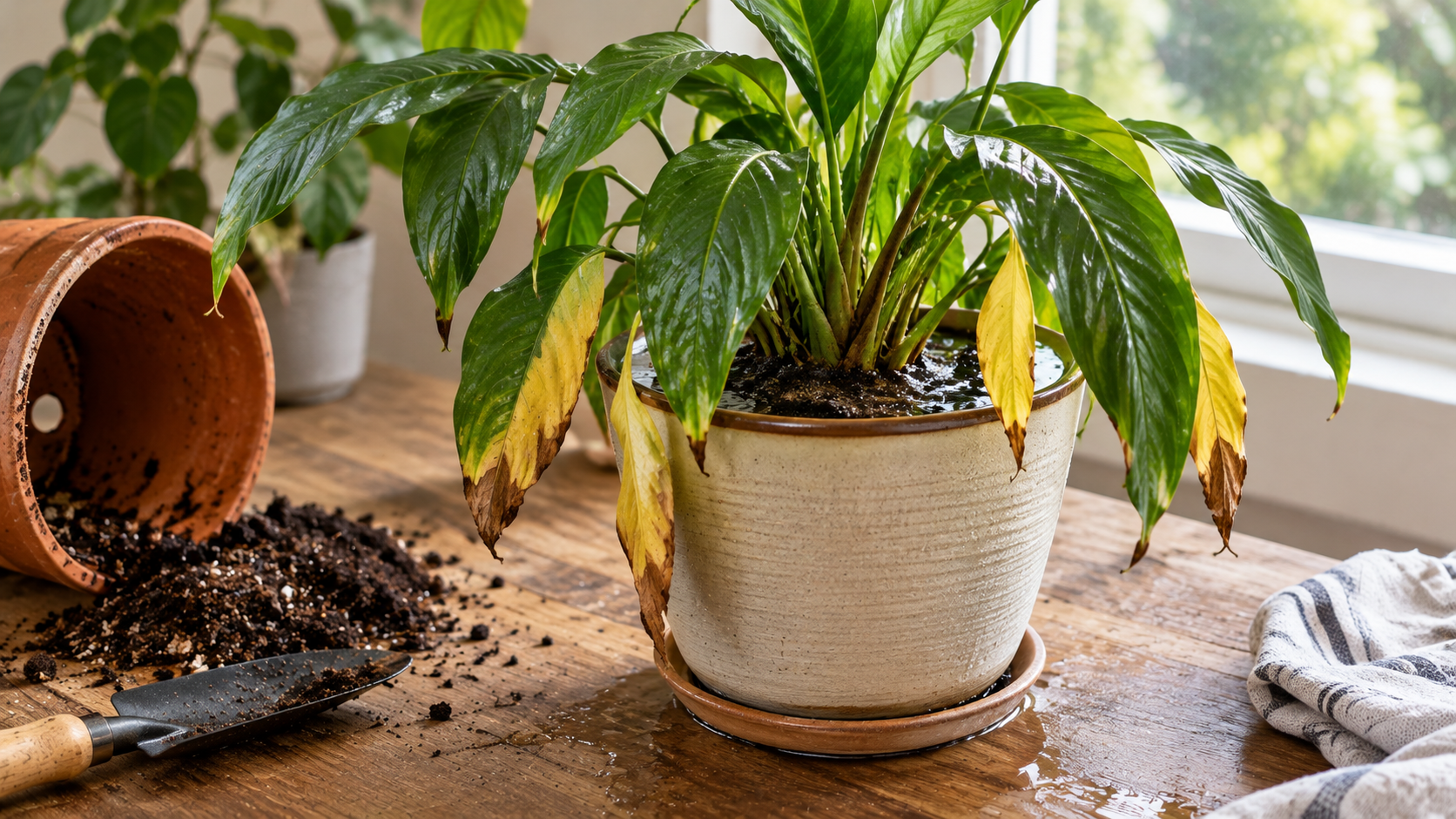
A plant that has spent several days in soggy soil may start showing yellow leaves, drooping stems, or a generally unhealthy appearance. You might assume it needs more water because it looks wilted, but adding more moisture can make the problem worse. When soil remains saturated for too long, the roots may not receive enough … Read more

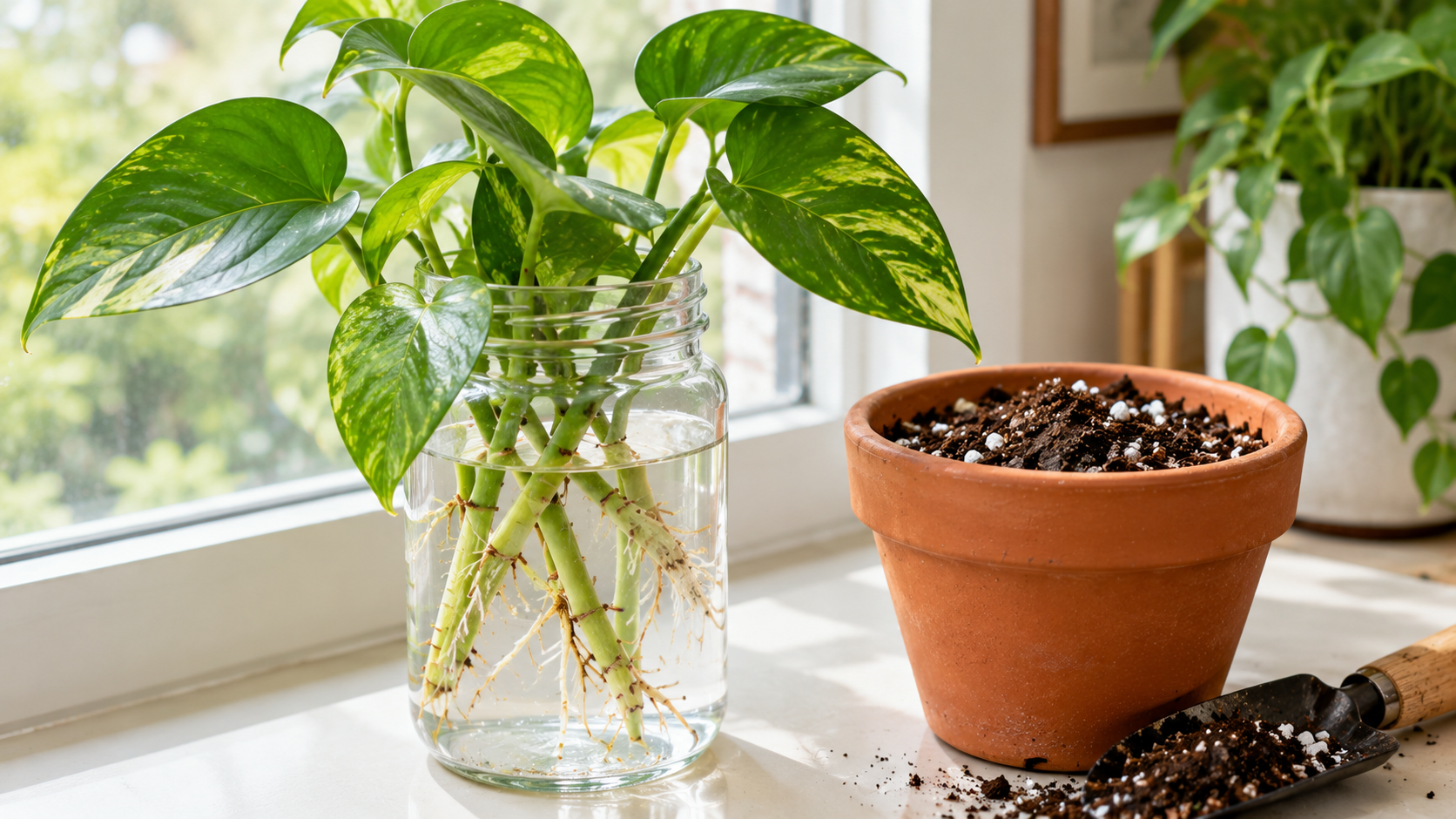
Why Some Plant Cuttings Develop Roots but No New Leaves

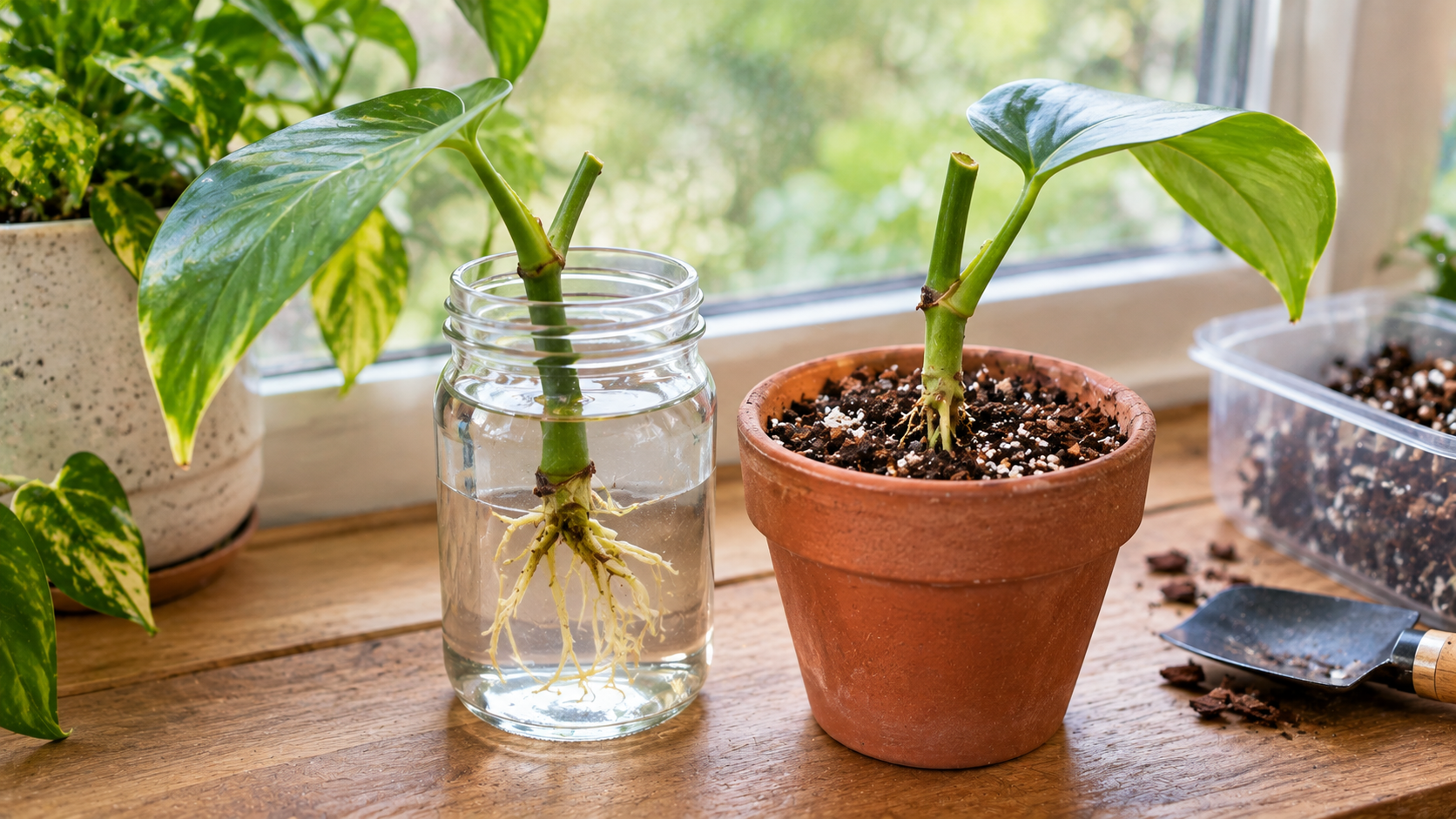
You place a plant cutting in water or potting mix, wait patiently, and eventually notice healthy-looking roots. Yet weeks later, there are still no new leaves. The cutting seems alive, but it does not appear to be turning into a new plant. This situation is common in home propagation, and it does not always mean … Read more

Saint George’s Sword: How to Avoid the Most Common Watering Mistakes When Growing It in a Pot

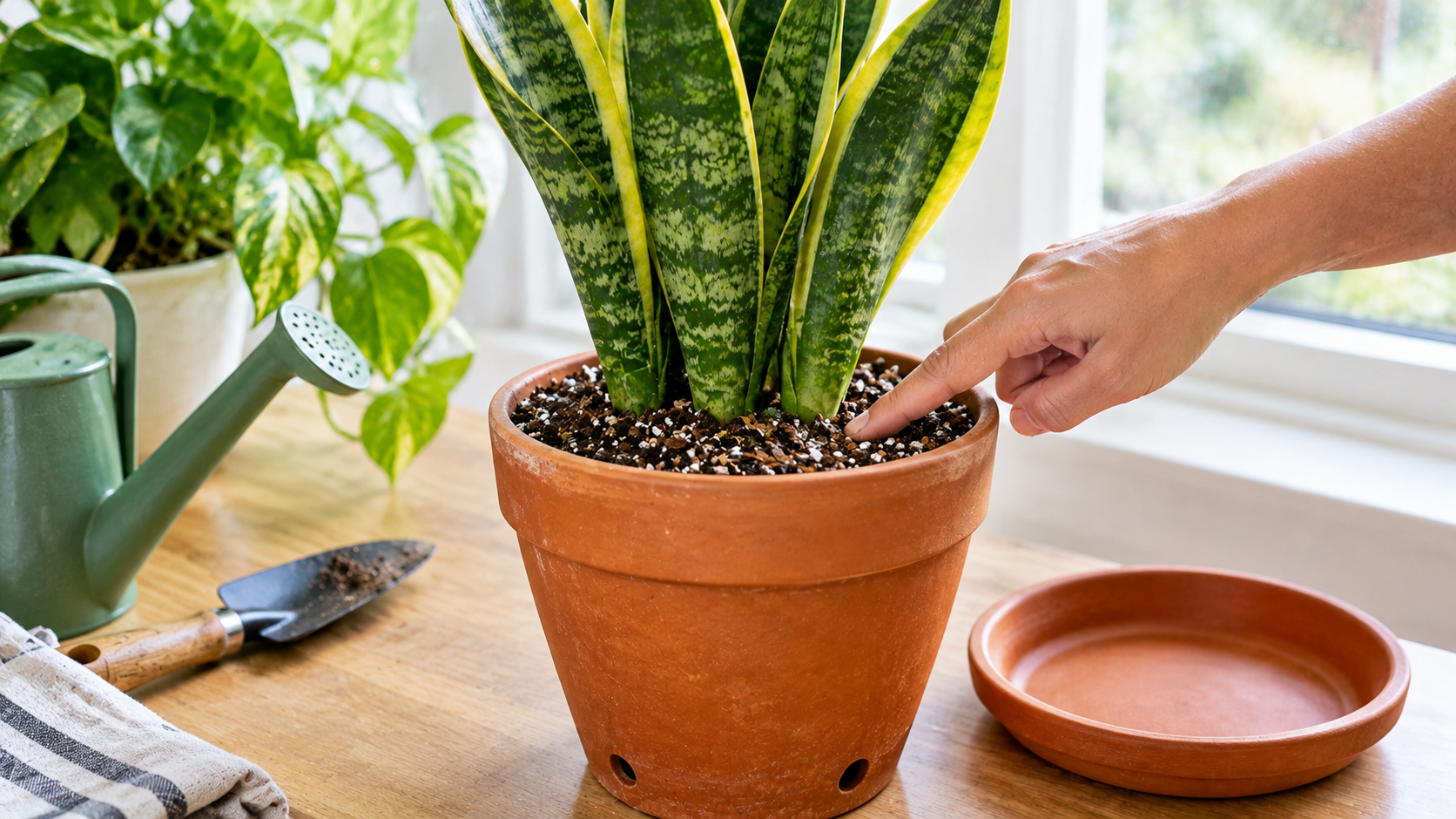
Saint George’s sword, also known as the snake plant (Dracaena trifasciata, formerly Sansevieria trifasciata), is popular for its upright leaves, adaptability, and relatively simple care requirements. However, one mistake can undermine all these advantages: watering too frequently or without checking whether the soil is ready for more moisture. If your plant has yellowing leaves, soft … Read more

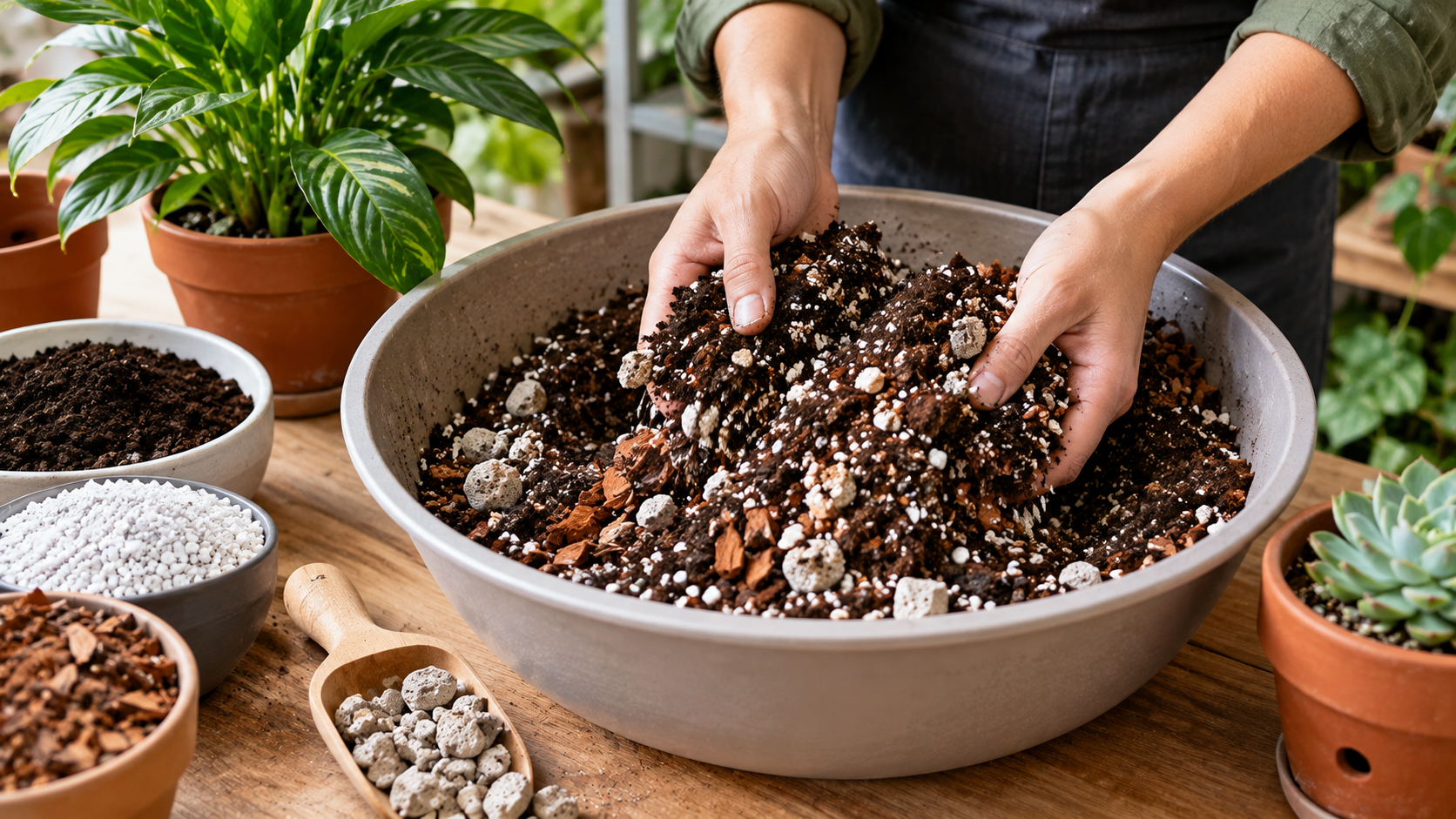
How to Make a Lightweight Potting Mix for Plants That Dislike Waterlogged Soil

If your houseplants frequently develop yellow leaves, wilt despite regular watering, or sit in damp soil for days, the problem may be related to the potting mix. Some growing media retain too much water, leaving roots with insufficient oxygen and increasing the risk of root damage. Preparing a lightweight potting mix can help create a … Read more

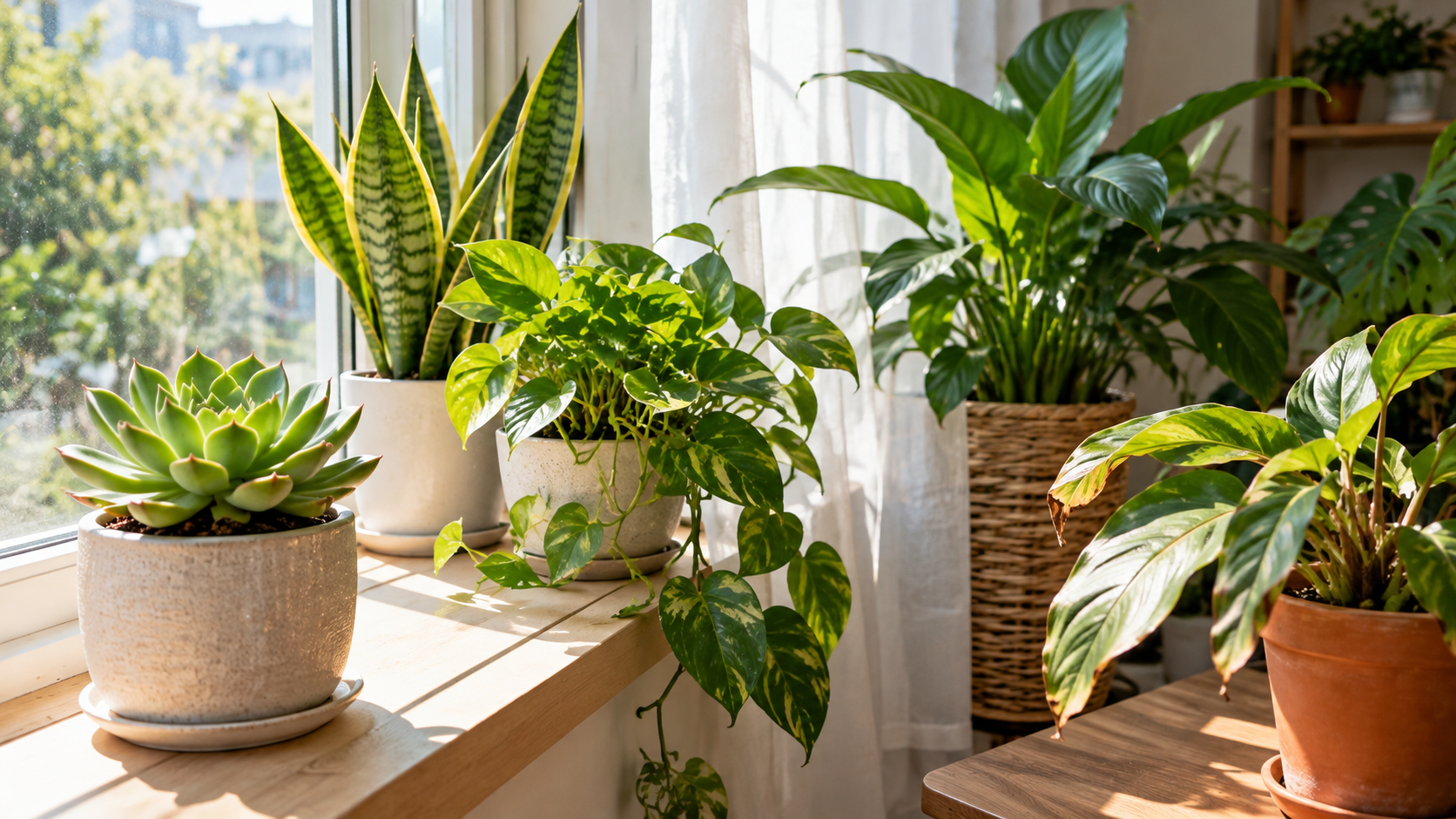
Plants Near a Window: How to Use Natural Light Without Burning the Leaves

Placing houseplants near a window is one of the easiest ways to provide natural light indoors. However, a spot that looks bright and comfortable to you may expose certain plants to more direct sunlight than they can tolerate. Leaves can develop pale patches, dry brown edges, or scorched areas, especially after a plant is moved … Read more

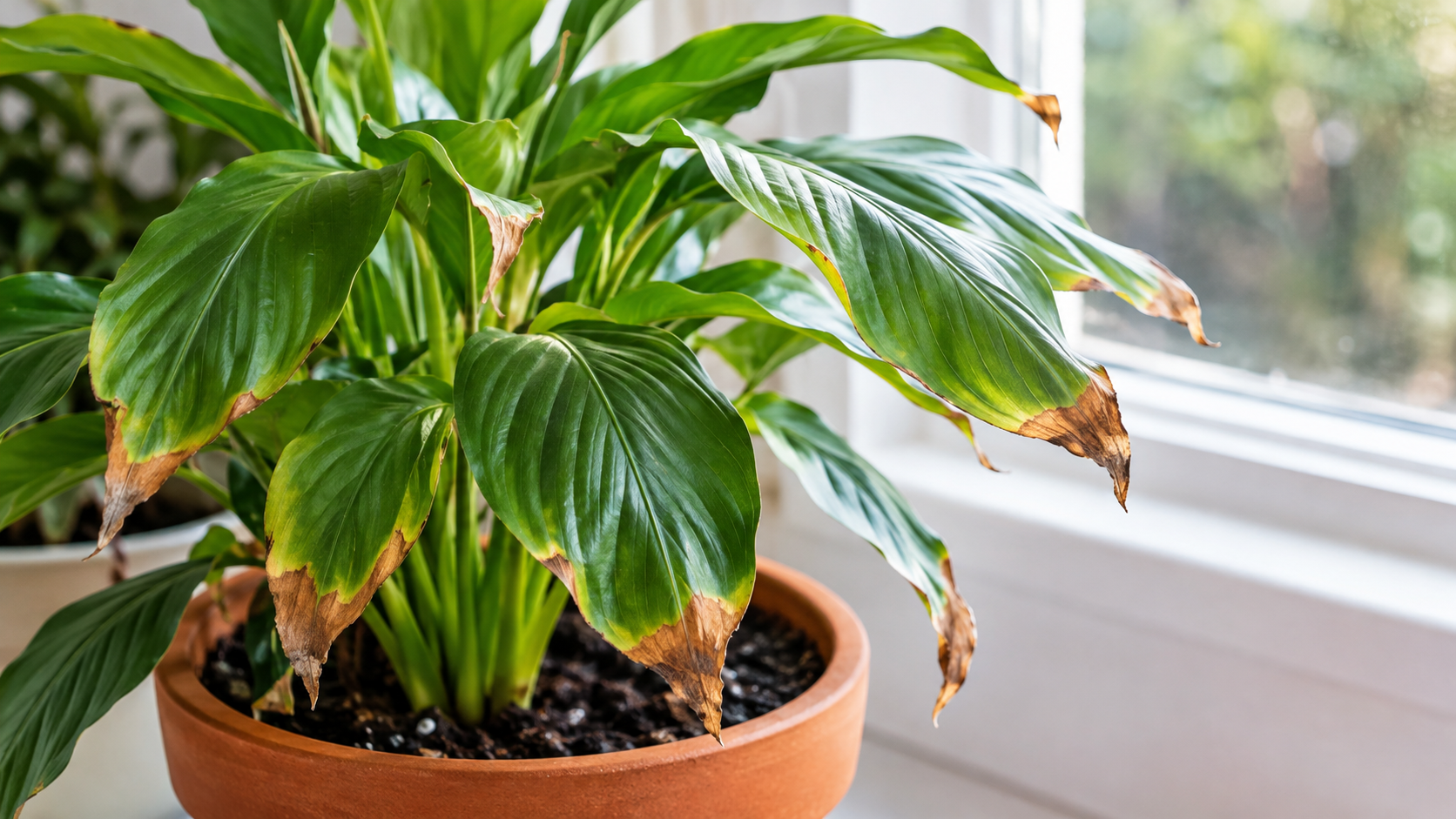
Brown Leaf Tips: How to Tell Whether the Problem Is Water, Environment, or Fertilizer

Brown tips on houseplant leaves can be frustrating, especially when the rest of the plant looks healthy. You may notice the edges becoming dry and crispy, the tips turning dark, or the damage gradually spreading across several leaves. Even when you follow a regular watering schedule, the problem can continue. The challenge is that brown … Read more

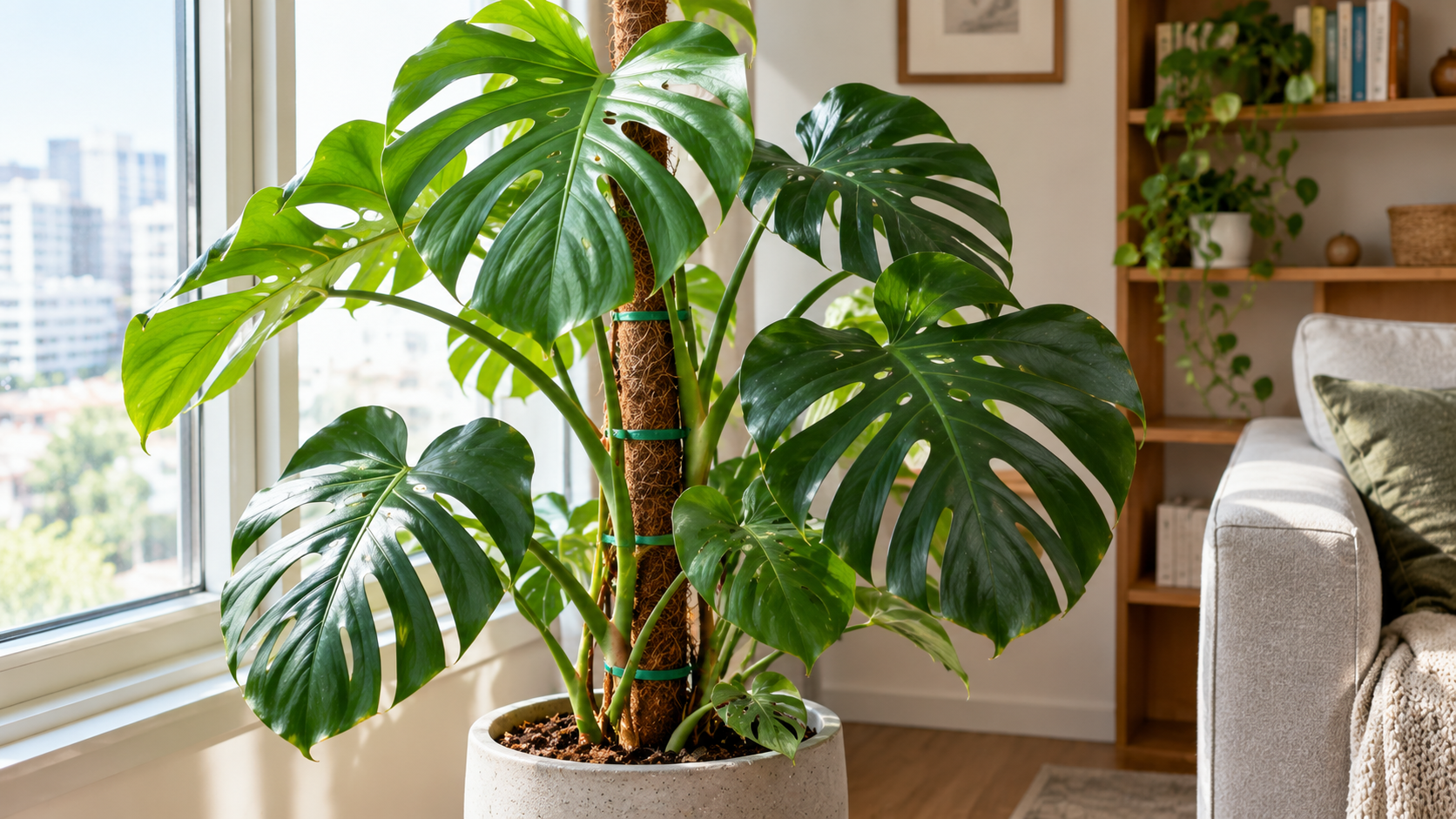
Monstera Deliciosa in an Apartment: How to Choose the Right Spot and Guide Its Growth

A Monstera deliciosa can transform an apartment corner into a lush, tropical-looking space, but its large leaves and climbing stems need more than an attractive pot. If the plant leans toward a window, develops long gaps between leaves, or begins to occupy more floor space than expected, its location and support may need adjusting. The … Read more

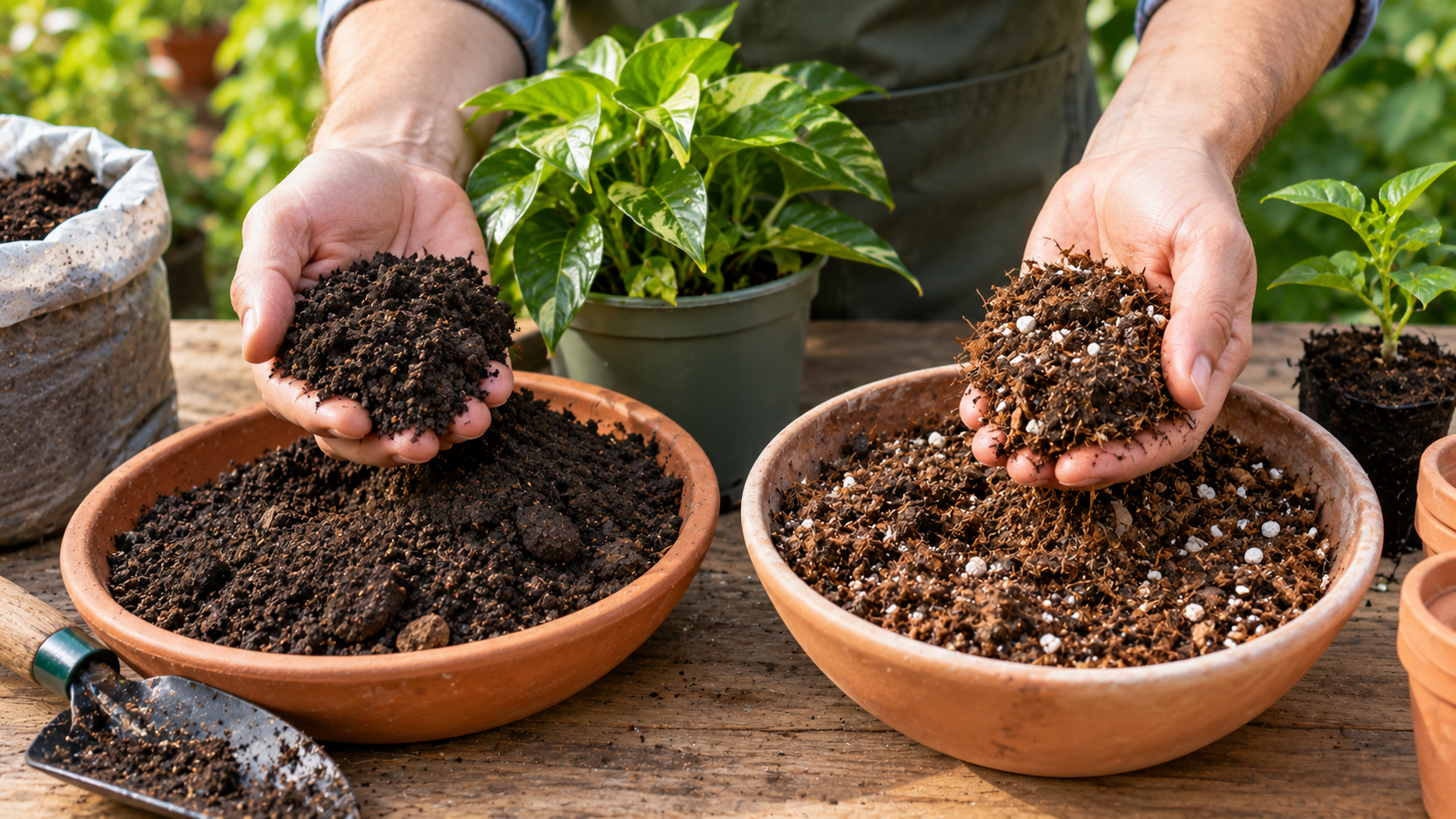
The Main Differences Between Garden Soil and Potting Mix

Although the products may look alike in a bag, their physical properties make them behave differently once watered and planted. Feature Garden soil Potting mix Main purpose In-ground planting and improving garden beds Growing plants in pots and containers Weight Usually heavier Usually lighter Drainage in a container May be slow or uneven Formulated to … Read more

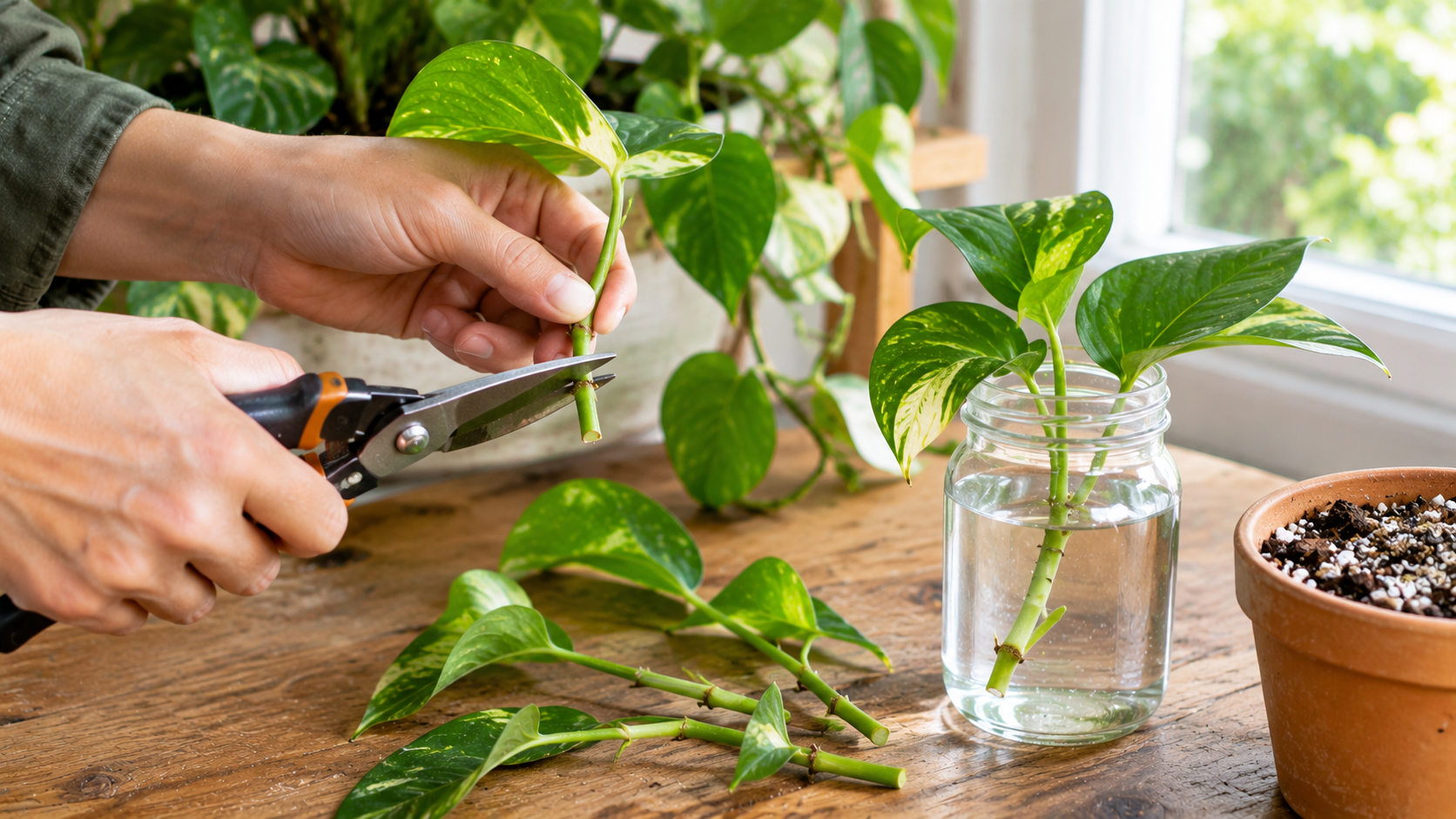
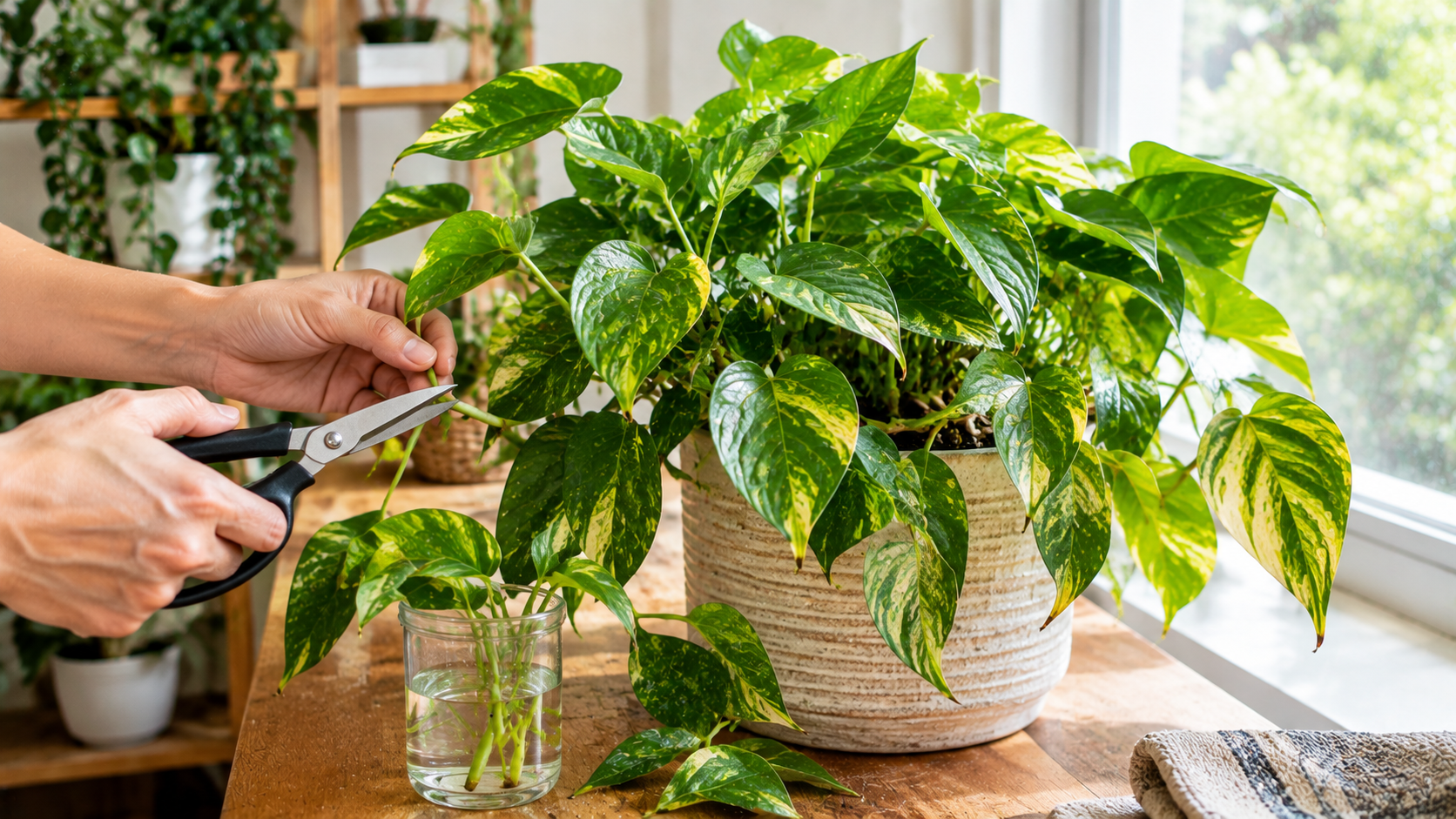
How to Propagate Plants from Cuttings and Identify Exactly Where to Cut

Making new plants from cuttings is one of the most practical ways to expand a home garden without buying a new plant each time. You can often turn a healthy stem into a new plant by choosing the right section, making a clean cut, and providing suitable conditions for root development. The tricky part is … Read more

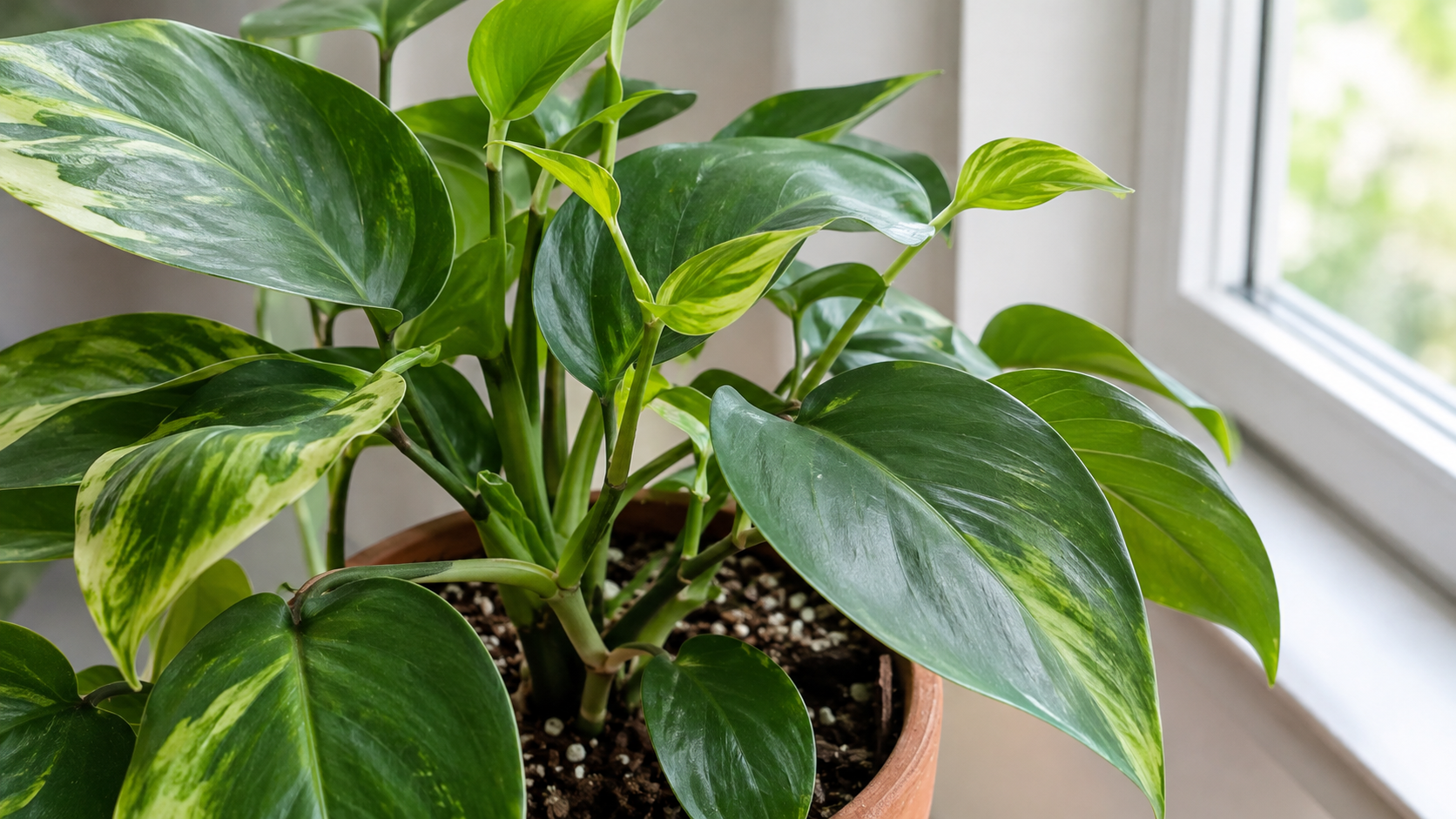
How to Care for a Pothos Plant Indoors and Encourage Fuller, Bushier Growth A pothos plant can produce long, attractive vines yet still look sparse, with large gaps between leaves and a few stems hanging over the edge of the pot. If you want a fuller plant that looks lush from several angles, the solution … Read more
How to Create a Watering Routine Without Depending on a Fixed Calendar

Watering houseplants every Monday or giving every pot a drink on the weekend may seem like a convenient way to stay organized. However, a routine that works for one plant can leave another thirsty or waterlogged. Soil dries at different rates depending on the plant, pot size, sunlight, temperature, humidity, and growing medium. The solution … Read more
Yellow Leaves on Plants: How to Identify the Cause Before Making Any Changes
Yellow leaves can be frustrating, especially when a plant has been growing well for months and suddenly begins to look unhealthy. You might notice a few pale leaves near the bottom, yellow patches between the veins, or foliage that turns yellow and falls off within a short period. Before changing your watering routine, adding fertilizer, … Read more